Budgets are real. So are deadlines, brand standards, and the pressure to prove ROI. The good news: you can absolutely get high-end event photography and professional headshots in St. Louis without overspending—if you plan the right way and hire a crew that knows how to produce efficiently.
As a videographer, photographer, and producer at St Louis Business Portraits, I’ve seen what makes “economical” succeed (and what makes it fail). The difference isn’t camera models or trendy lighting. It’s production design: how you structure the day, how you control variables, and how you deliver assets that get reused across channels instead of living once and dying in a folder.
Below is a practical, decision-maker guide to doing it right.
What “Economical” Actually Means in Event Photography
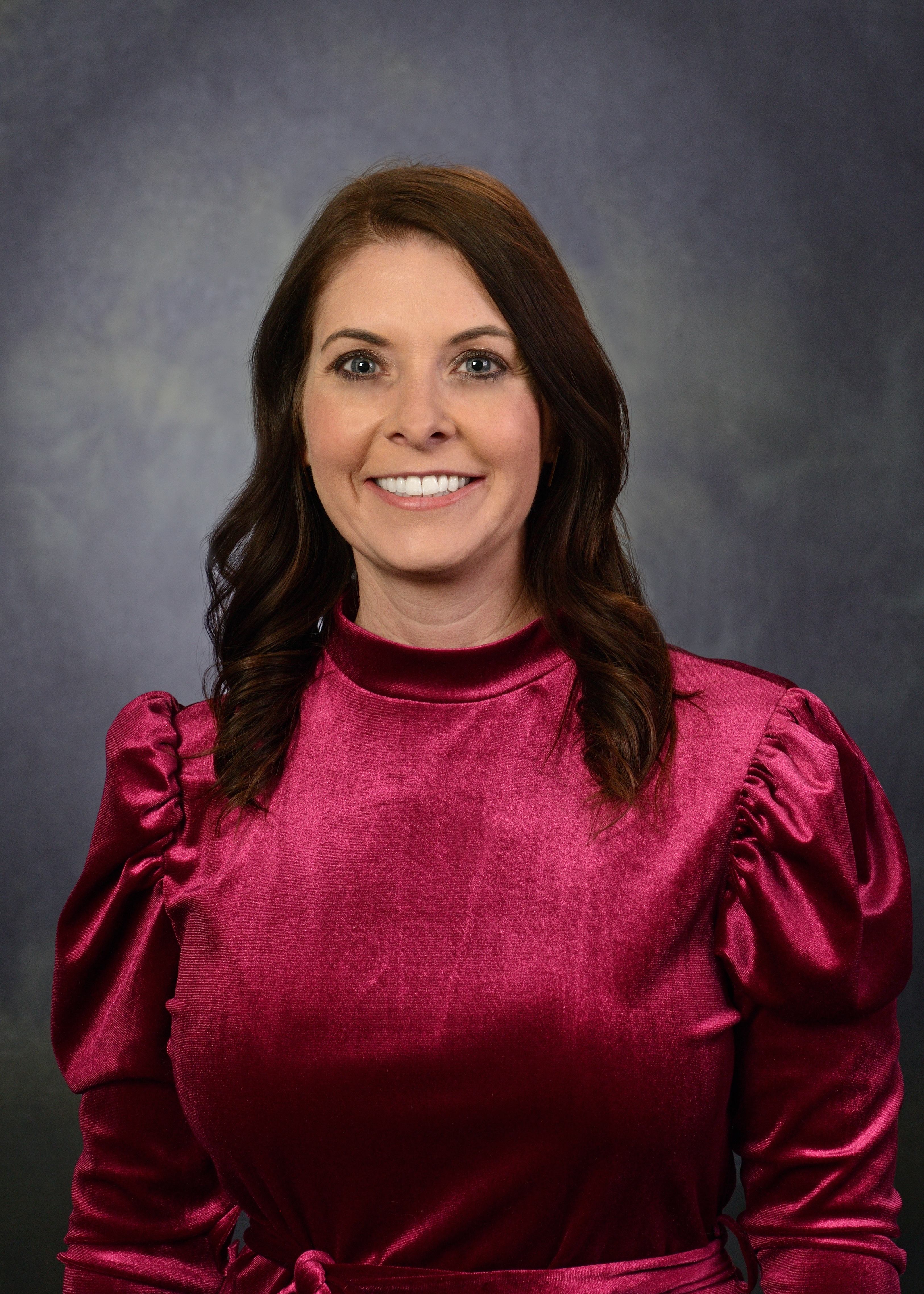
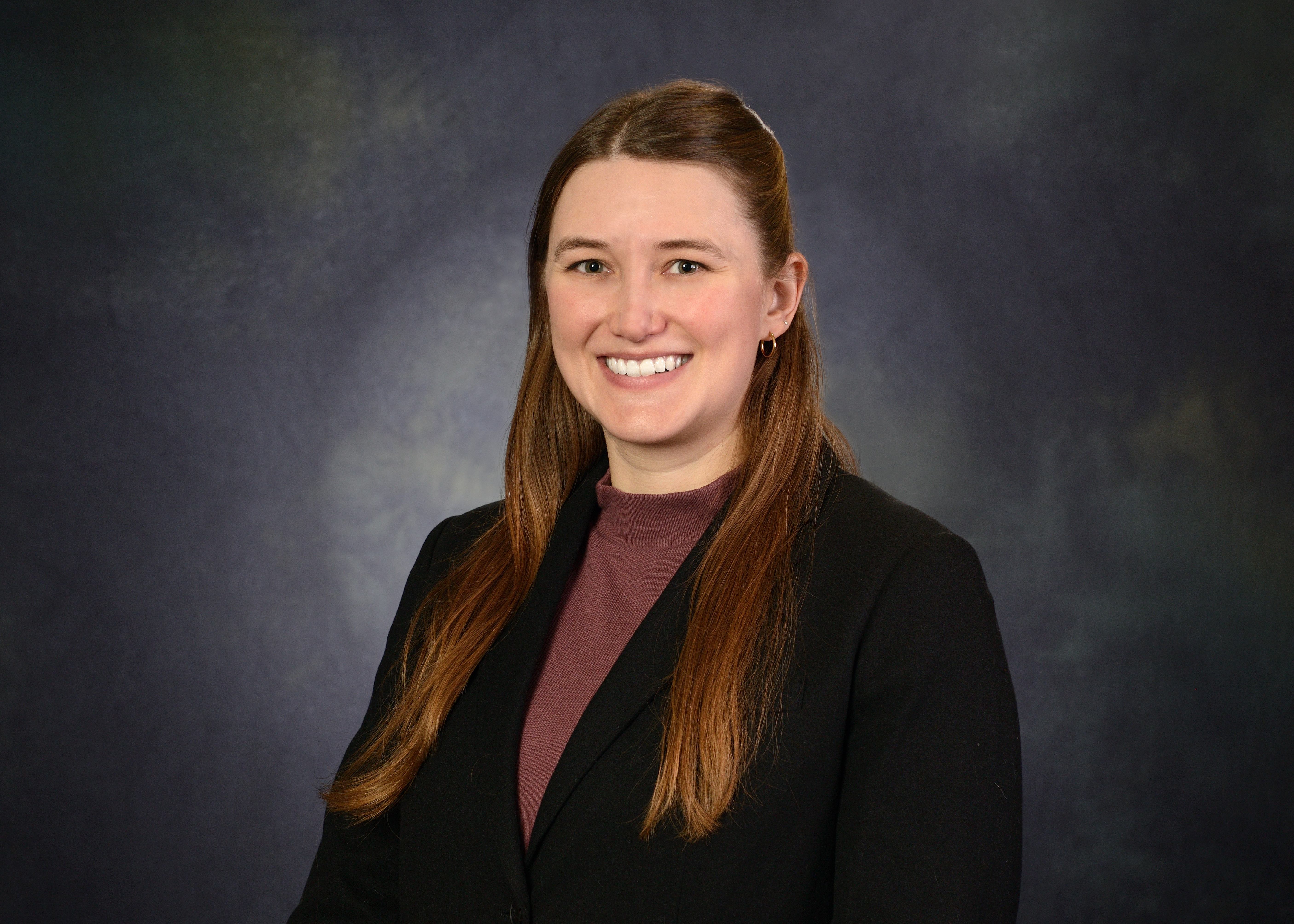
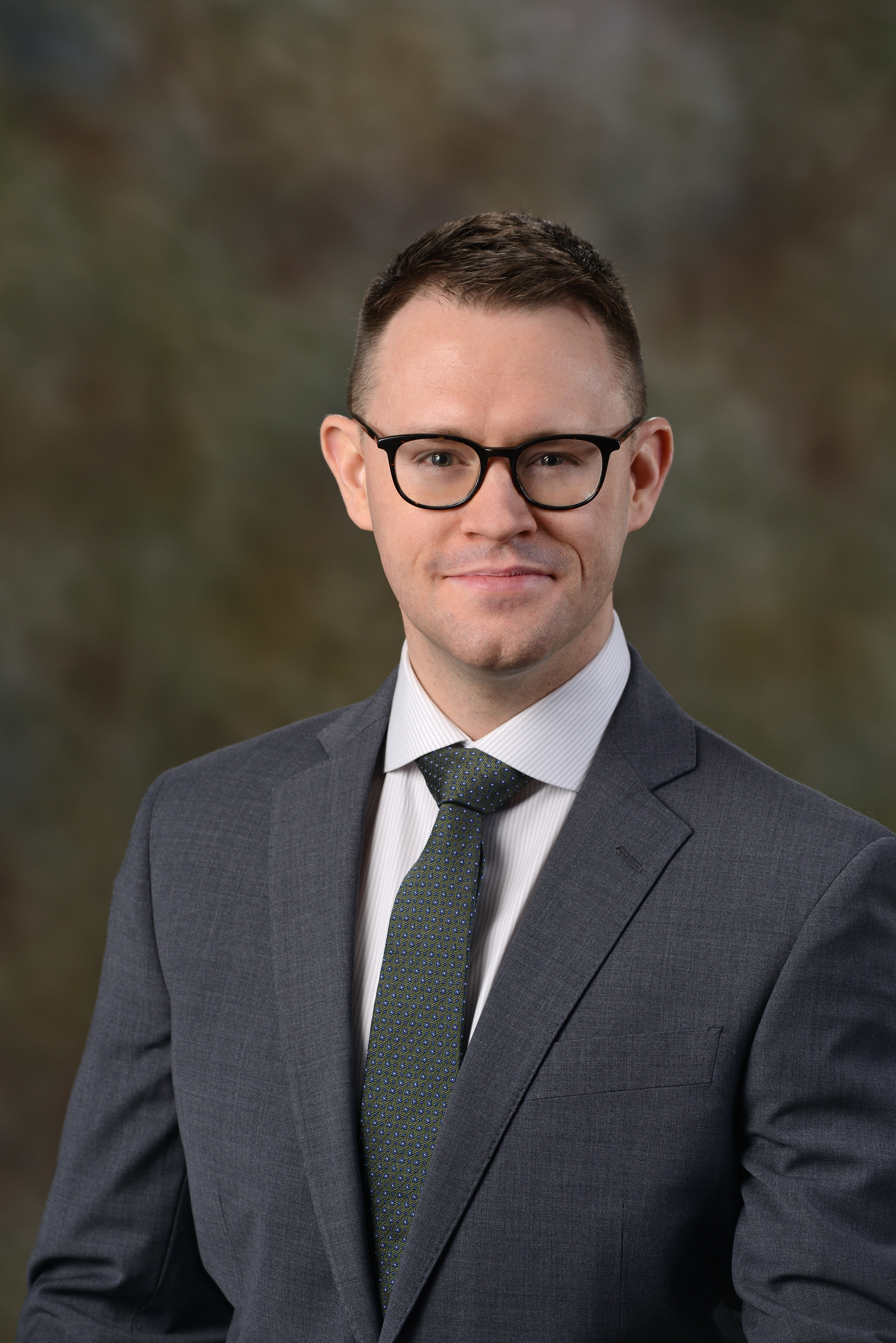
Economical doesn’t mean cheap. It means:
- No wasted time on-site (time is the biggest cost driver)
- No re-shooting due to avoidable mistakes
- No bloated deliverables nobody uses
- Fast, predictable post-production
- Assets captured with repurposing in mind
The most expensive events are the ones that look “fine” but fail to support marketing goals afterward. Economical coverage produces a library: social, web, PR, internal comms, recruiting, and sales enablement—built from one production.
Start With Outcomes, Not “Coverage Hours”
Before you discuss hours, decide what success looks like. For most organizations, event photography and headshots serve a mix of these outcomes:
- Brand credibility (professional, consistent imagery)
- PR and stakeholder storytelling (speaker moments, VIPs, sponsor visibility)
- Recruiting (people-first culture content)
- Sales enablement (real proof of activity, scale, trust)
- Internal communications (recognition, milestones, leadership presence)
When goals are clear, you can reduce cost by prioritizing specific high-value moments instead of trying to “capture everything.”
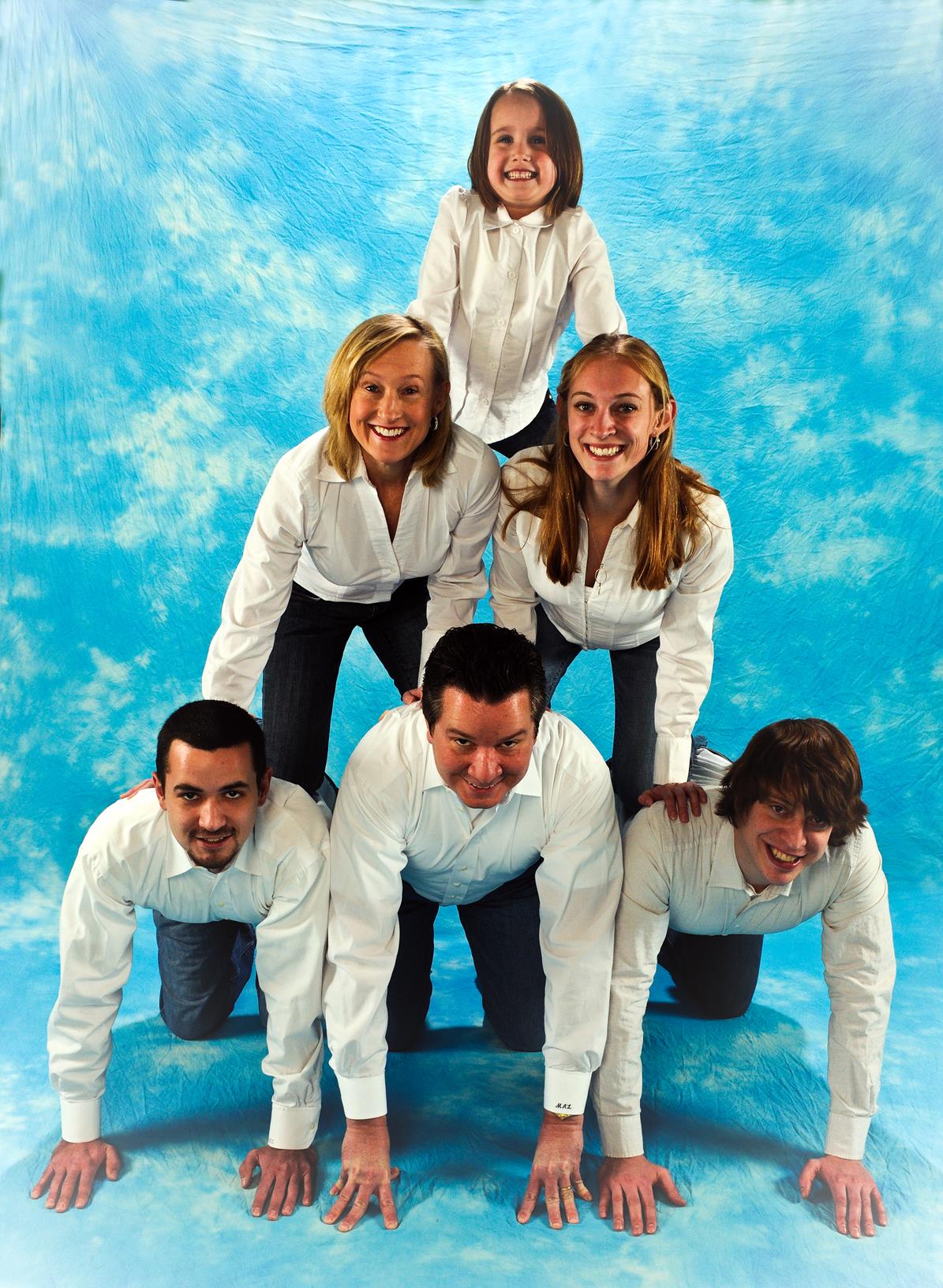
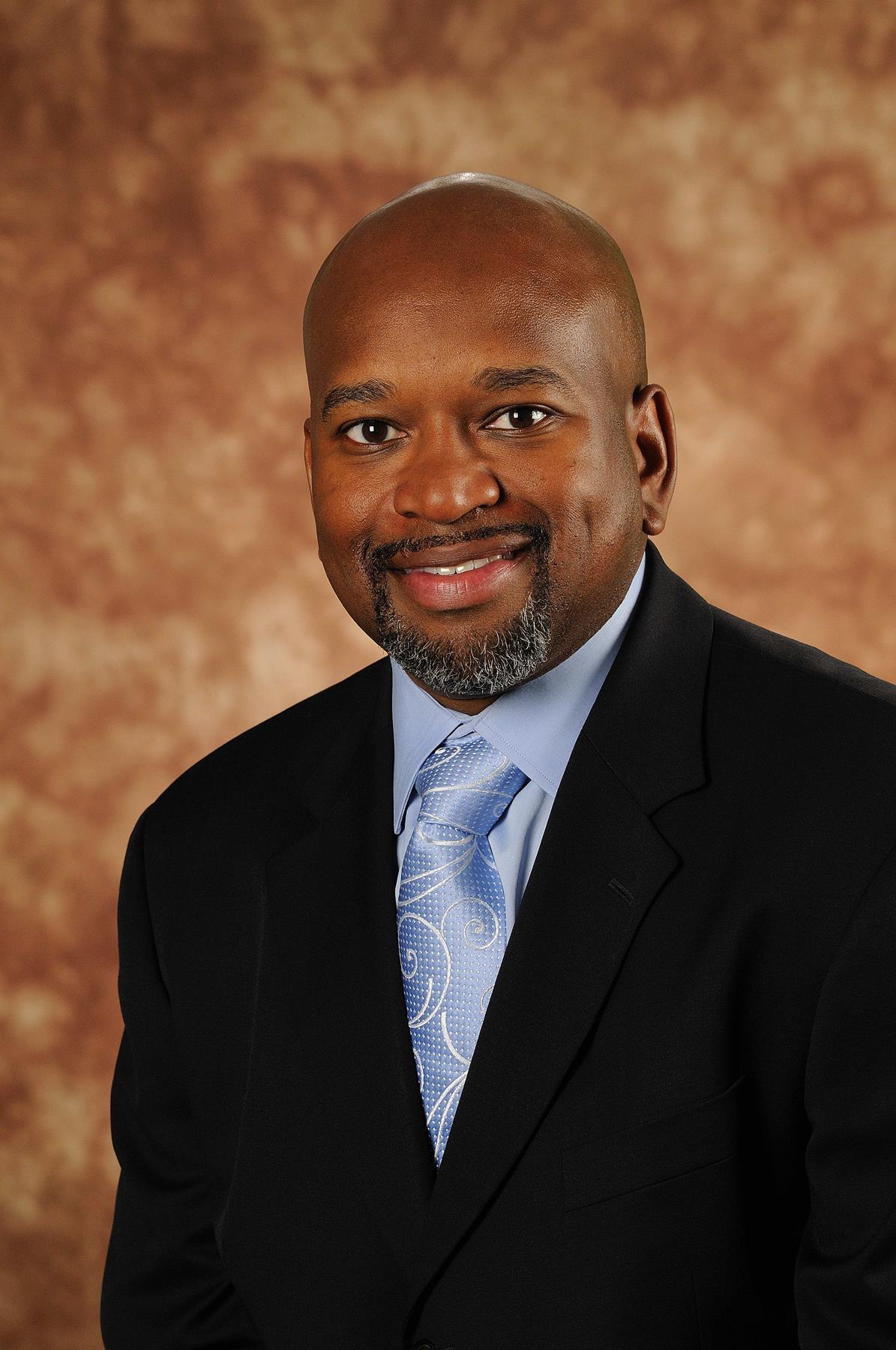
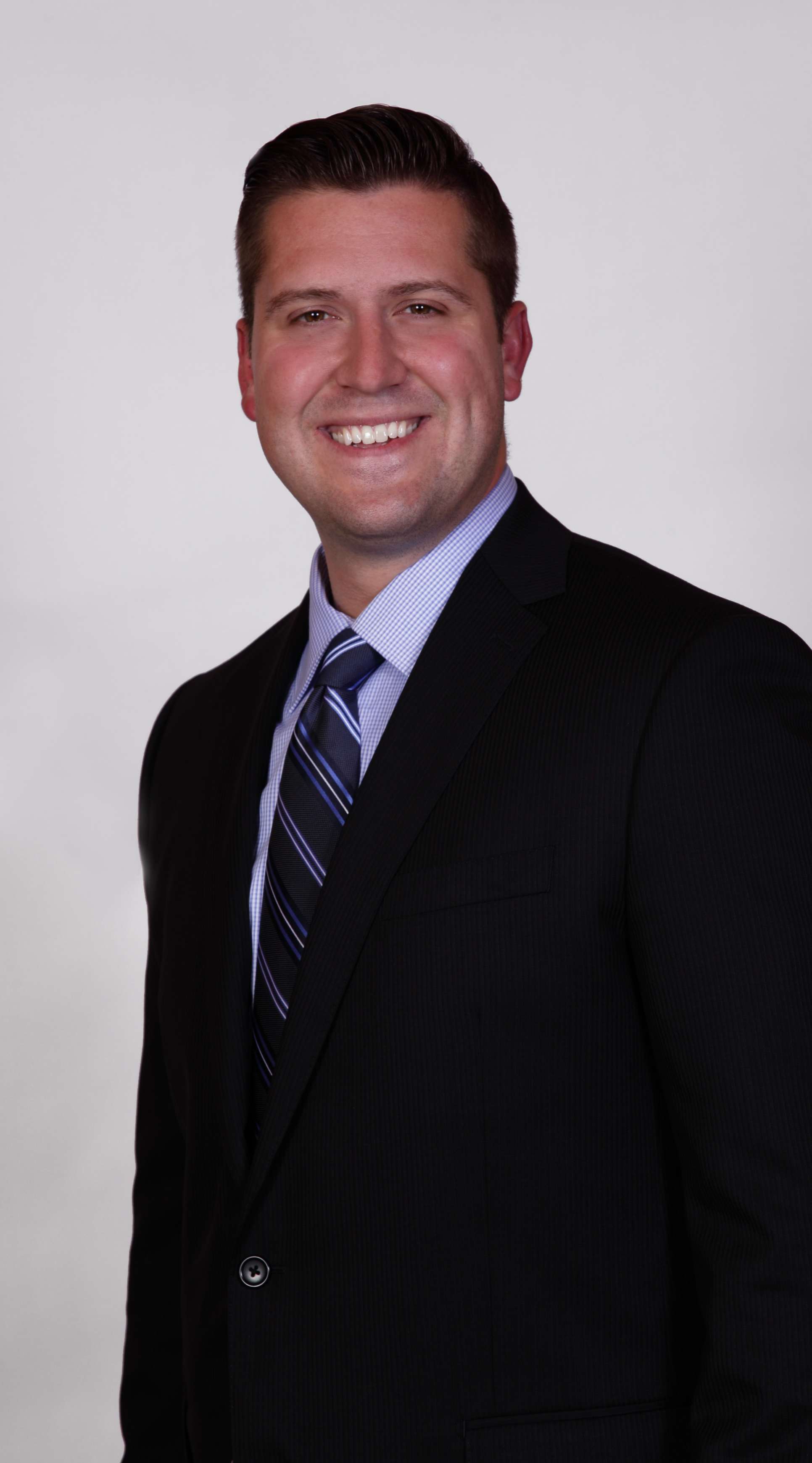
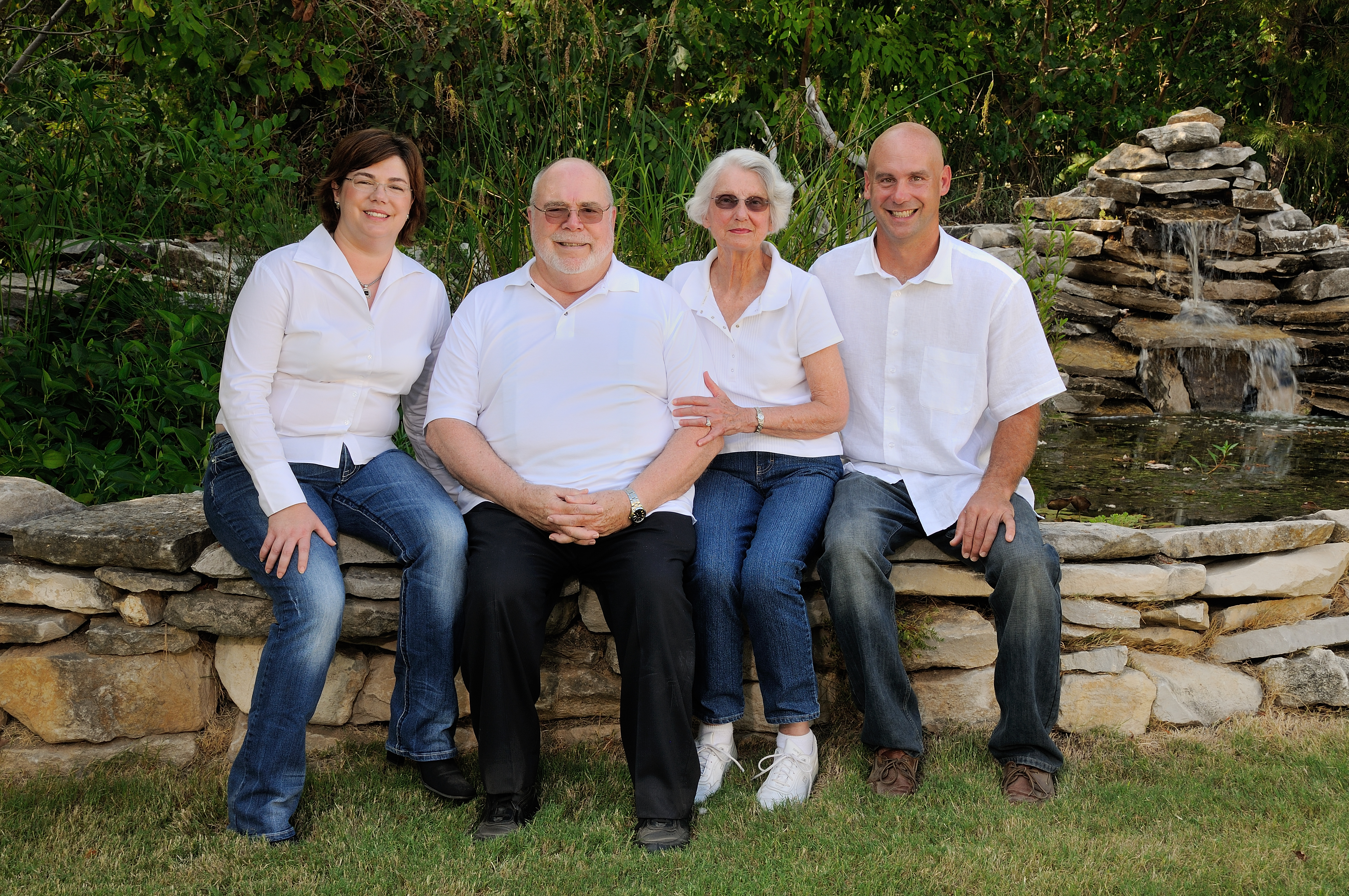
The Two-Part System That Saves Money: Shot List + Timeline Control
1) The shot list that prevents “coverage creep”
A tight shot list creates speed and reduces the need for extra photographers. A strong economical list often includes:
- Arrival and registration (2–3 hero shots)
- Venue wide establishing shots (interior/exterior)
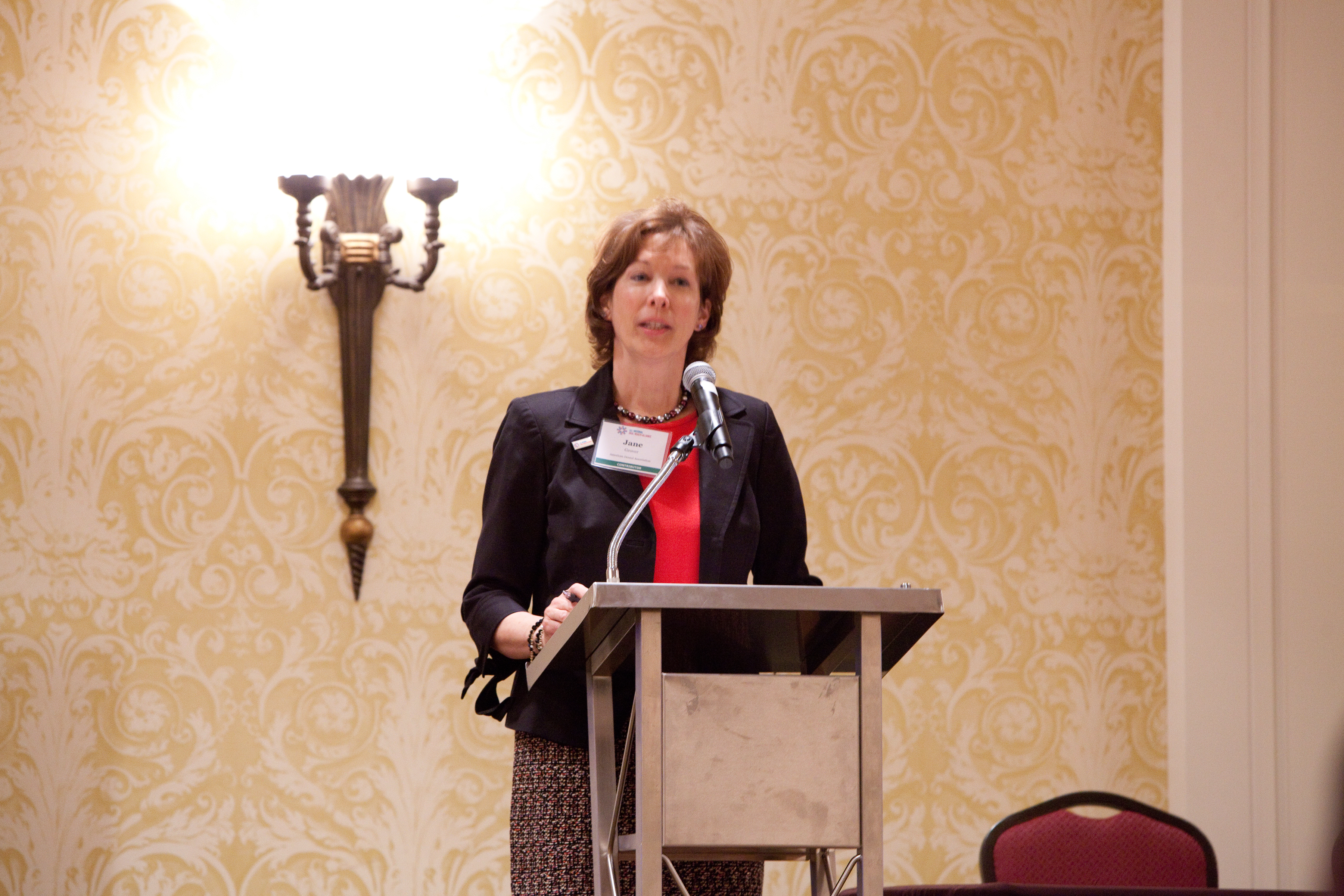
- Speakers on stage (clean angles, brand backdrop, audience context)
- Handshakes and awards (if applicable)
- Sponsor interactions + signage
- 8–12 candid “culture” photos: teams, reactions, networking
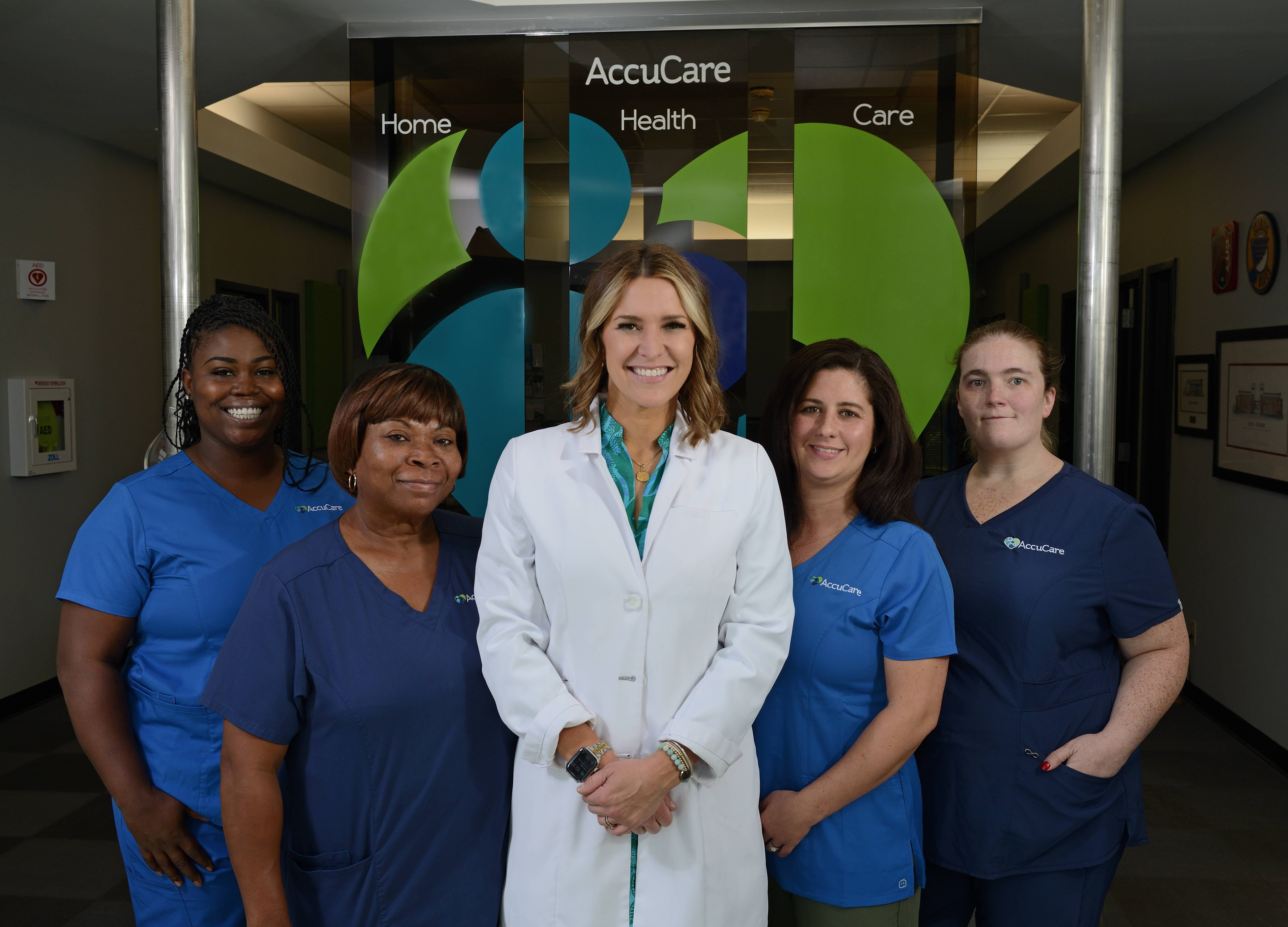
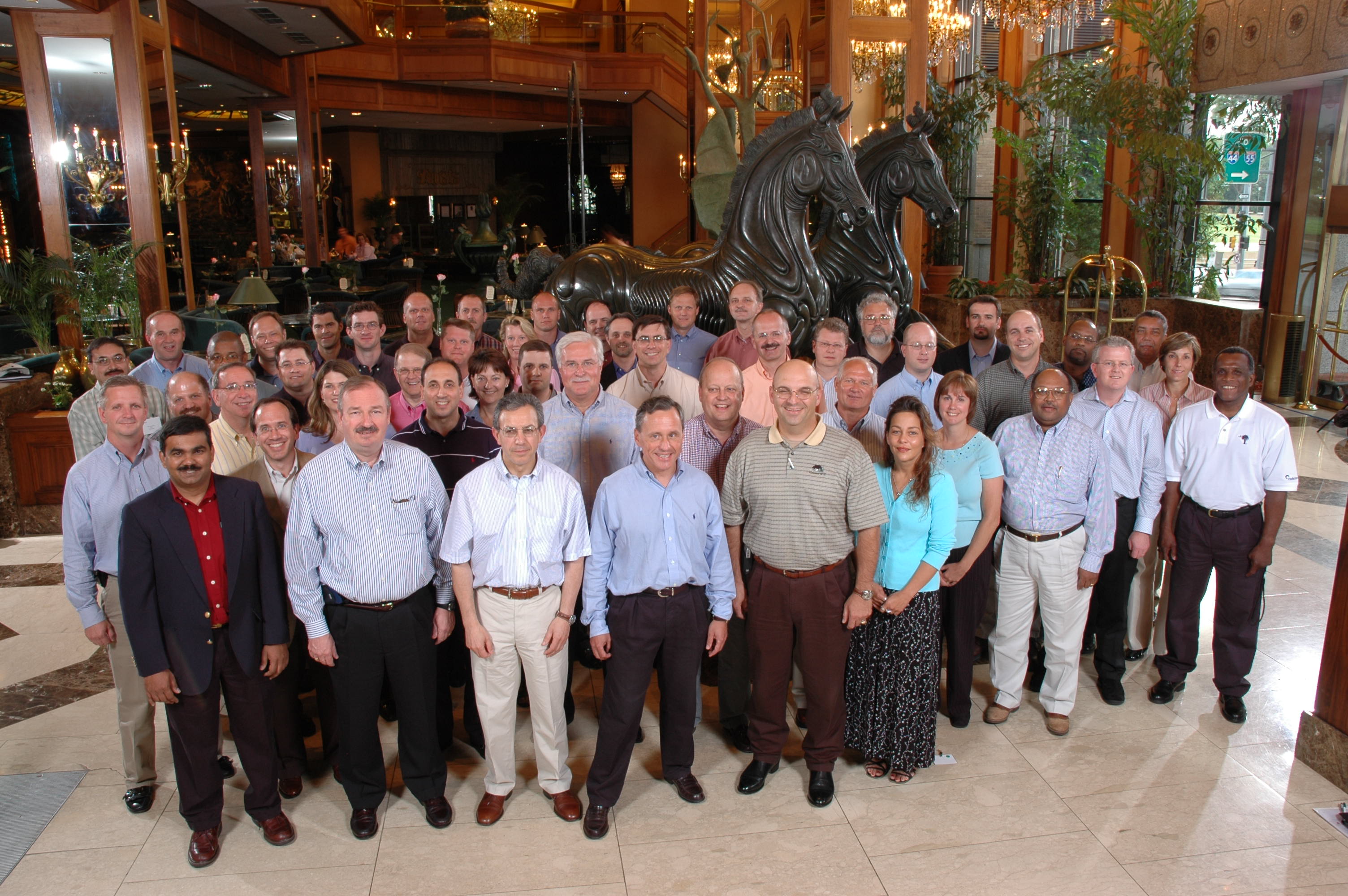
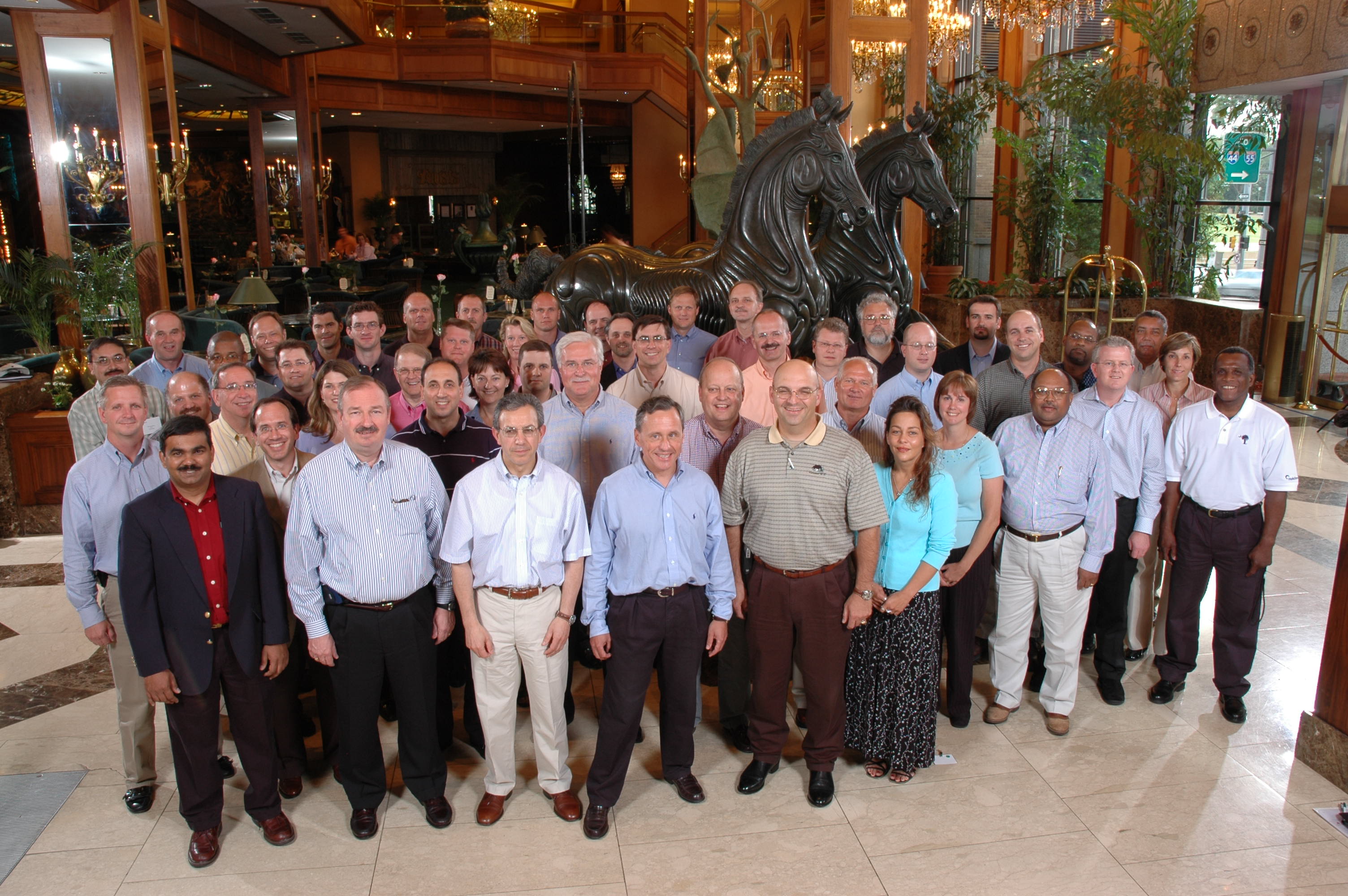
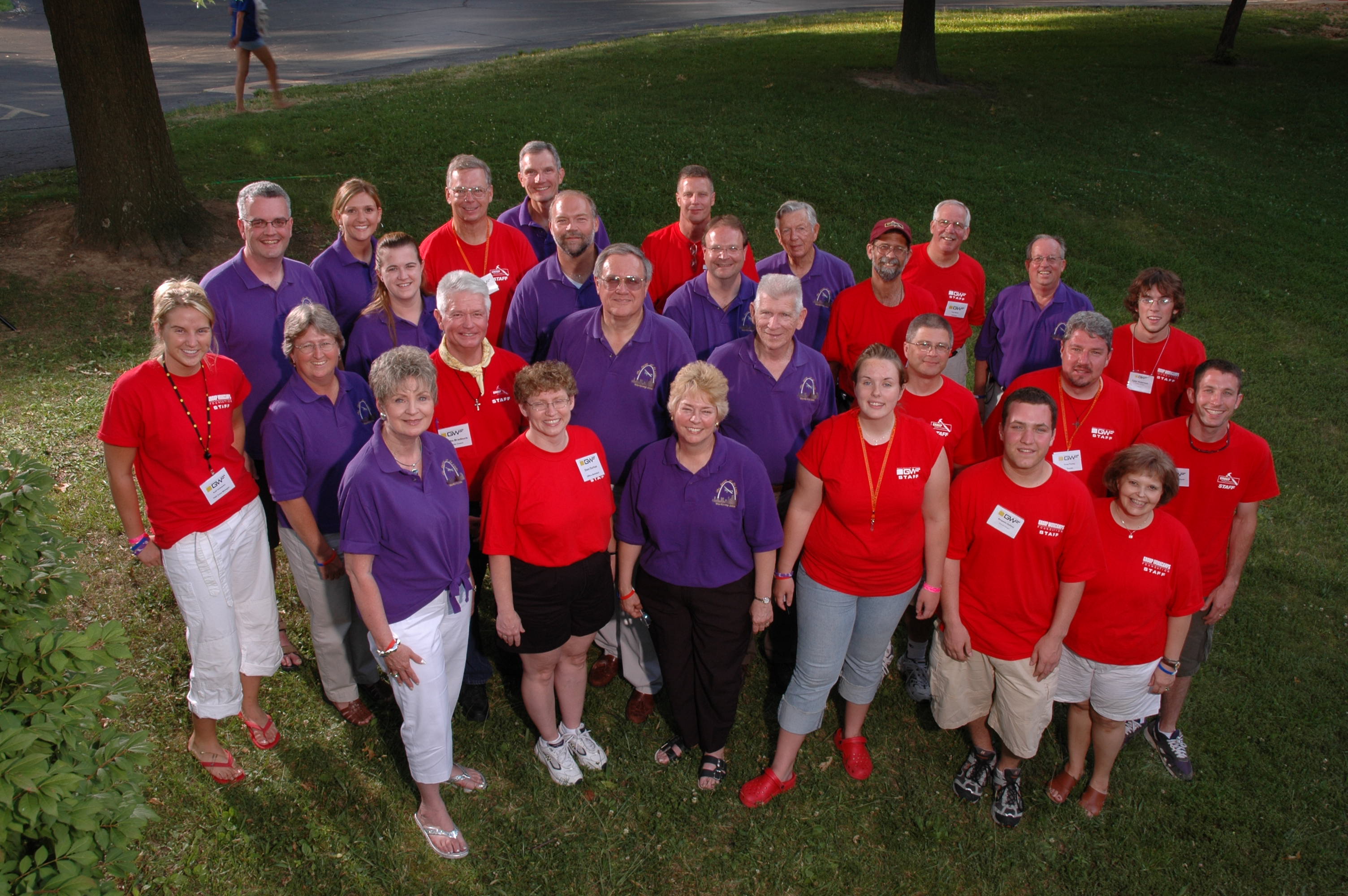
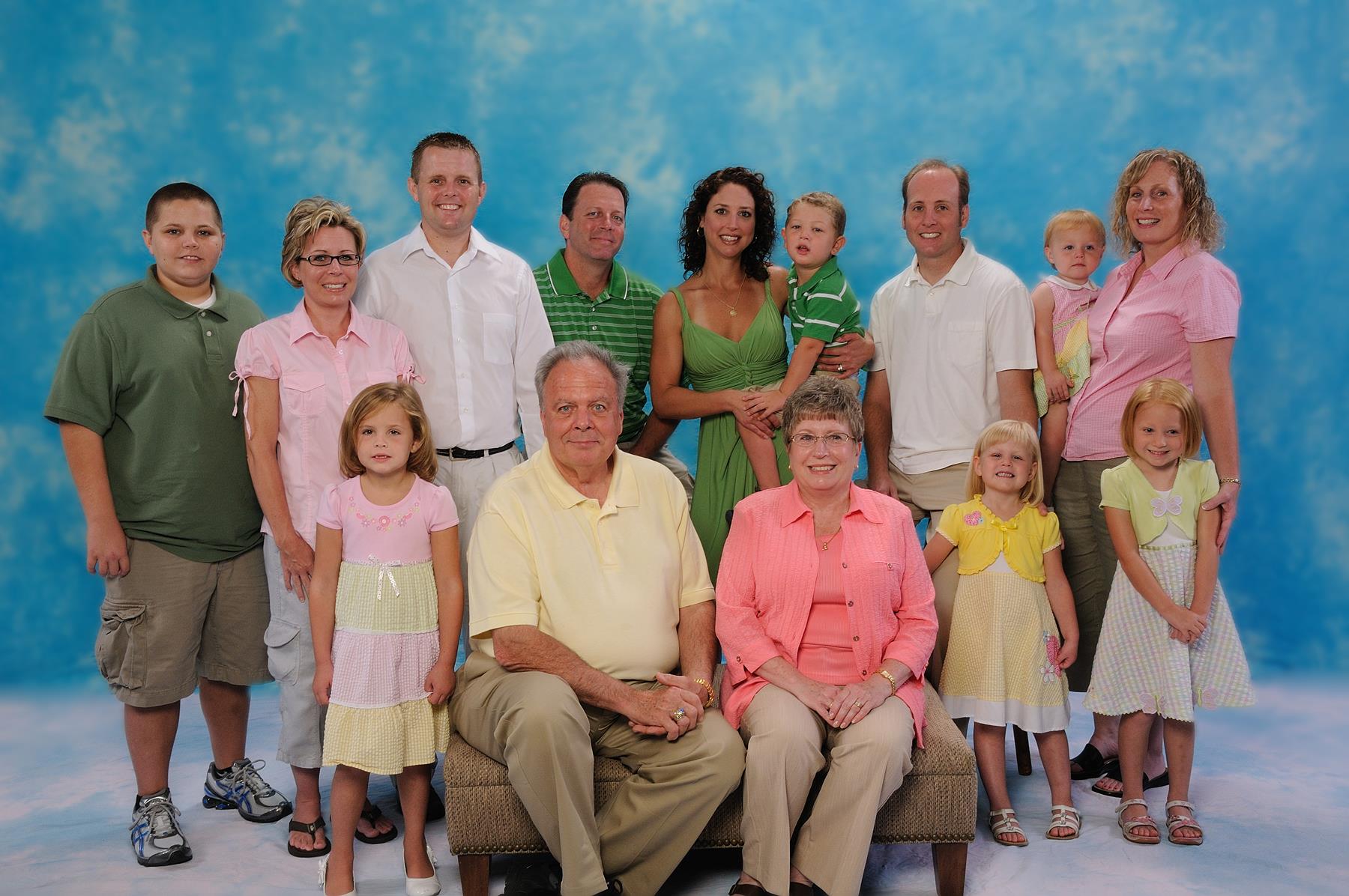
- 3–5 group photos that matter (executive team, board, volunteers, department)
- Detail shots: program, name badges, branded tables, products
2) Timeline control that protects production value
Most events fall apart visually because of timing drift and uncontrolled environments. An economical production plan bakes in:
- A 10-minute lighting “lock” for headshots or VIP portraits
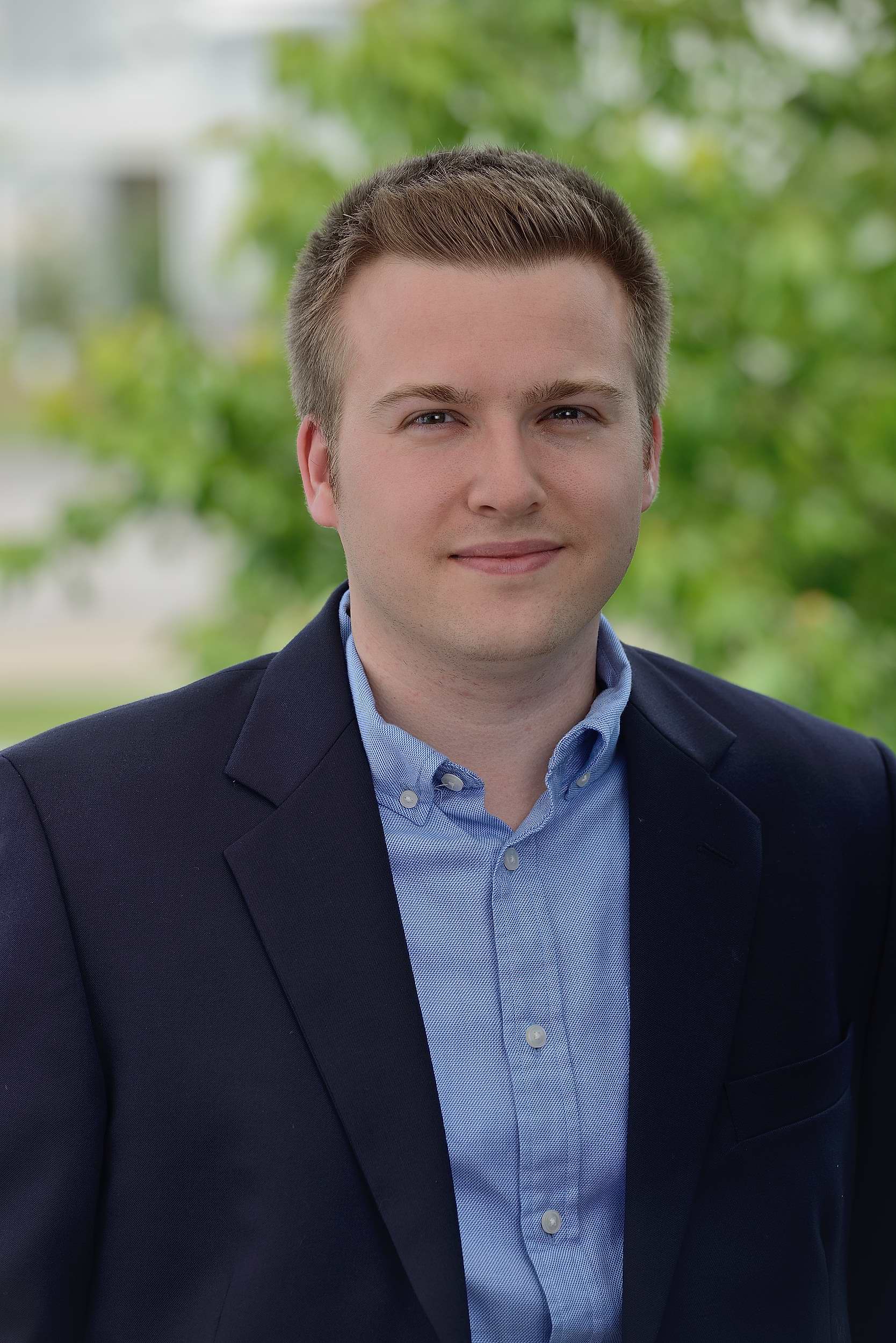
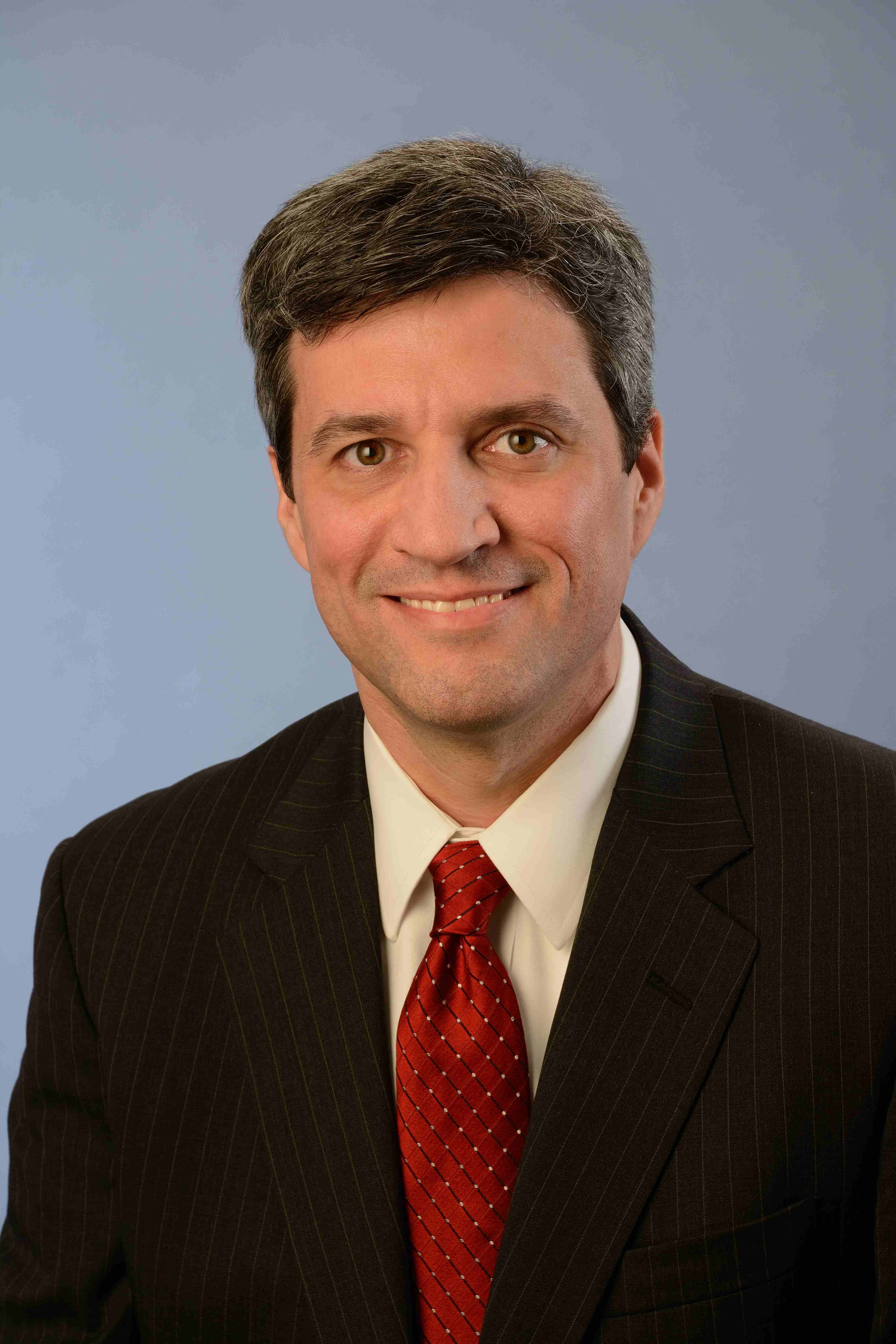
- A dedicated headshot window (even if small) so you don’t fight crowds
- A staging plan for group photos (where, when, who gathers)
- A short list of “must-capture” moments with a contact person to escort talent
This planning costs almost nothing, but it can cut total photography time and editing time dramatically.
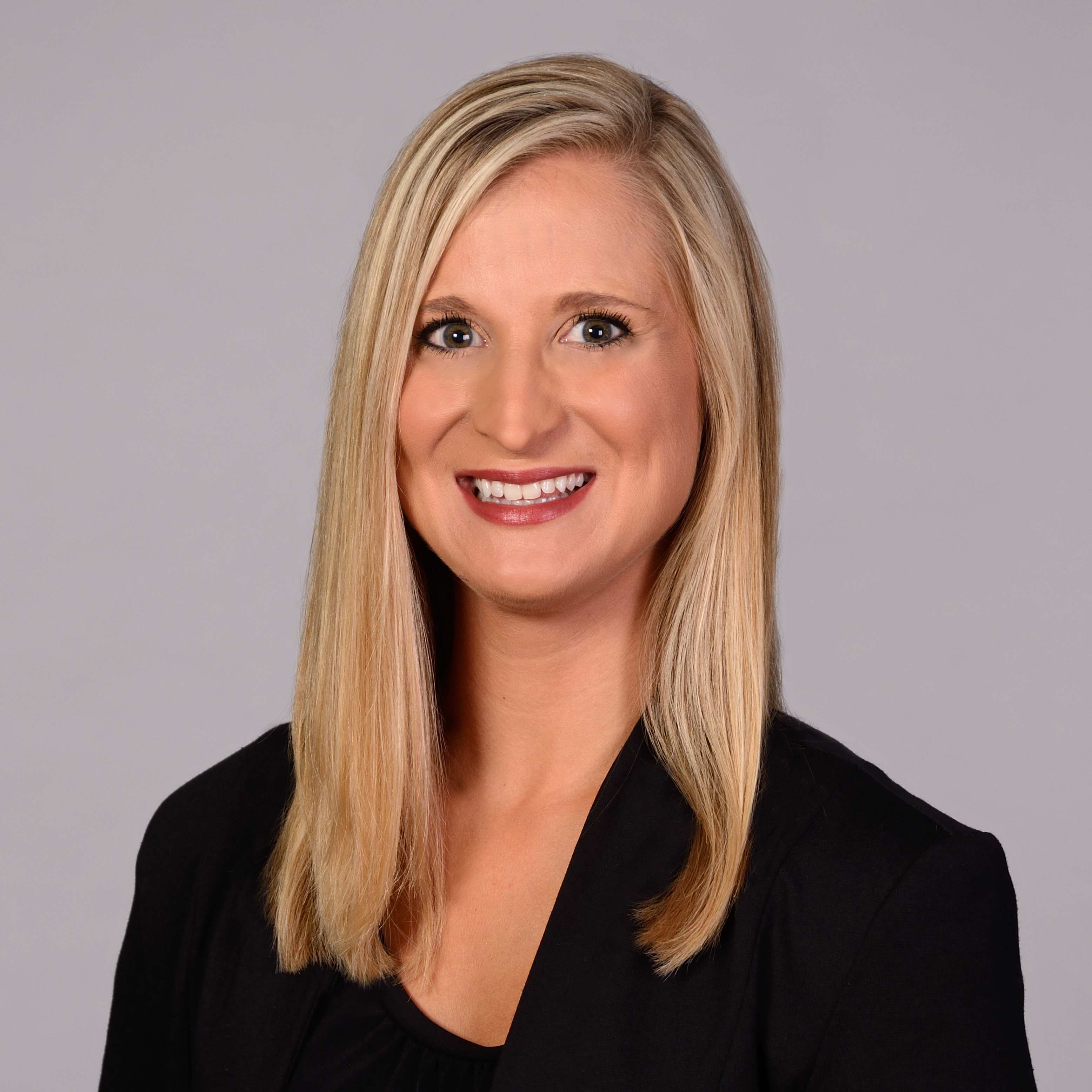
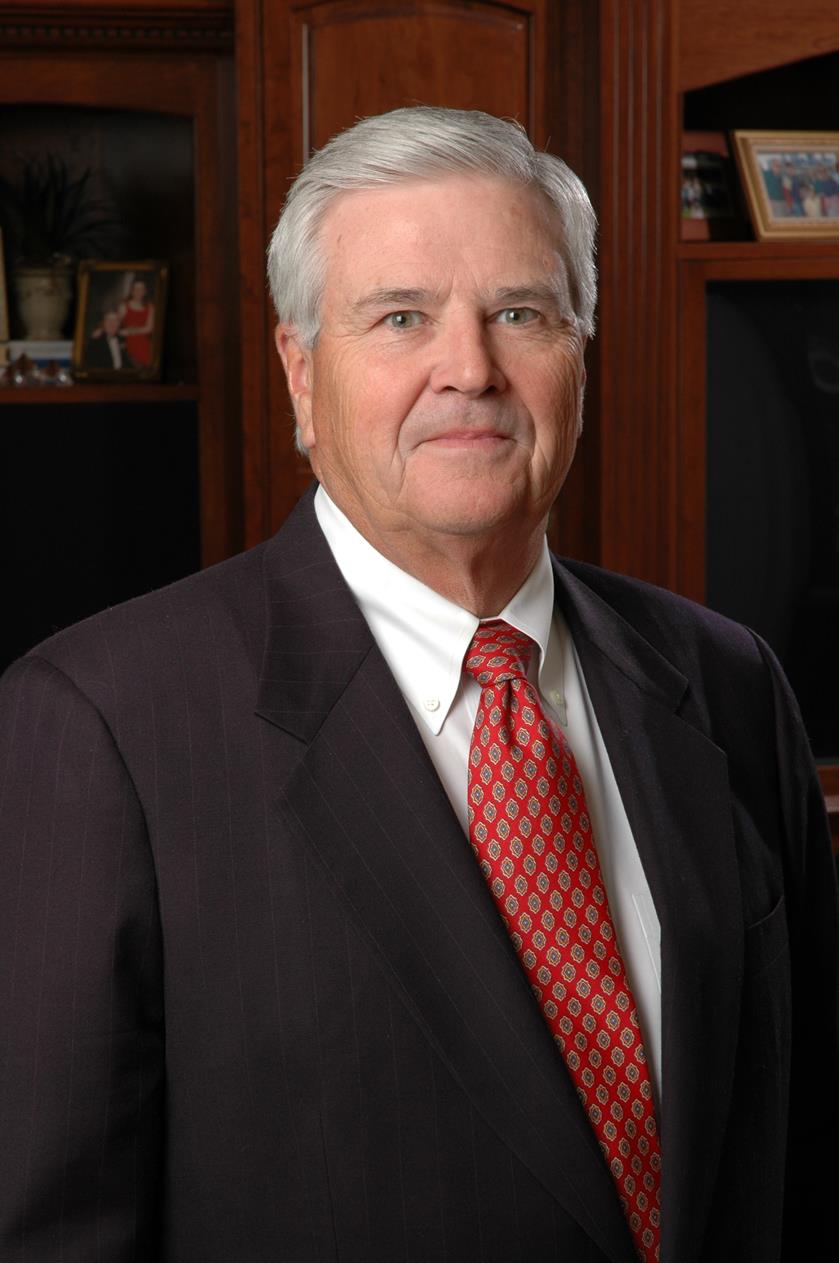
Economical Headshots at Events: The Smart Way to Do It
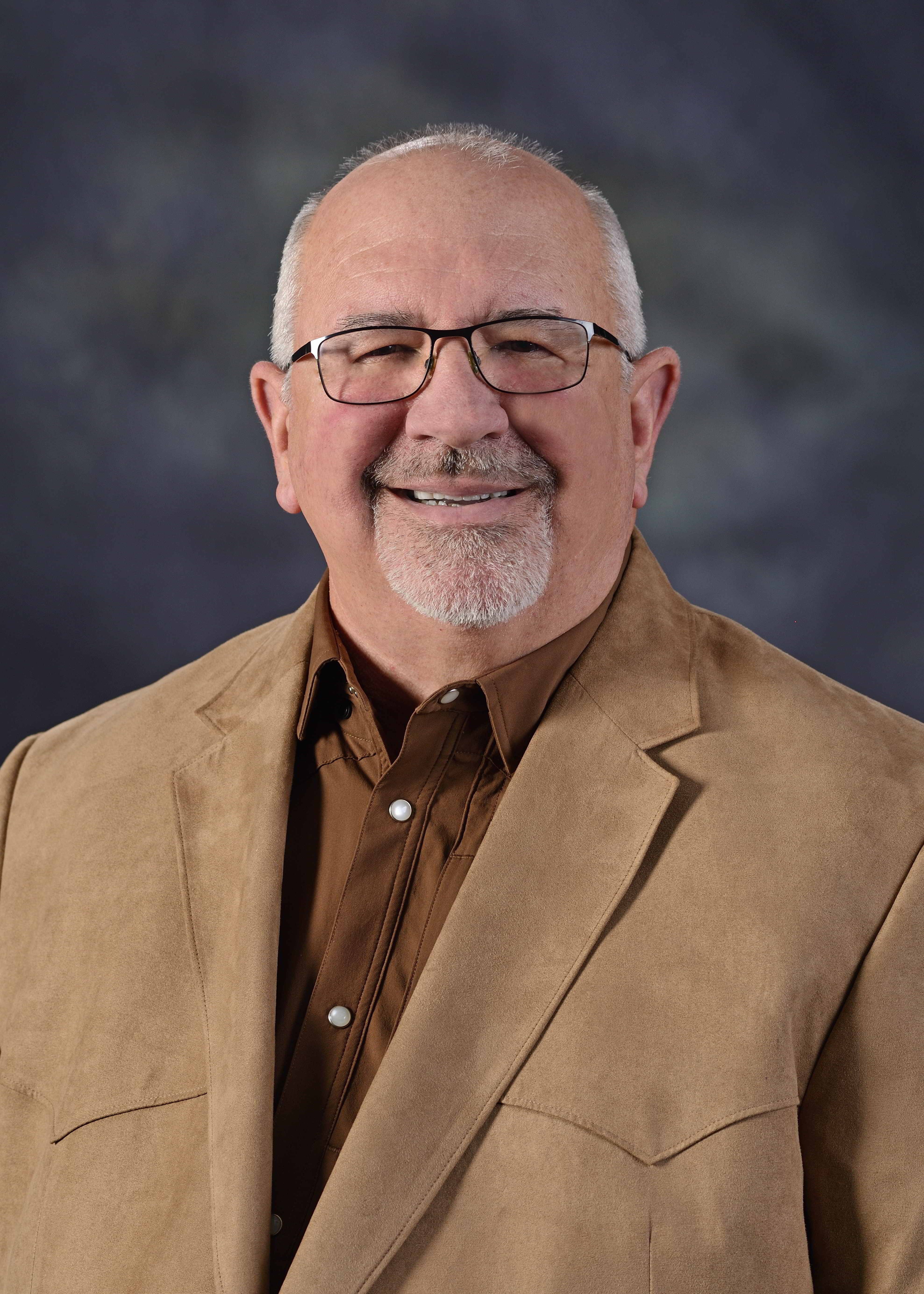
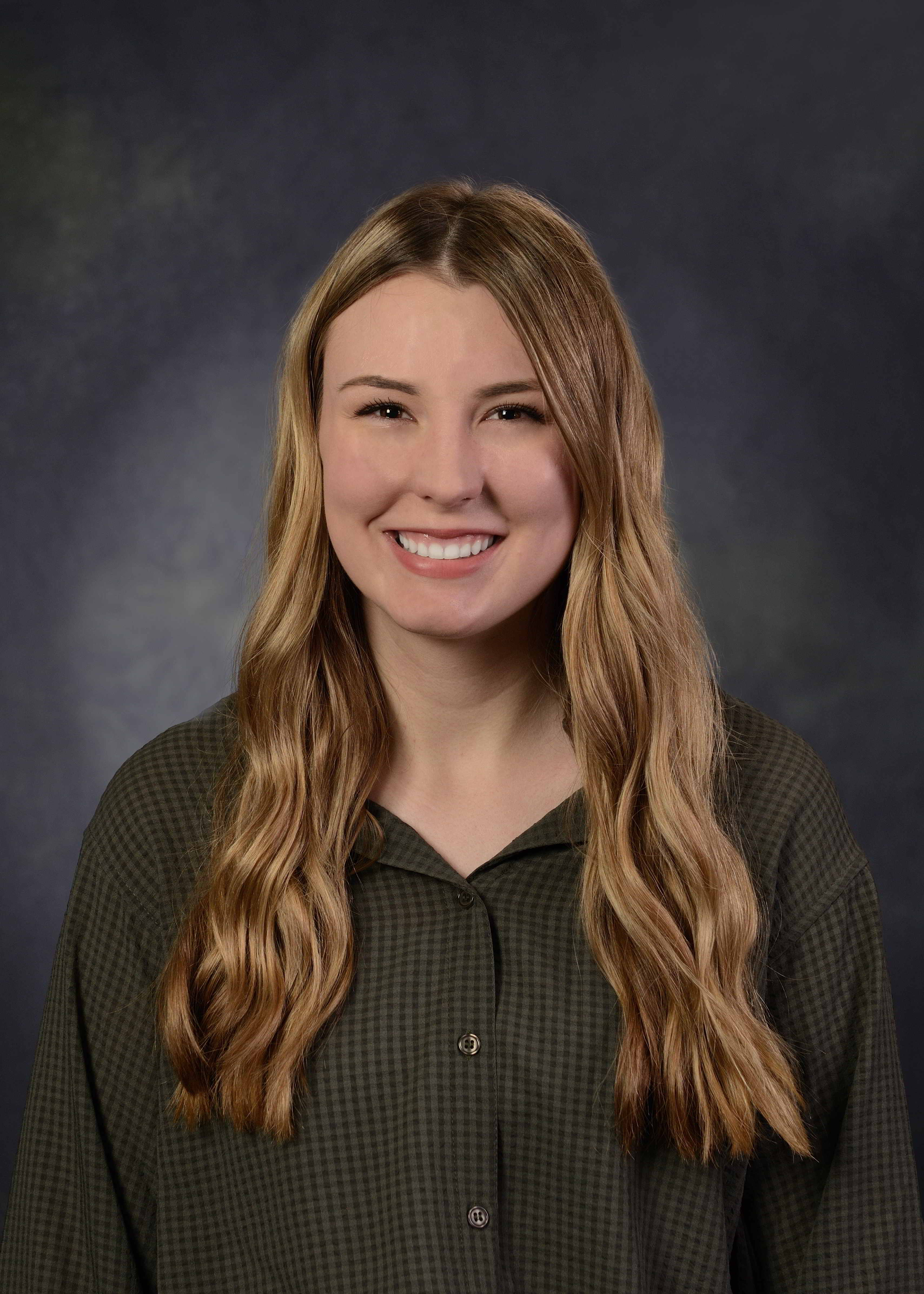
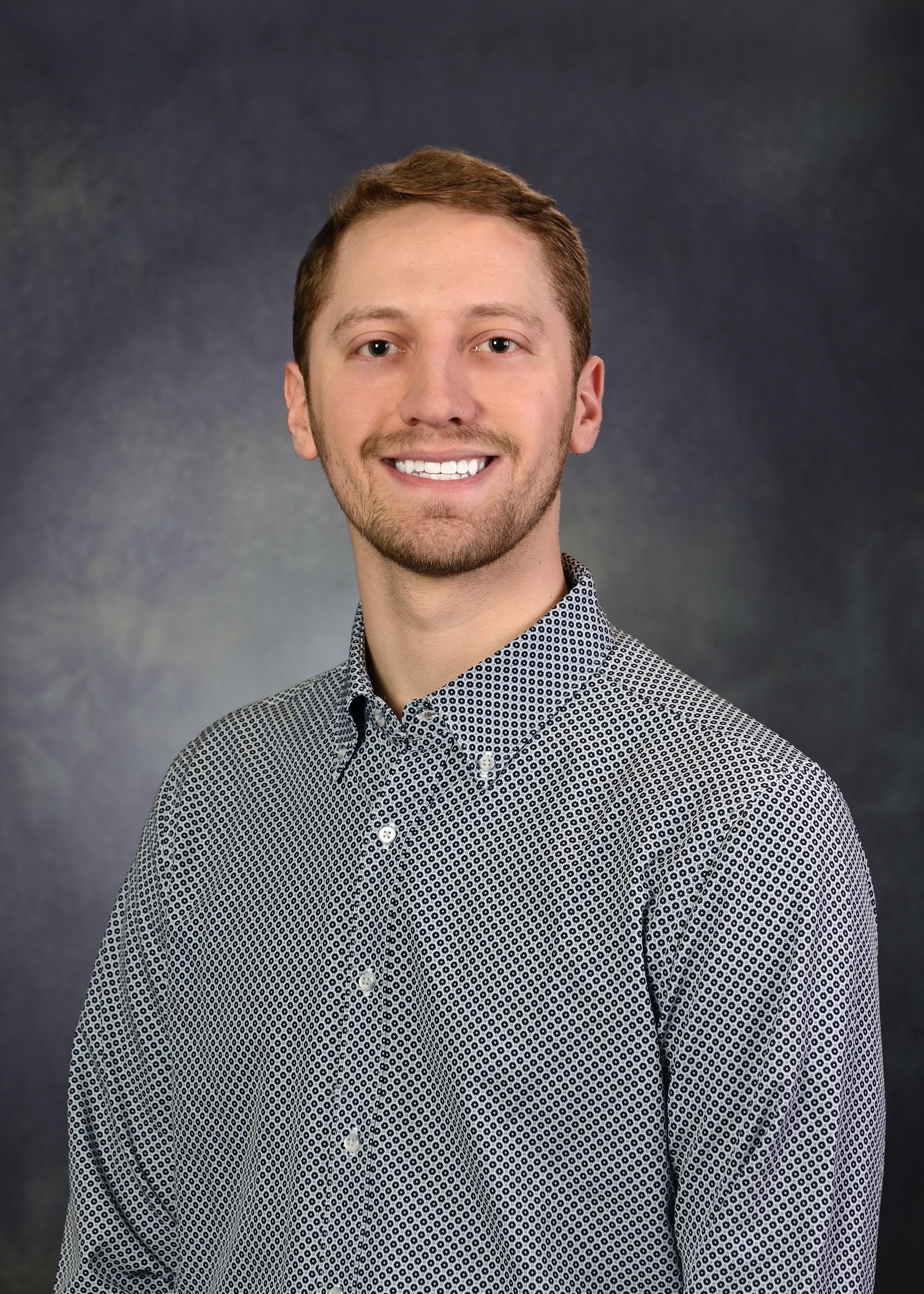
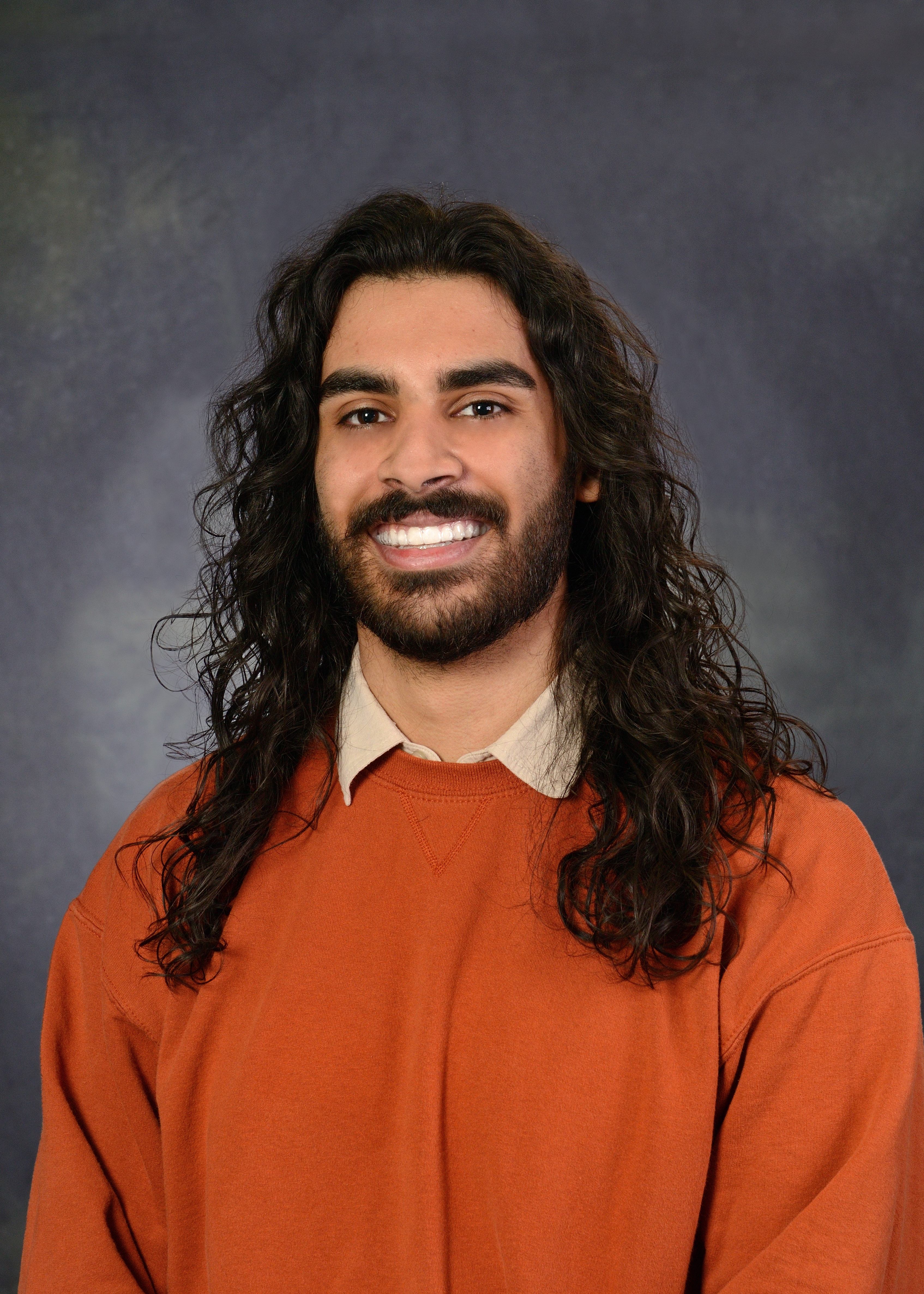
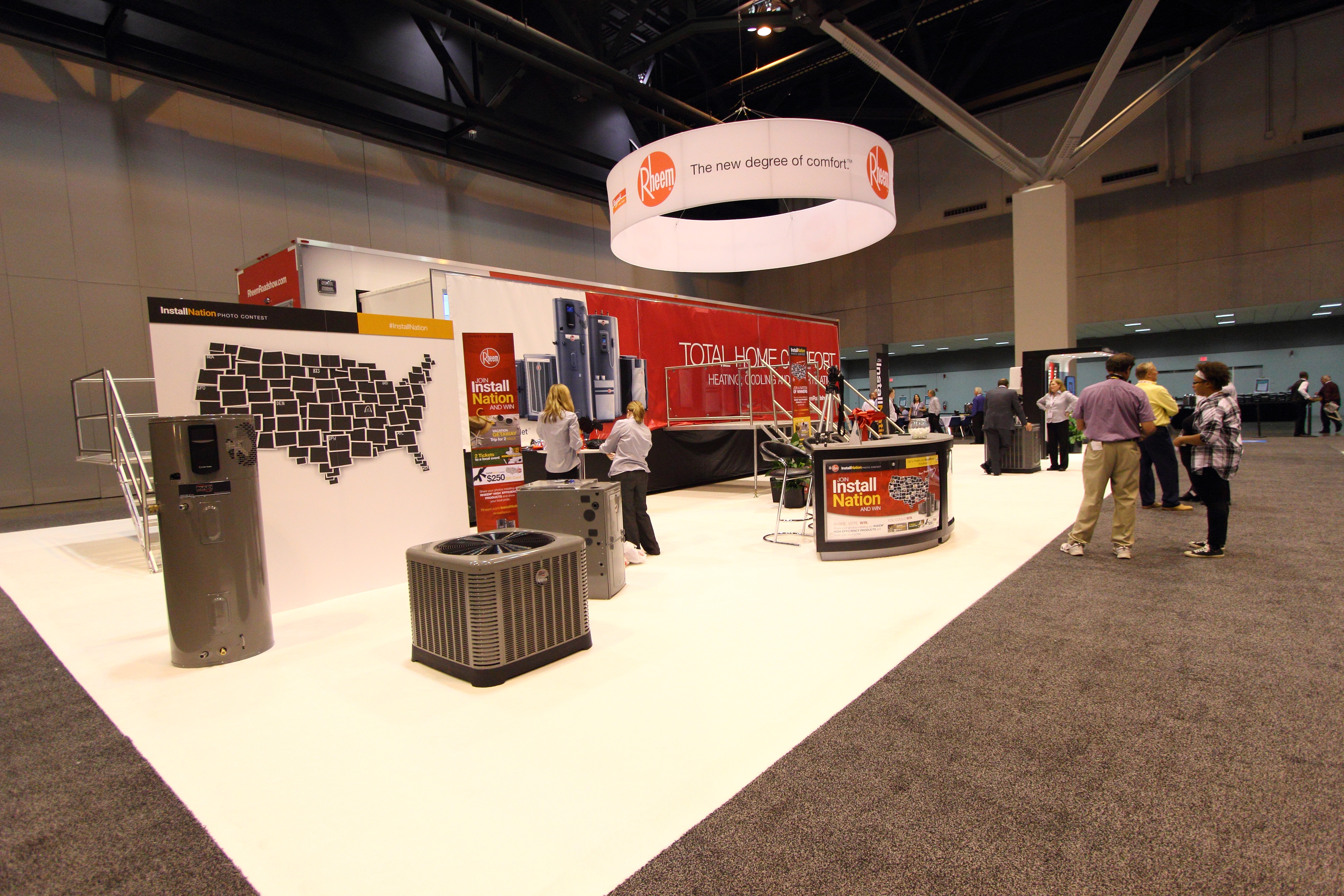
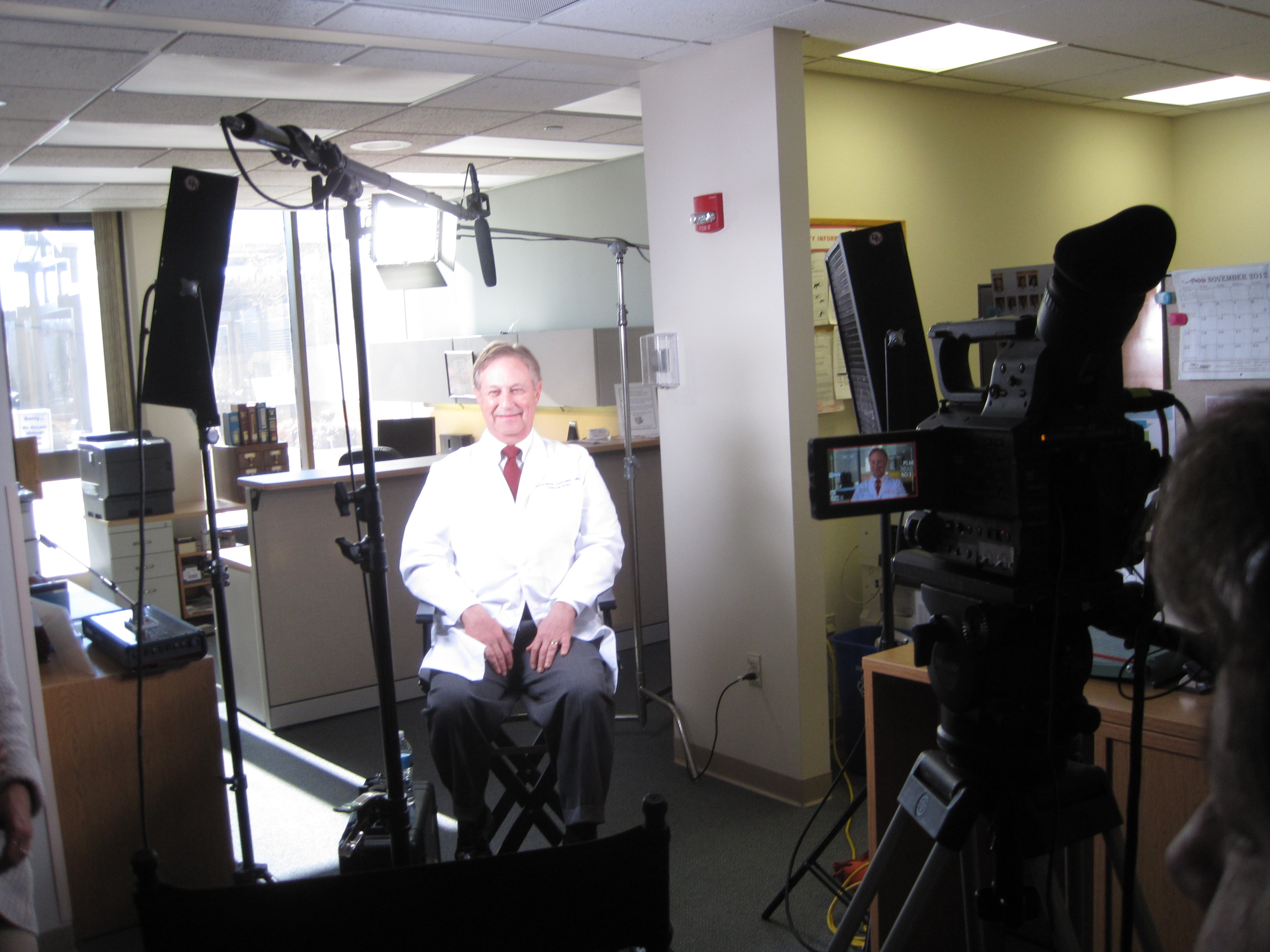
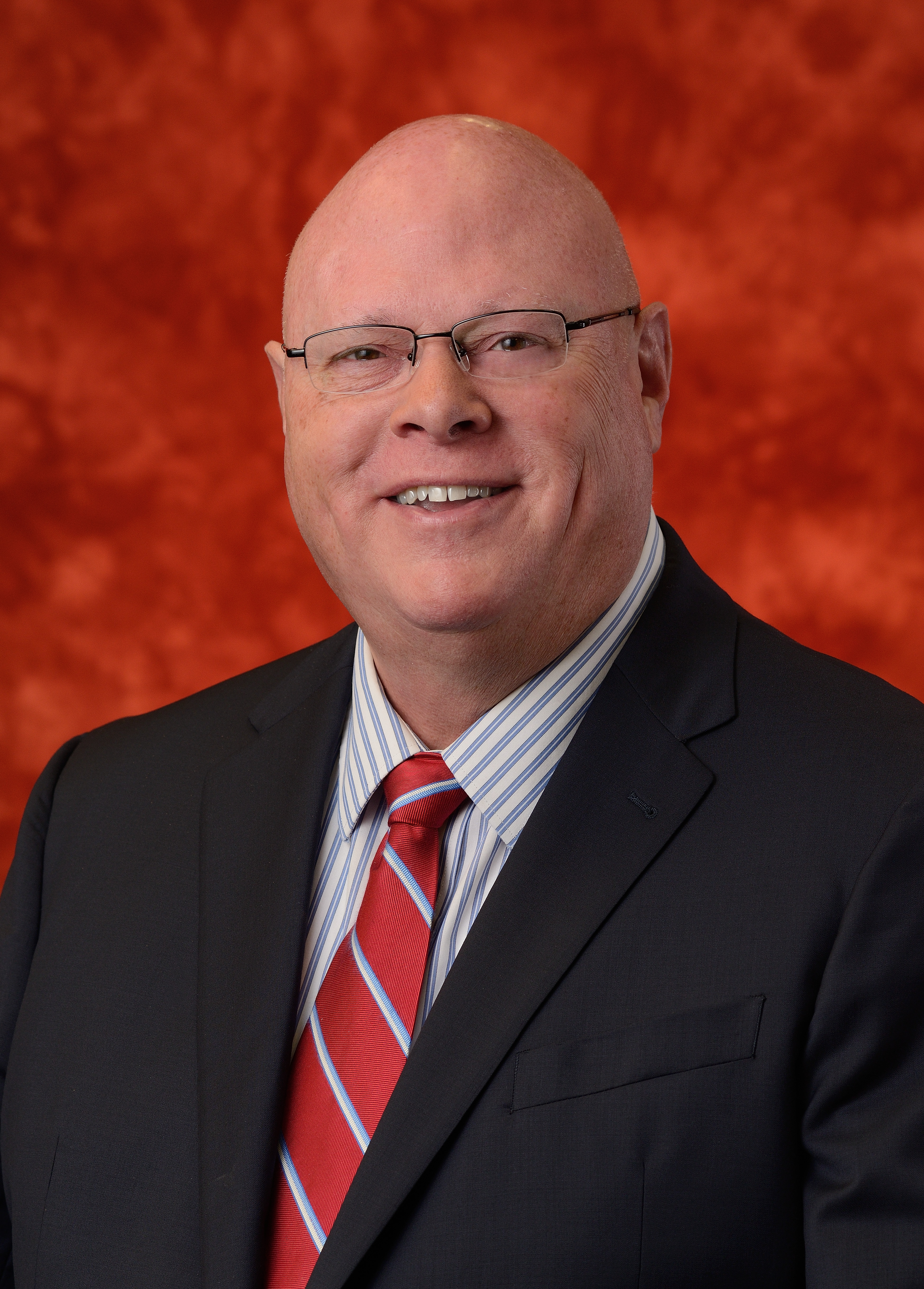
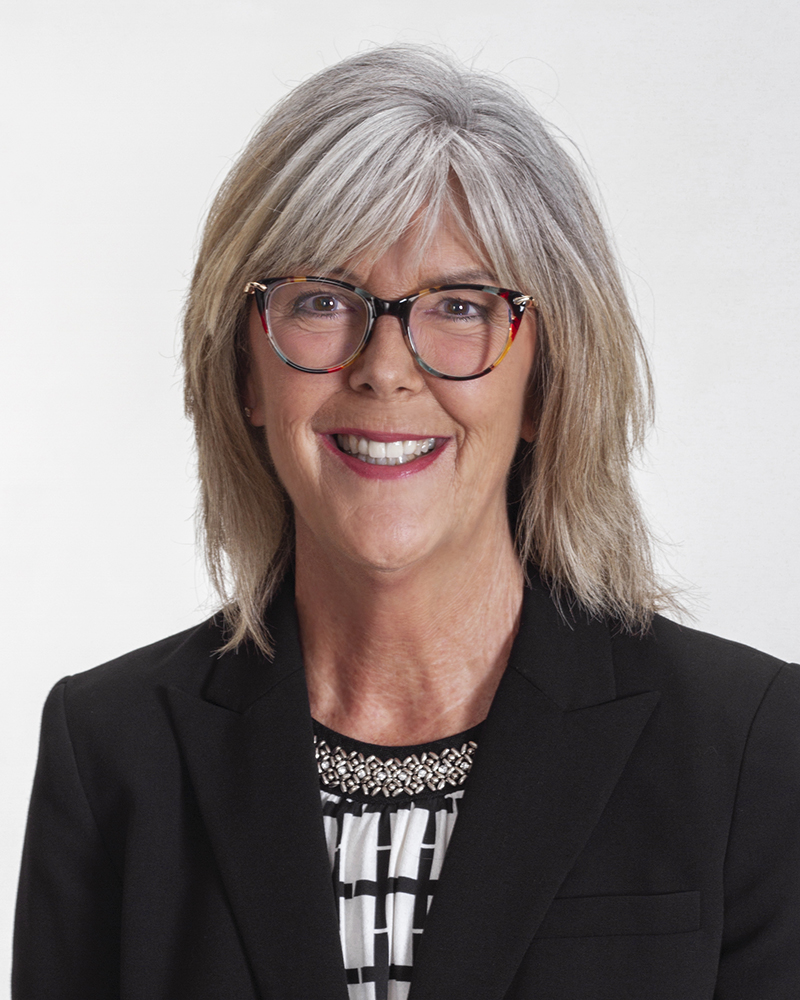
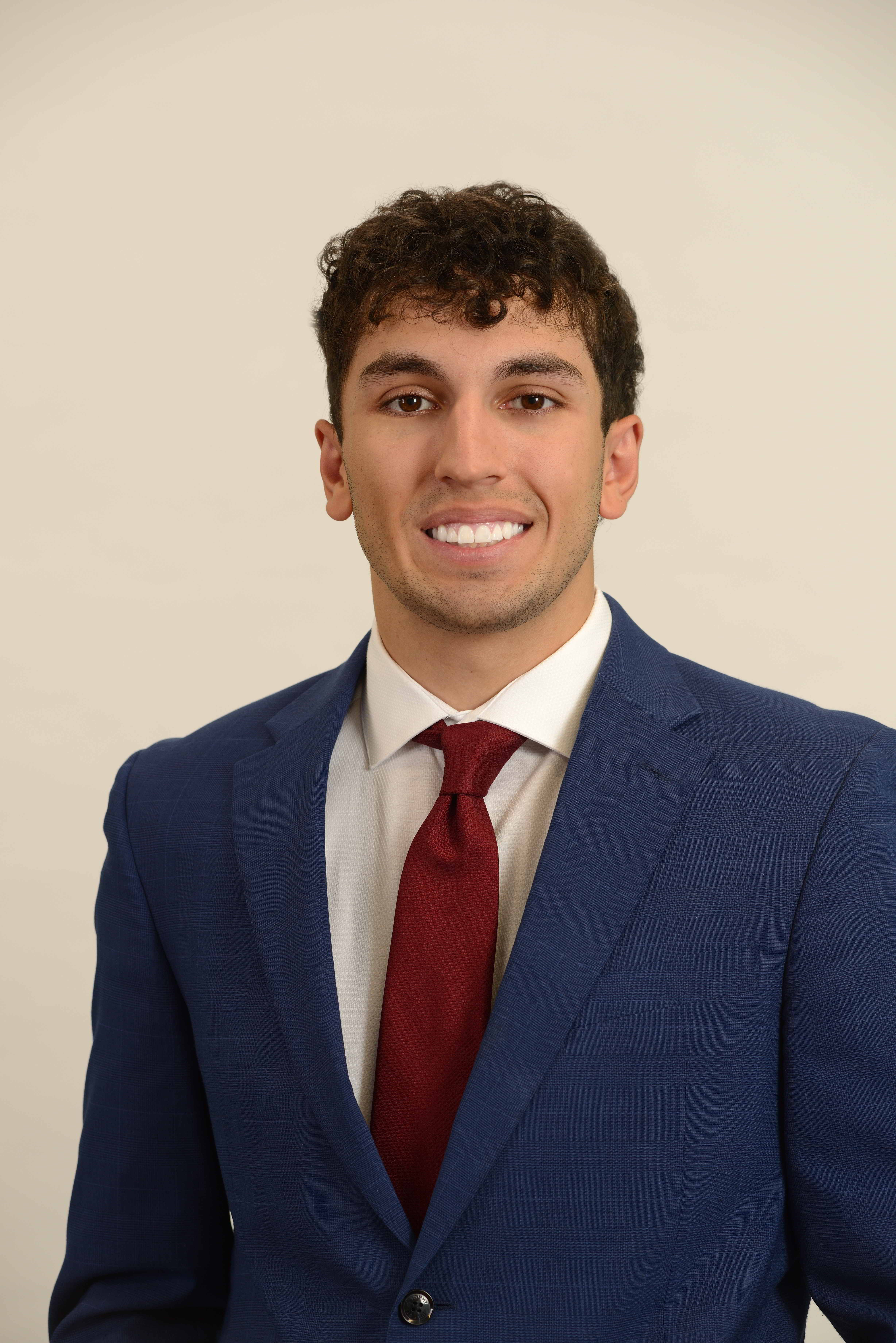
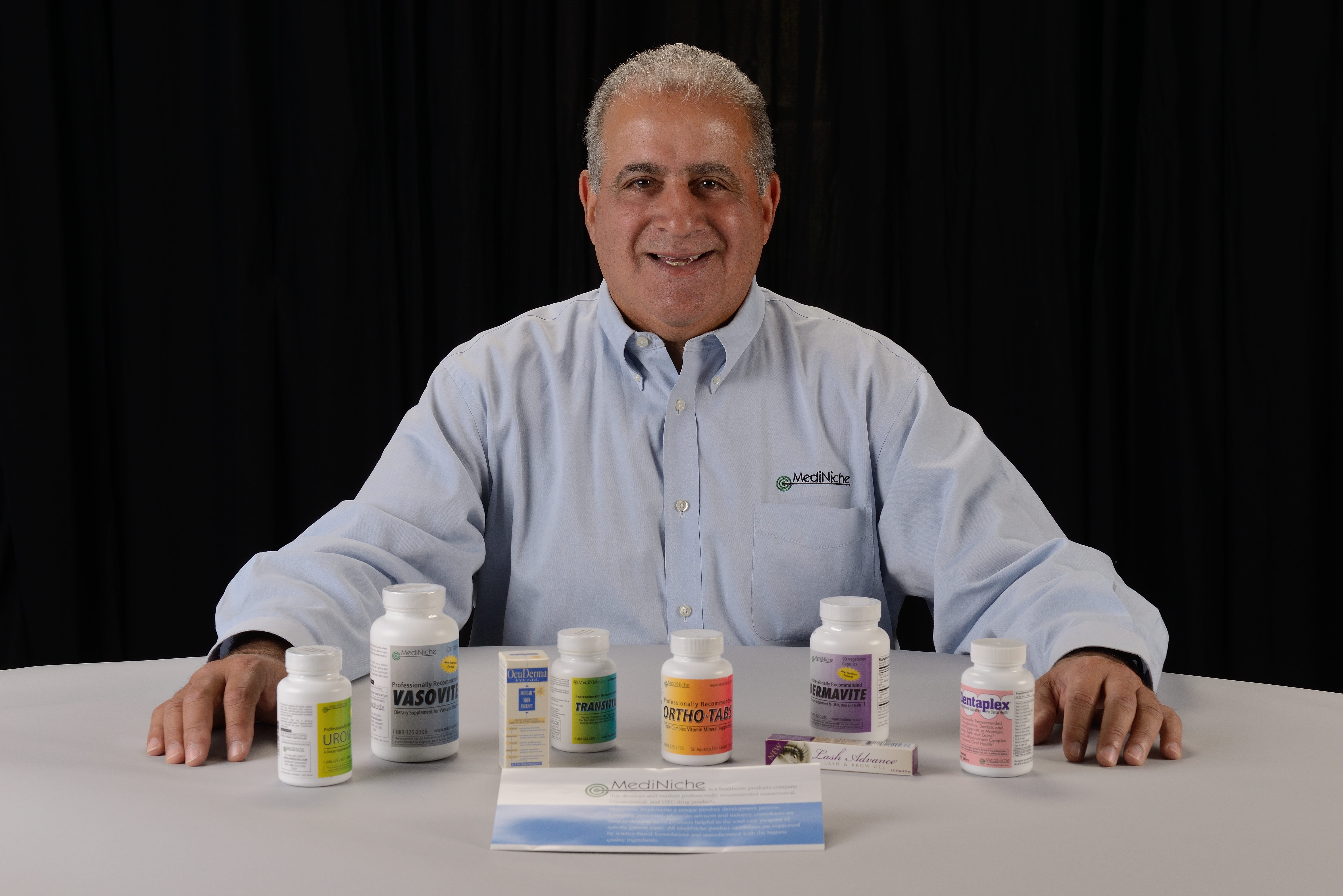
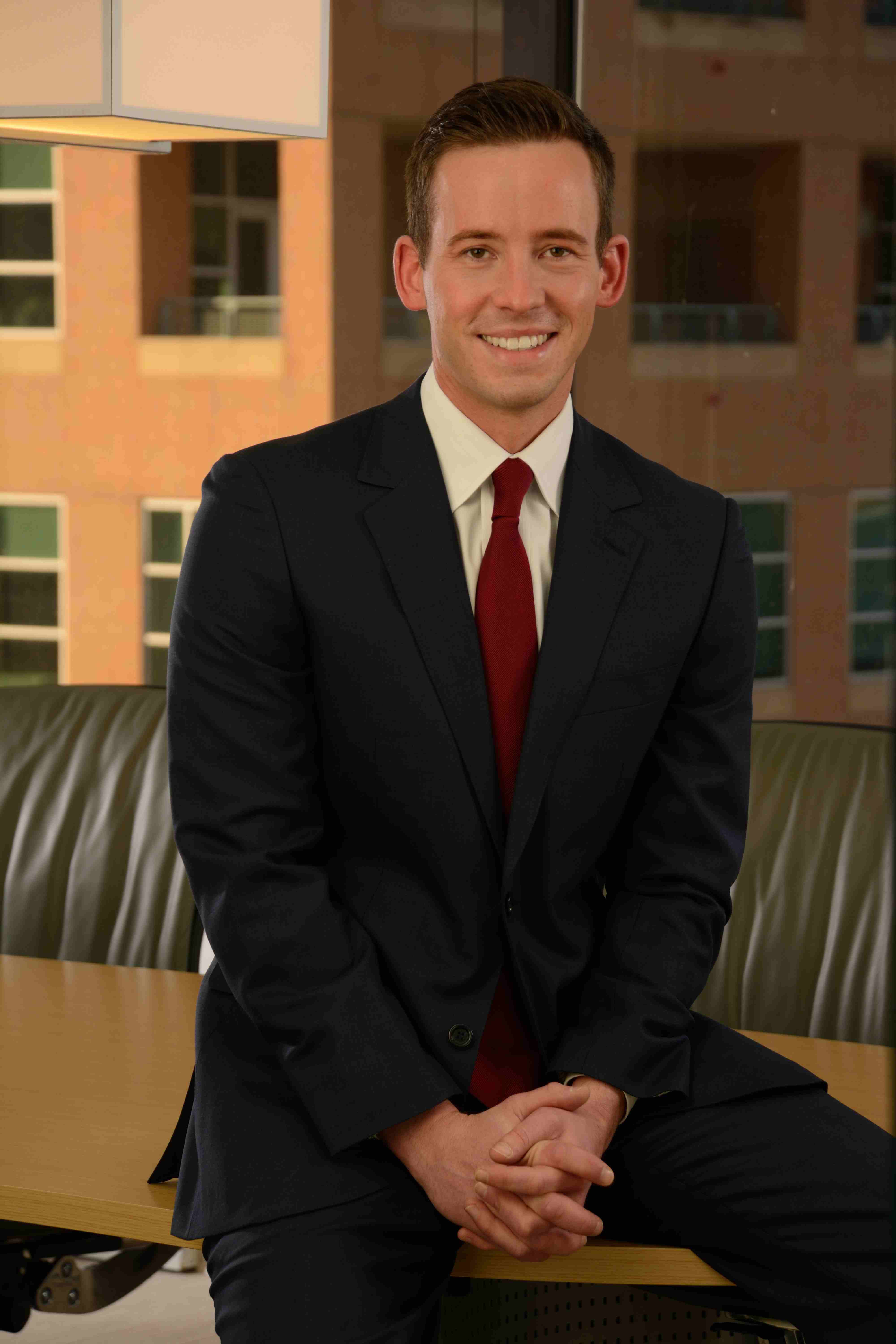
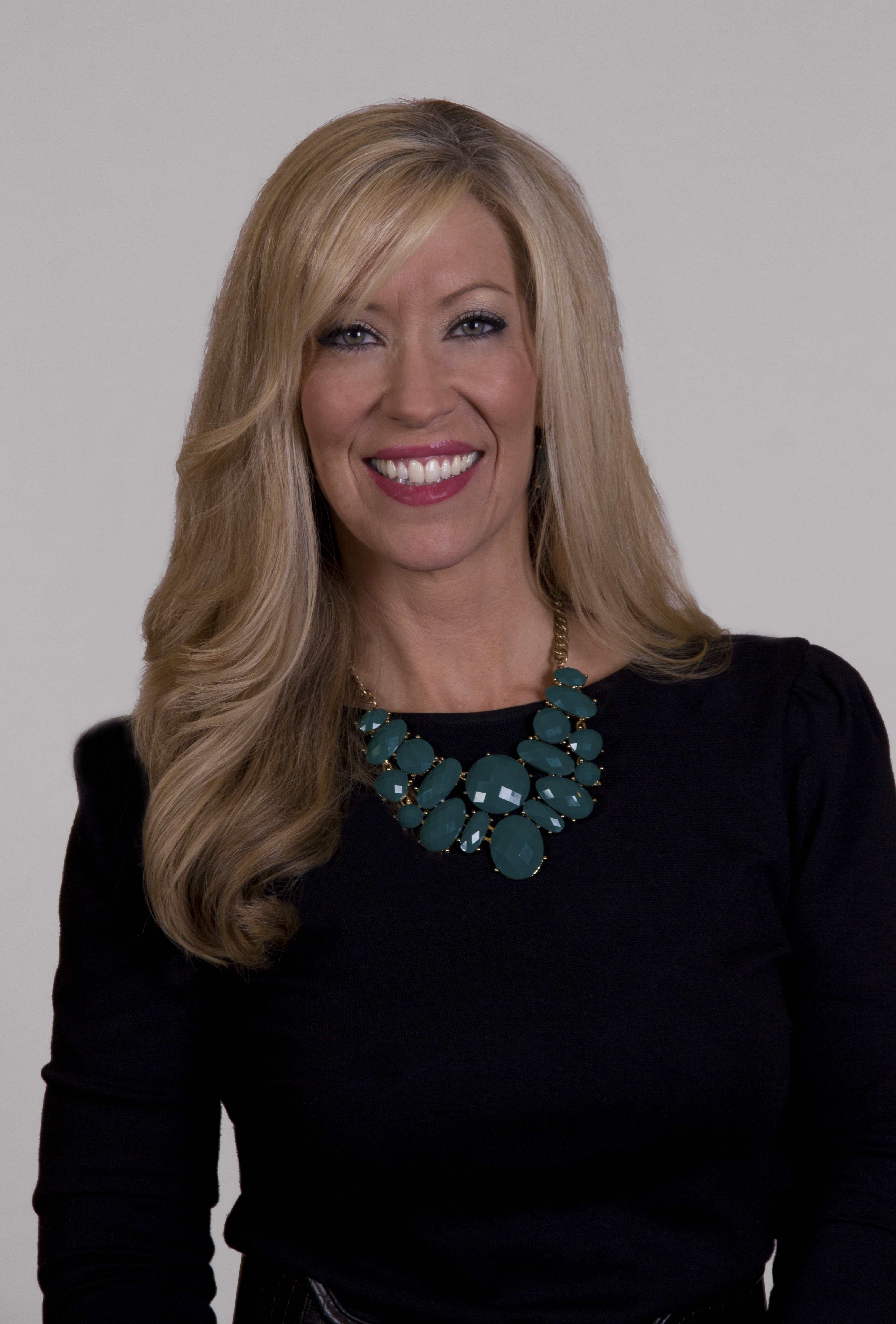
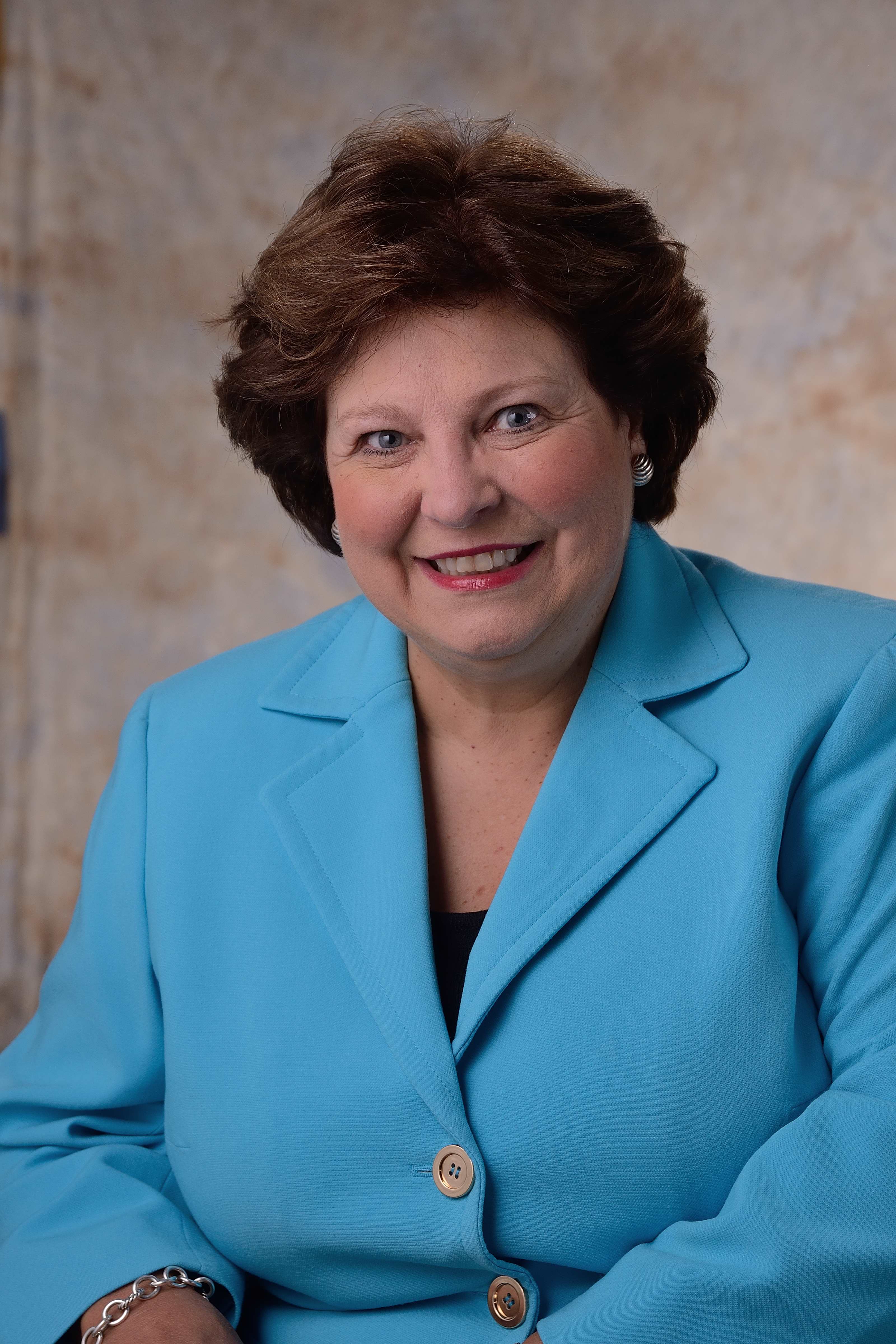
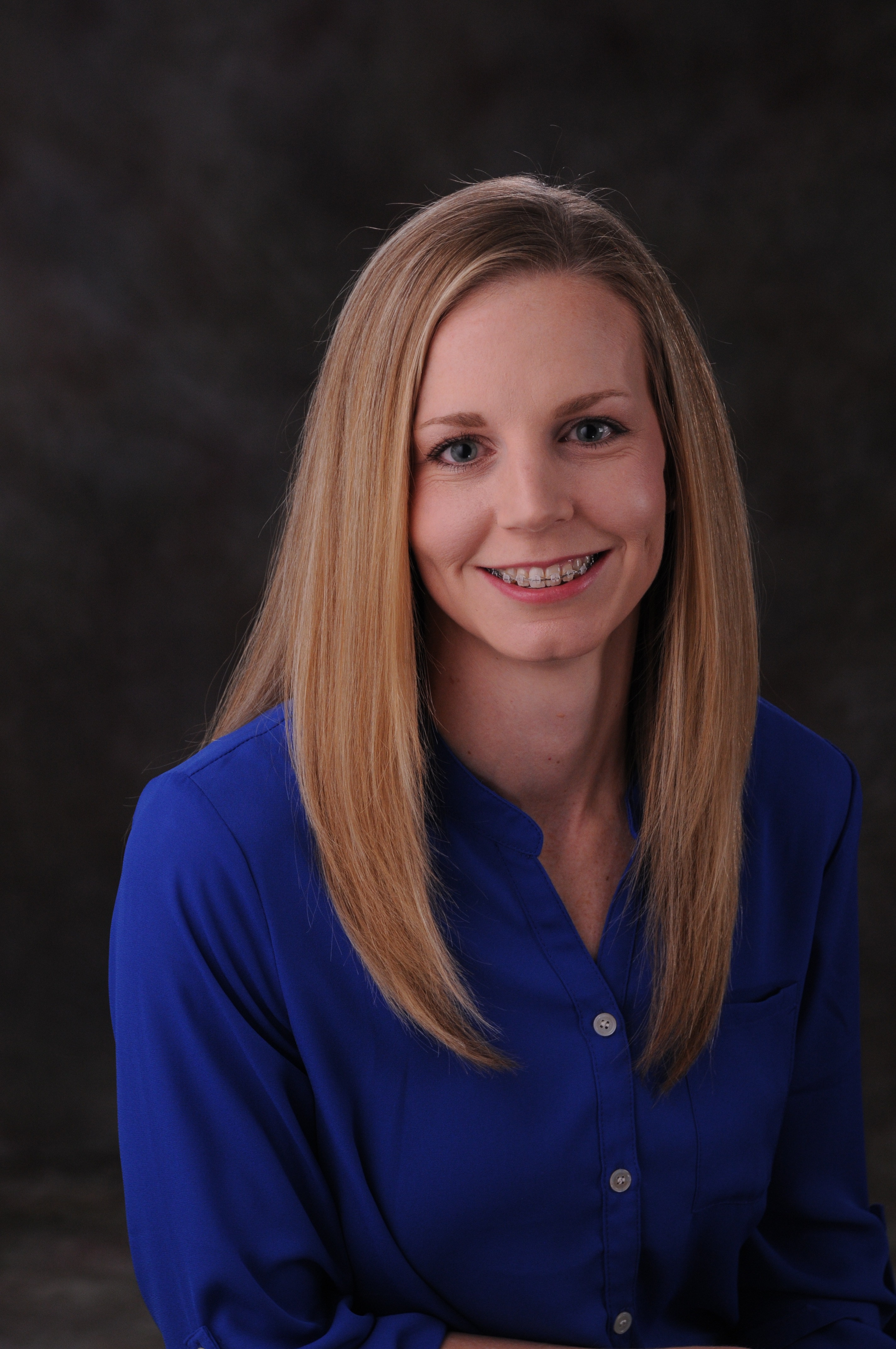
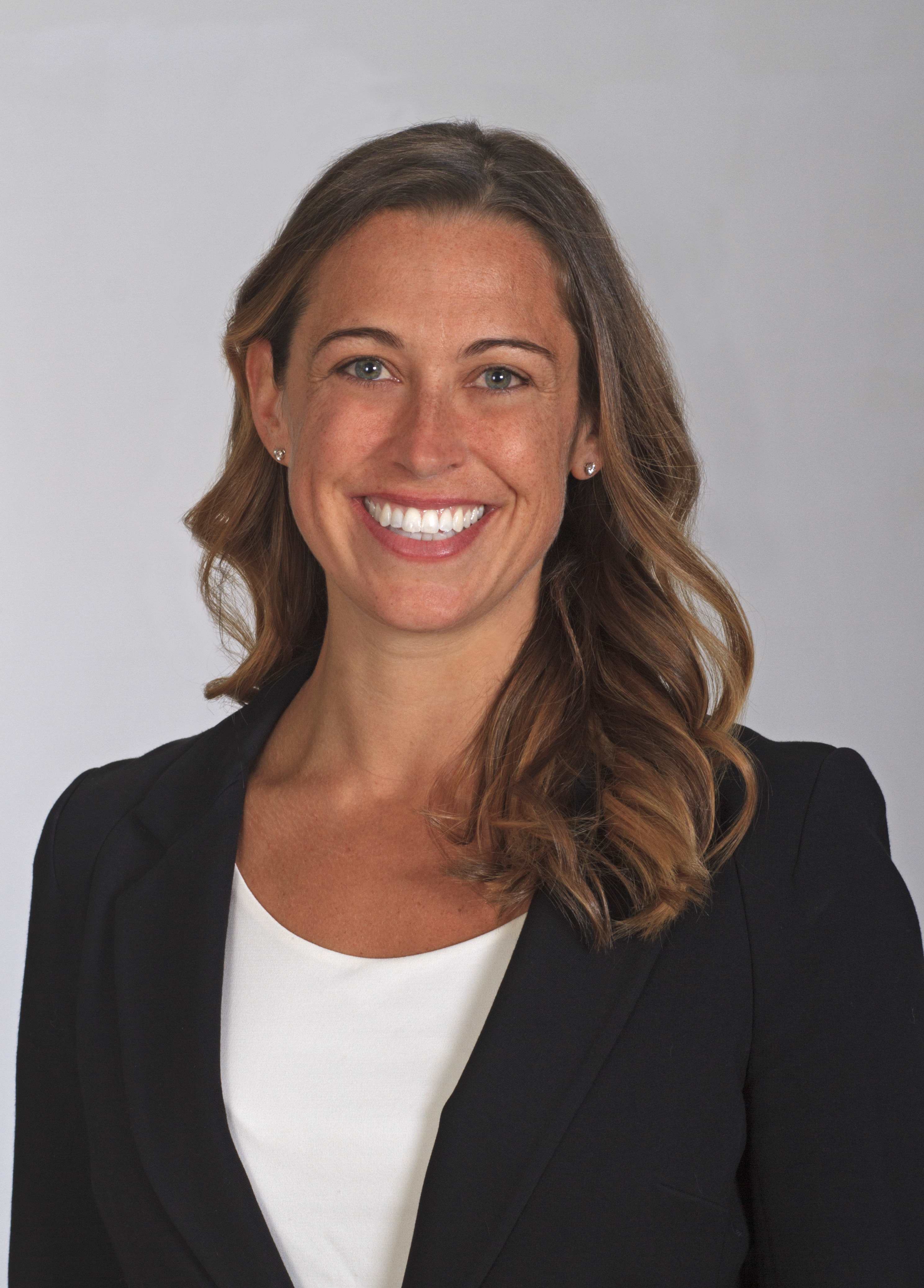
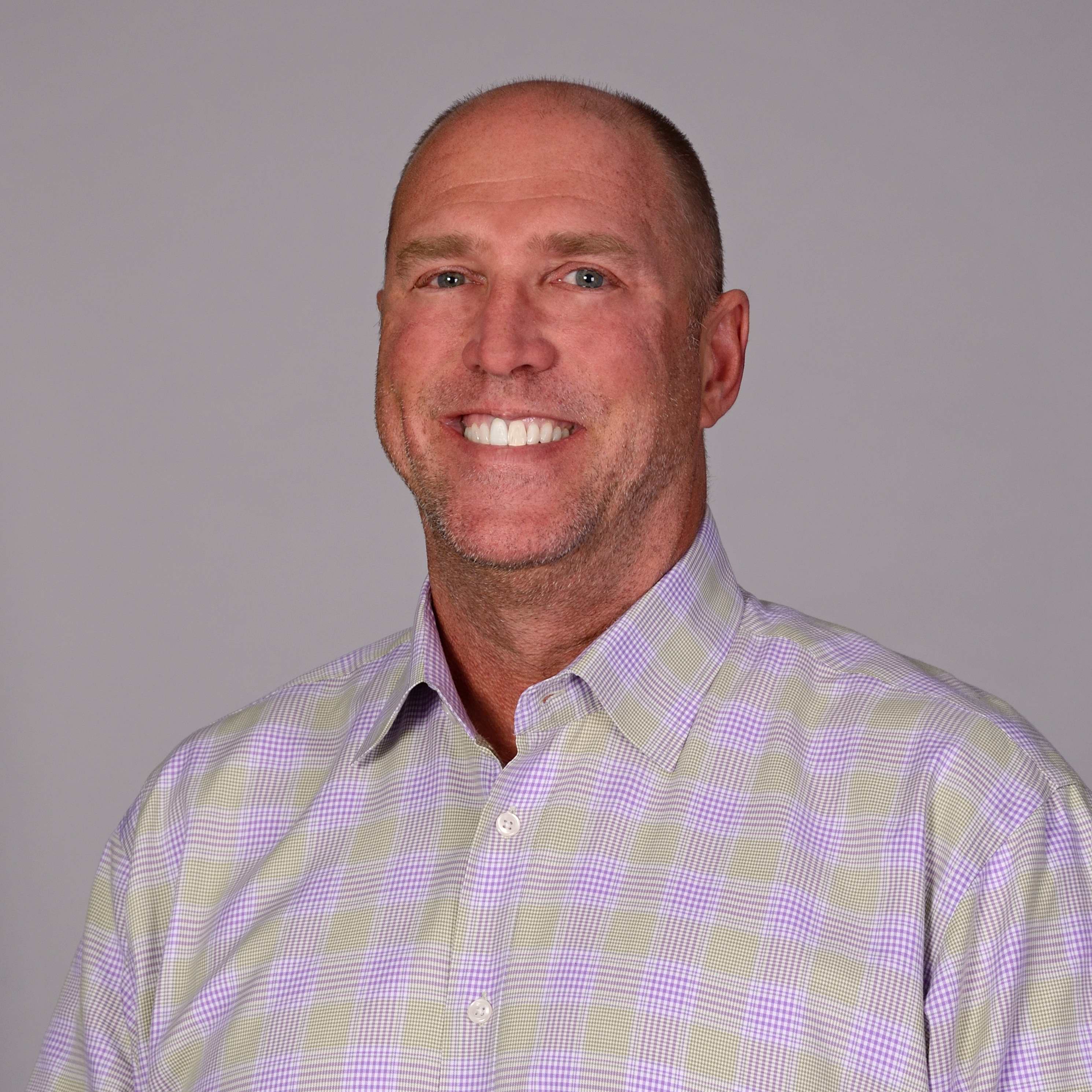
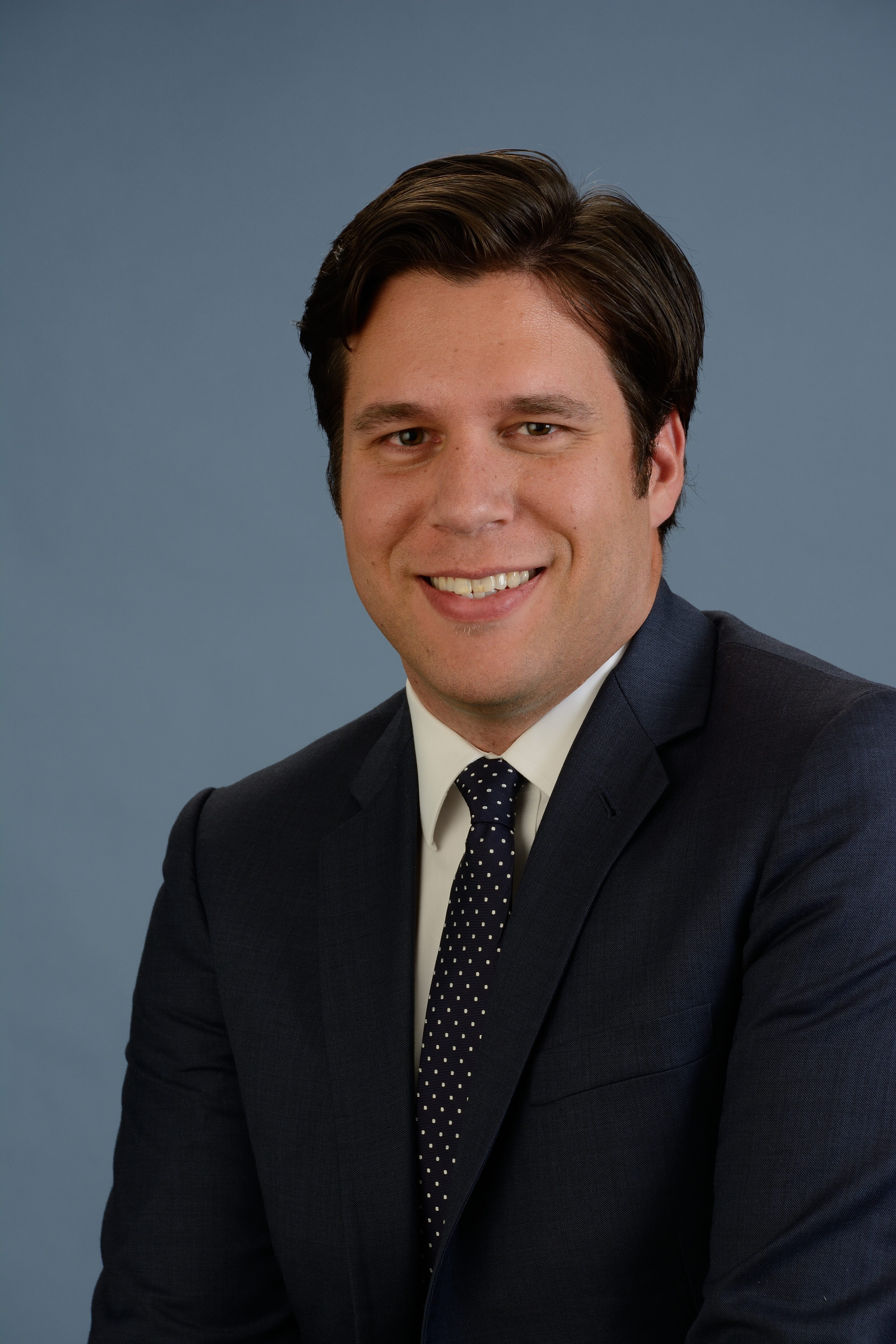
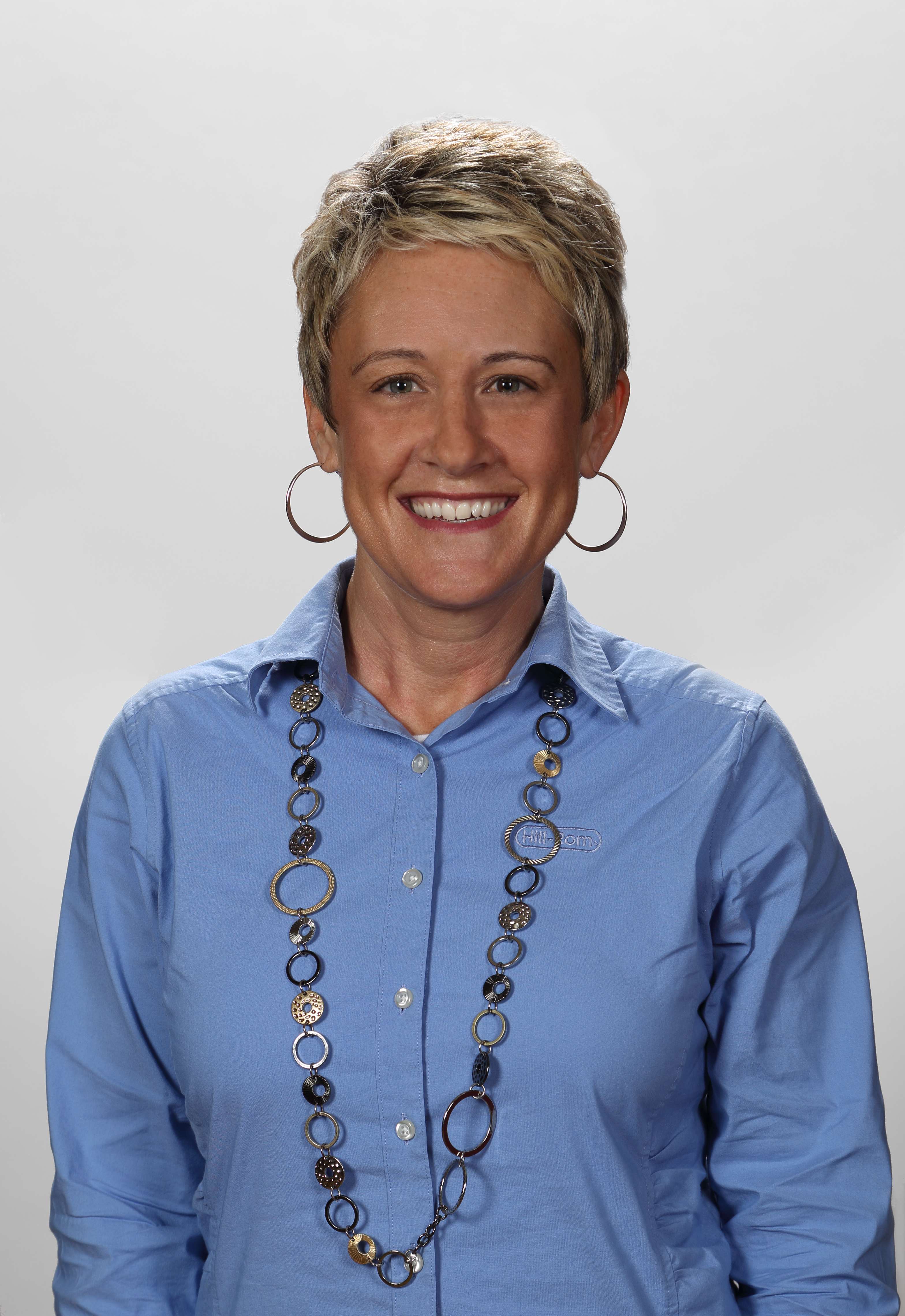
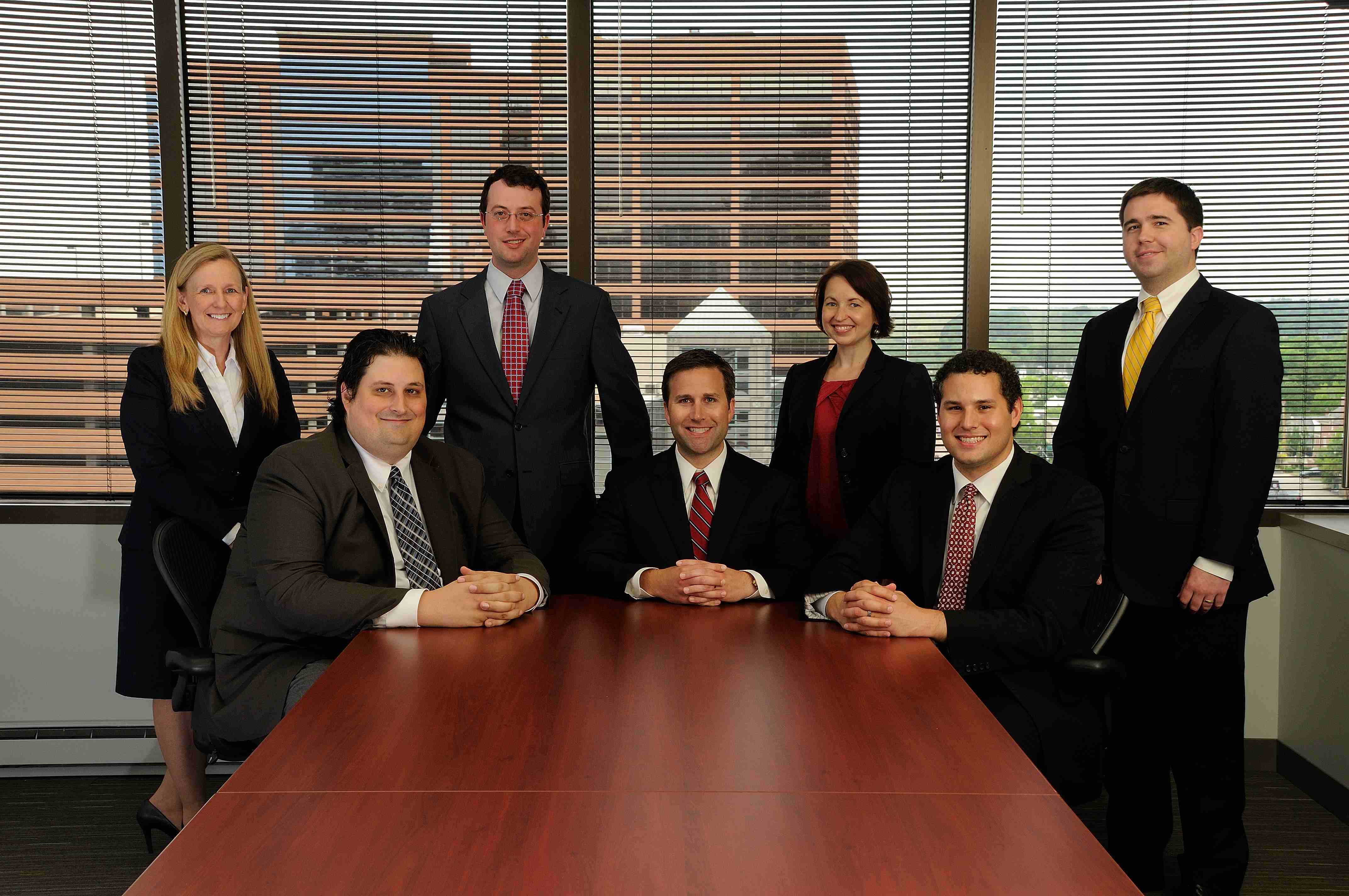
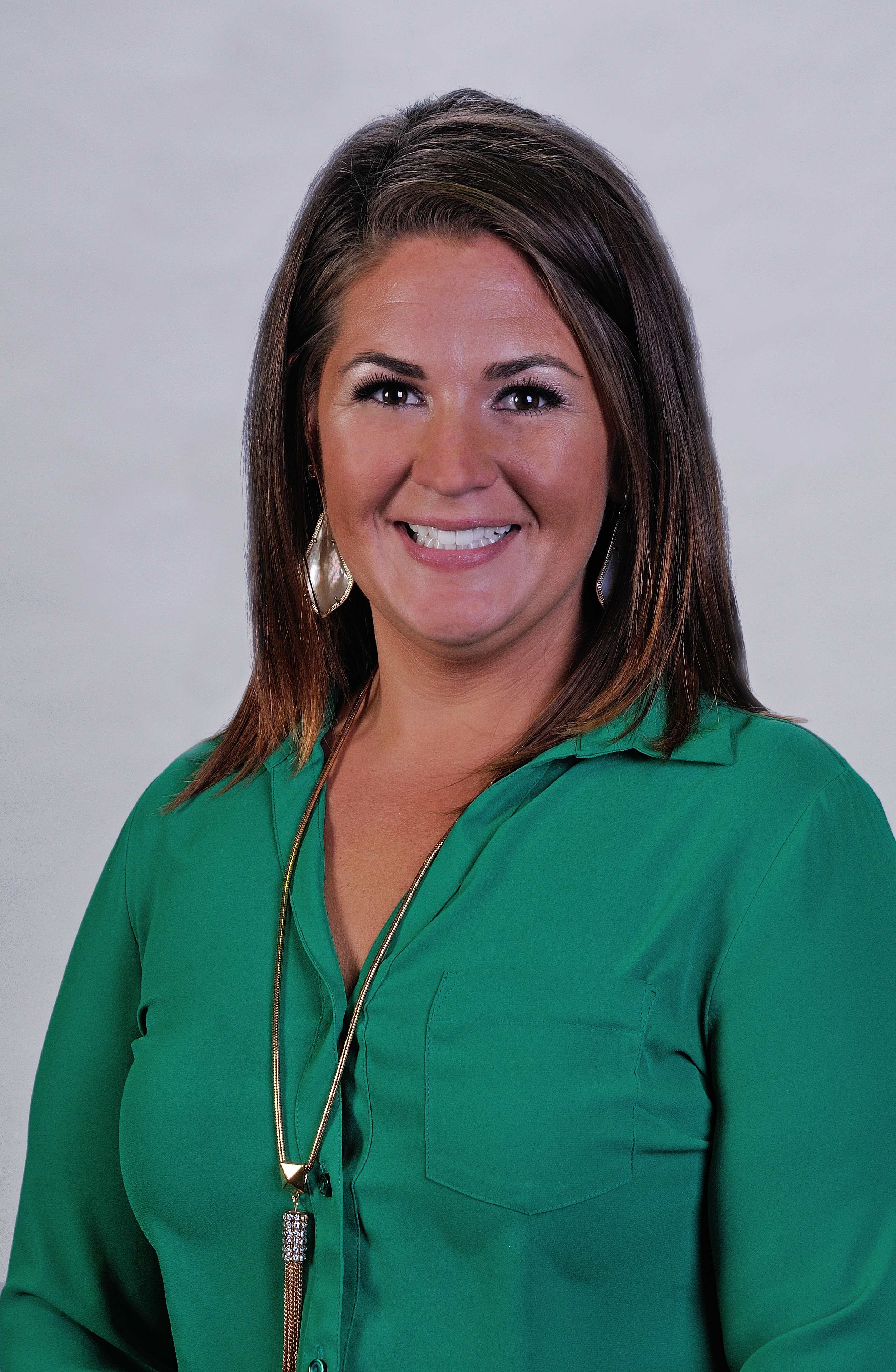
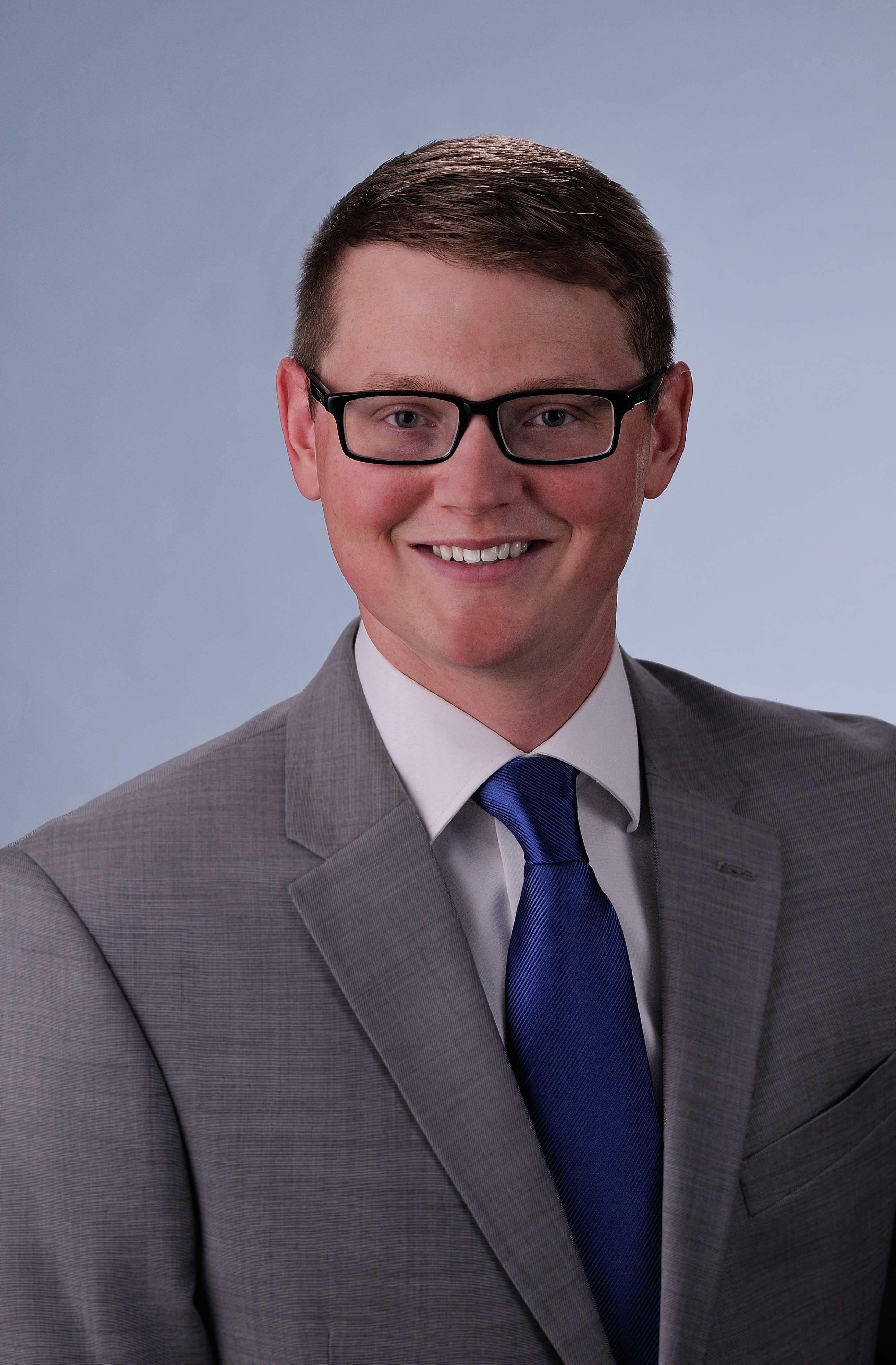
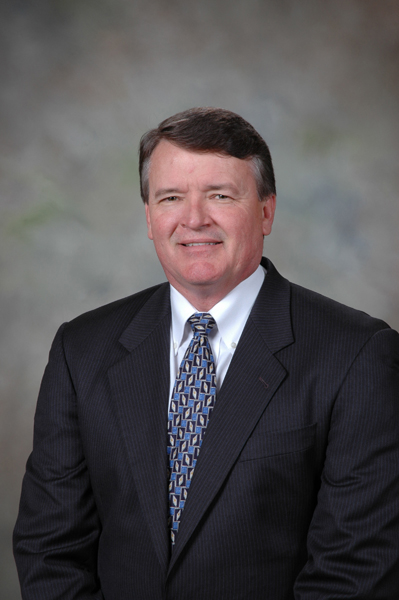
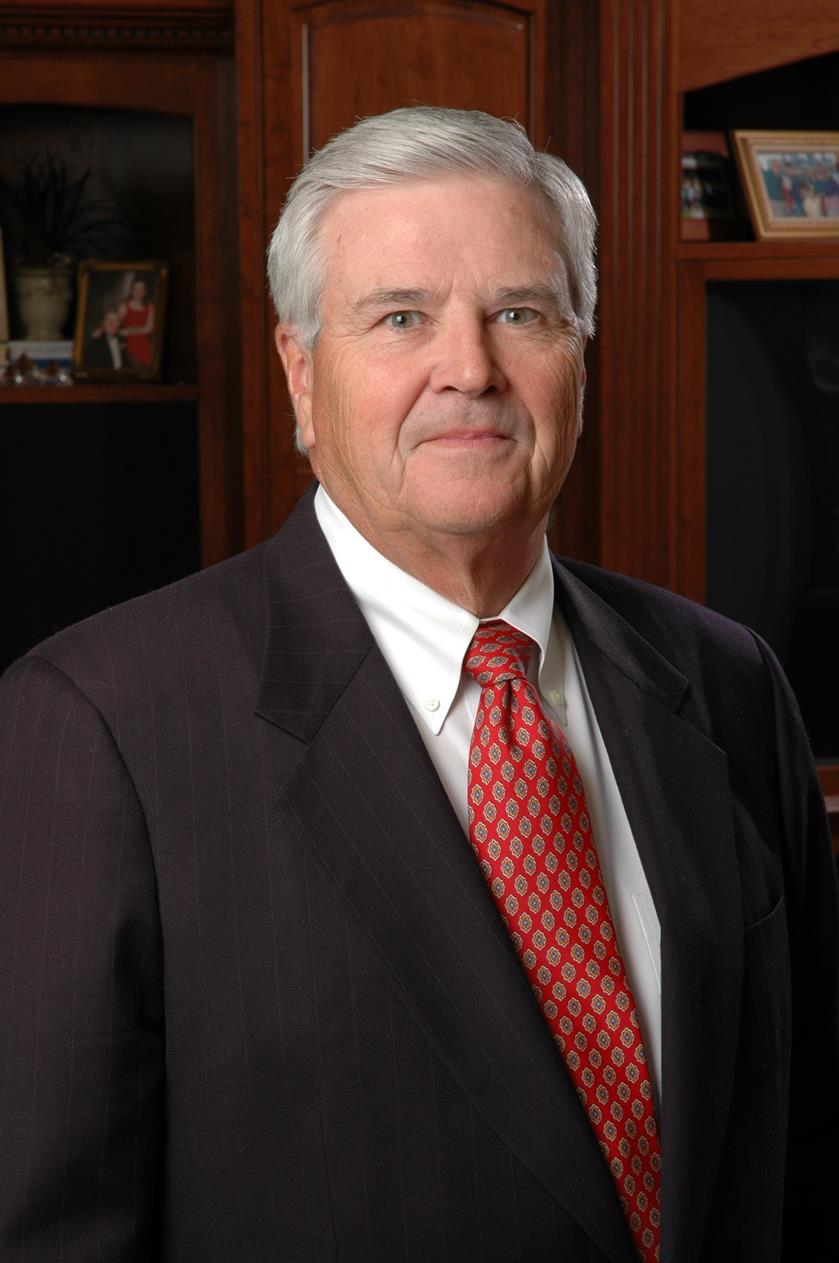
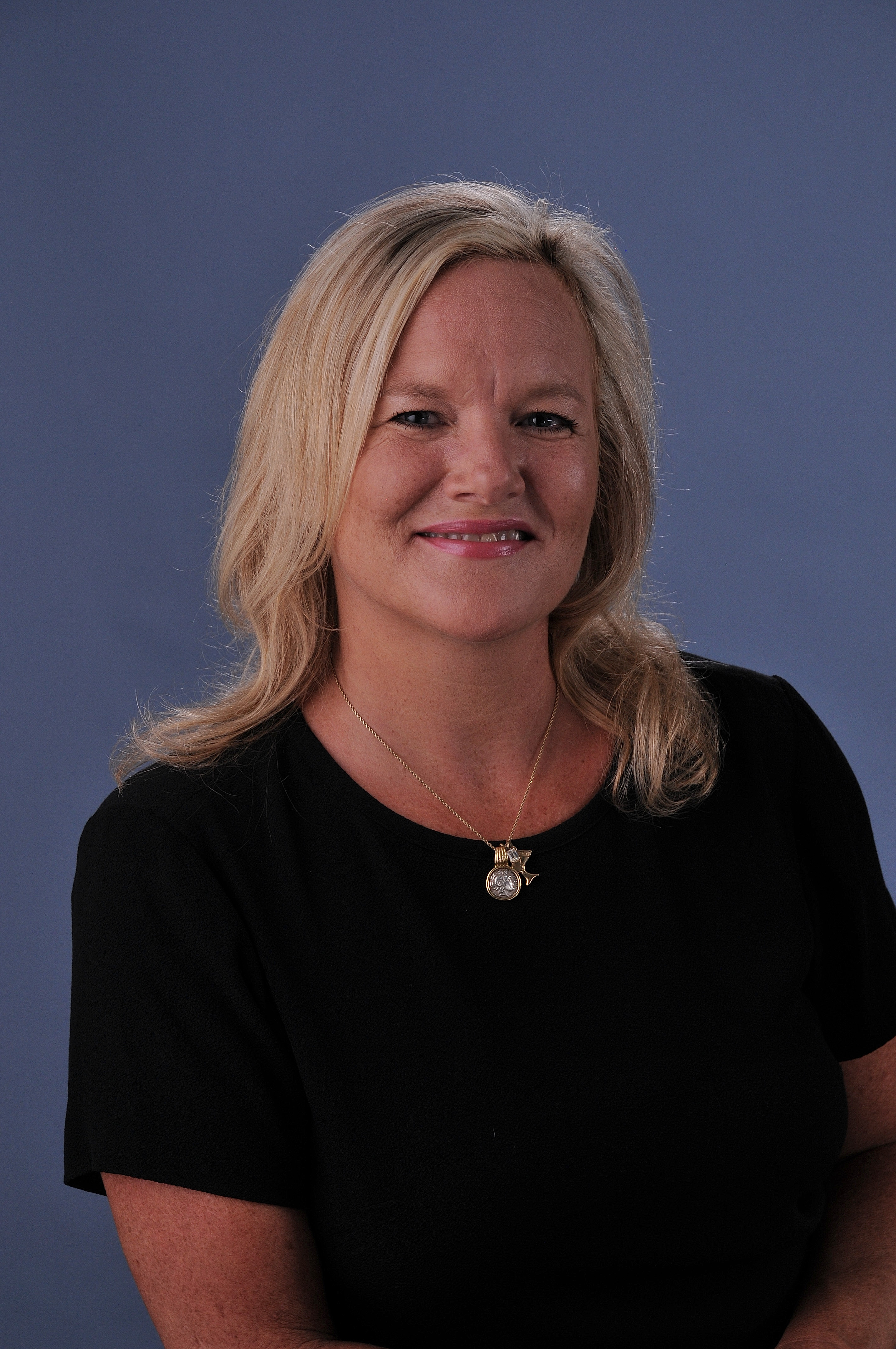
On-site headshots can be extremely cost-effective if you do them like a production, not like a walk-up booth.
The three headshot setups (ranked by quality-to-speed)
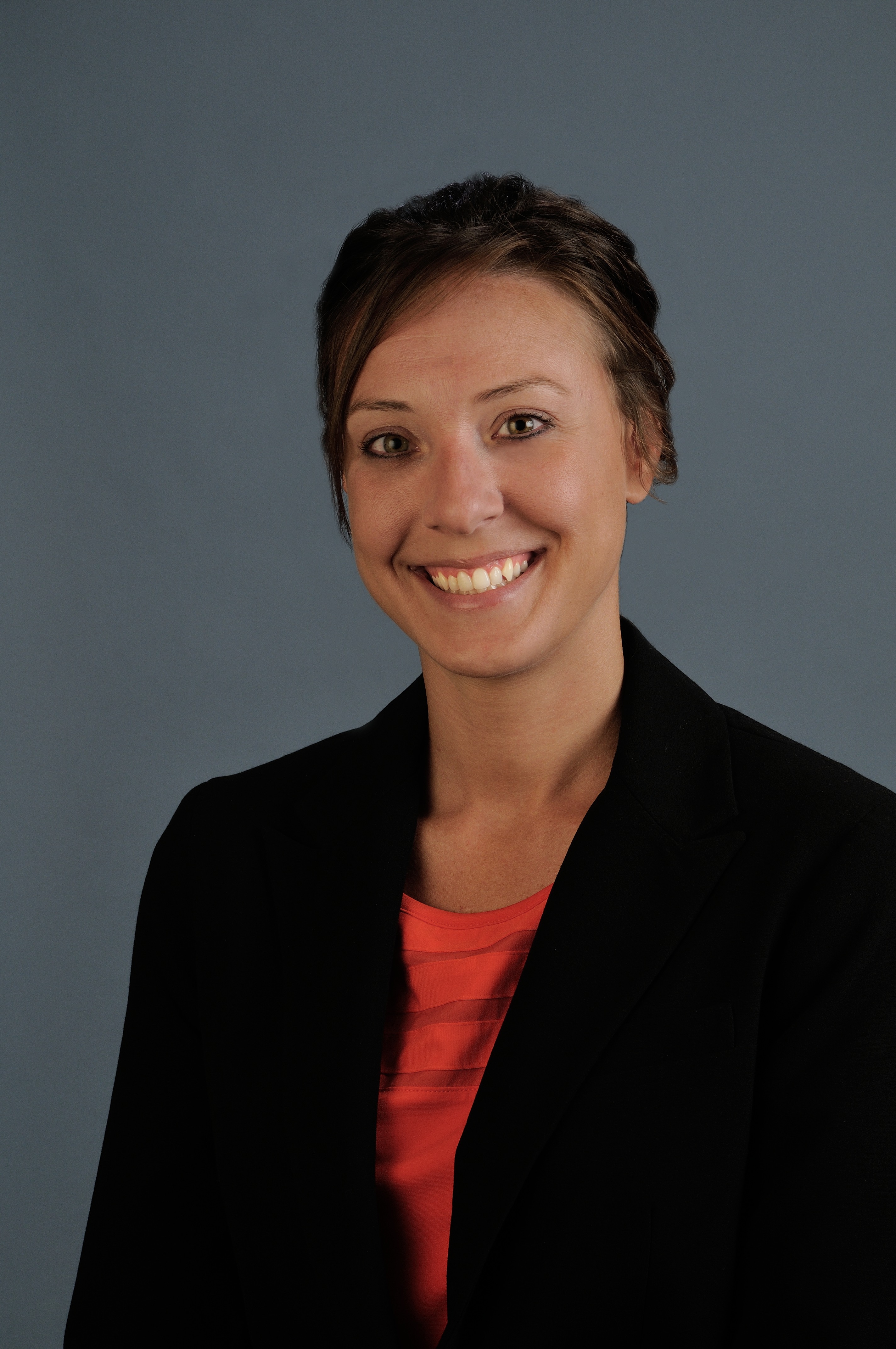
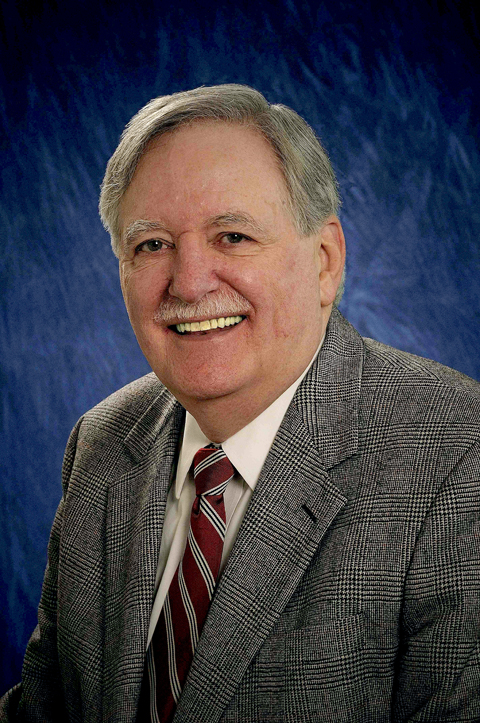
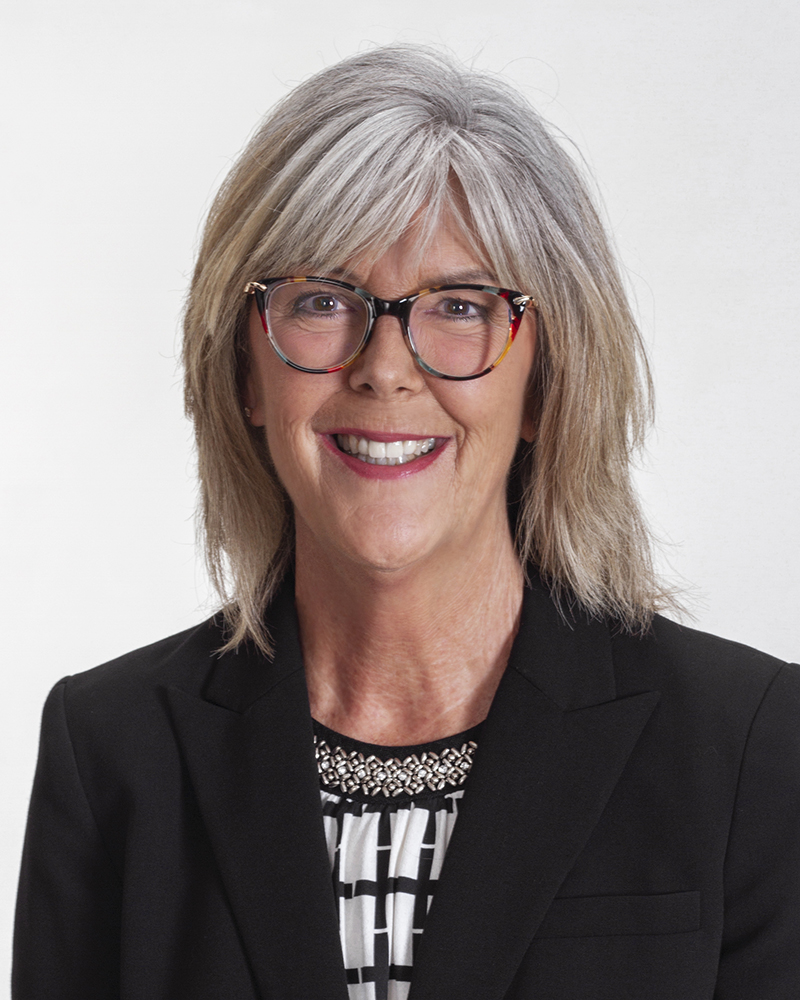
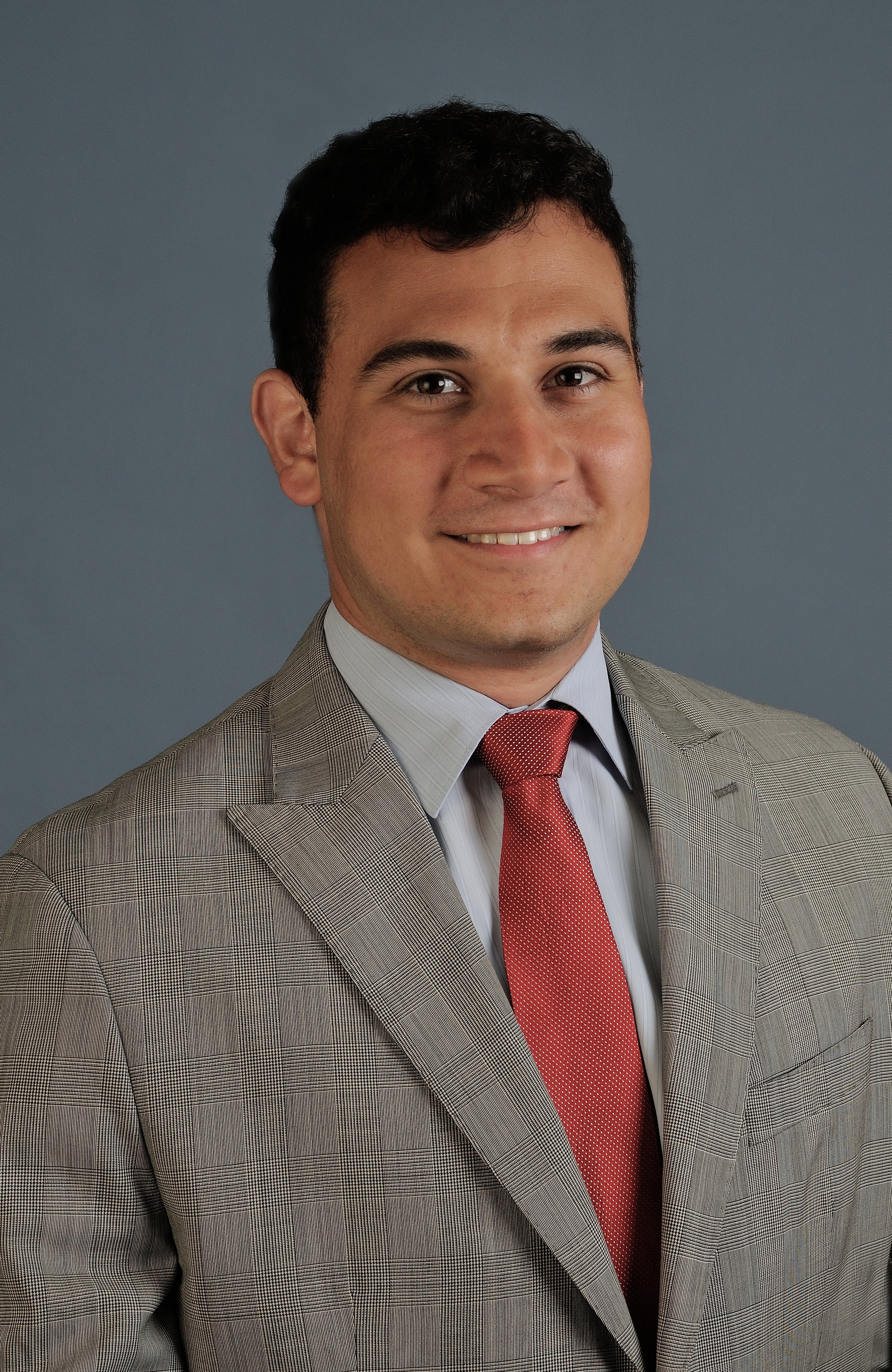
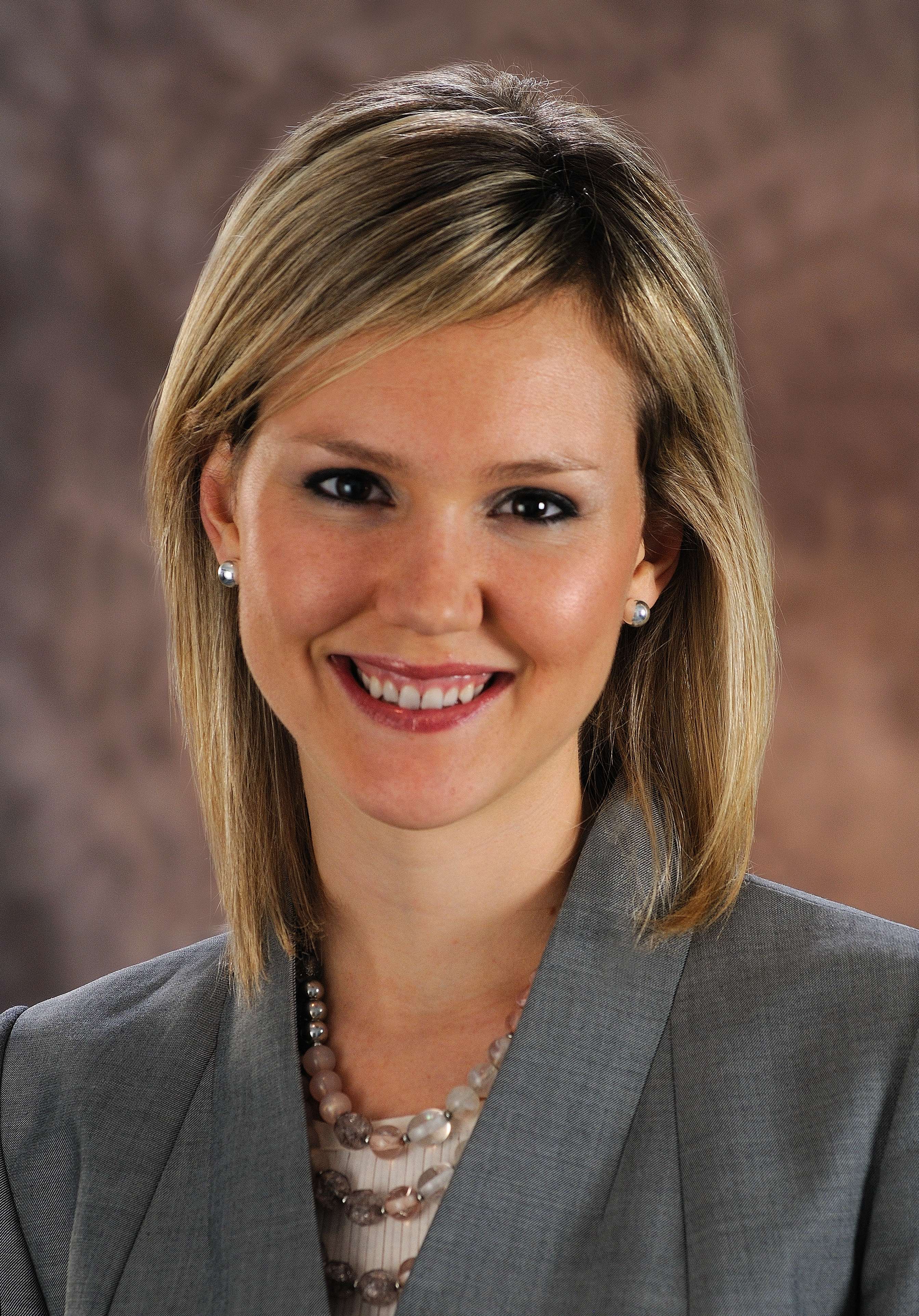
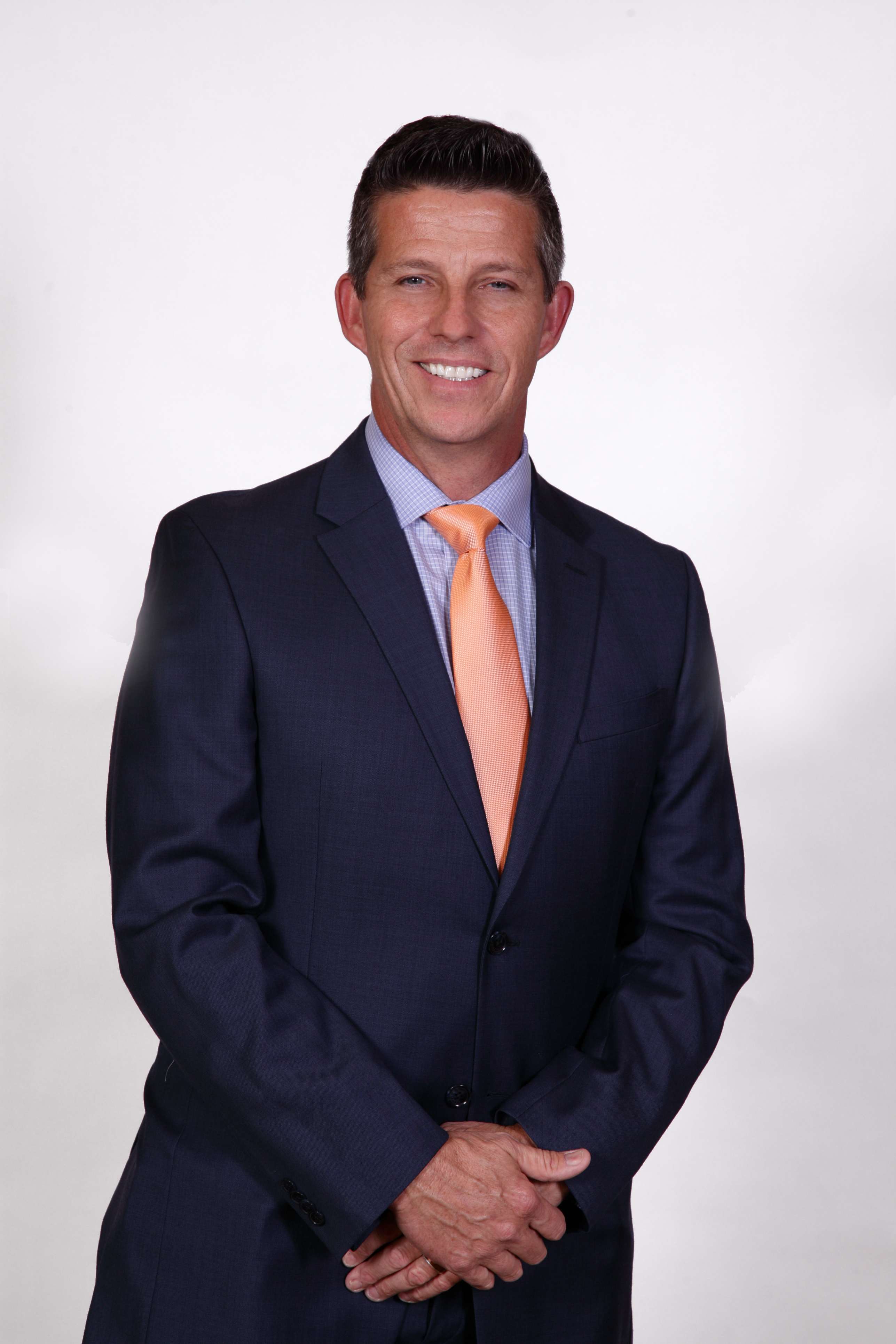
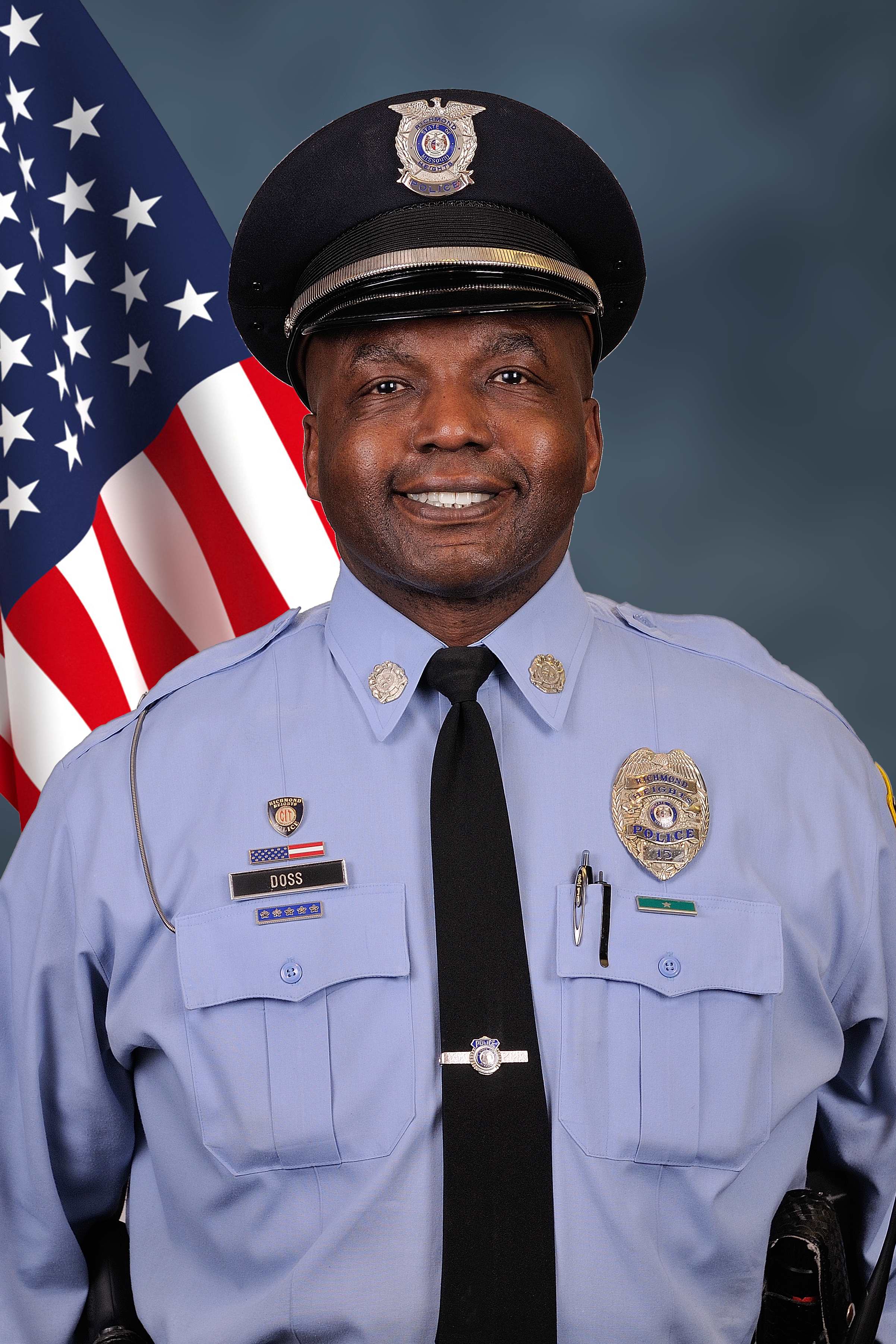
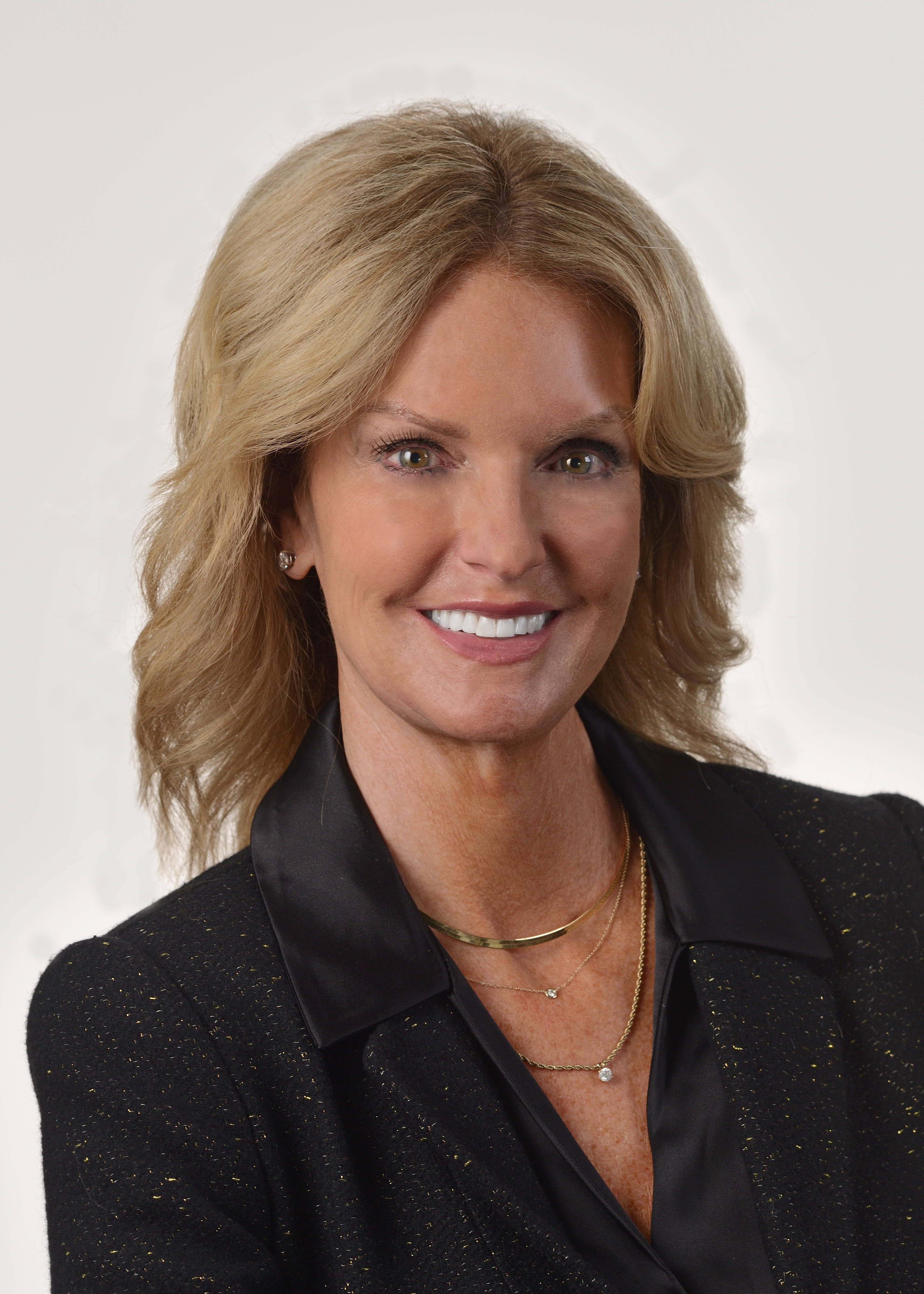
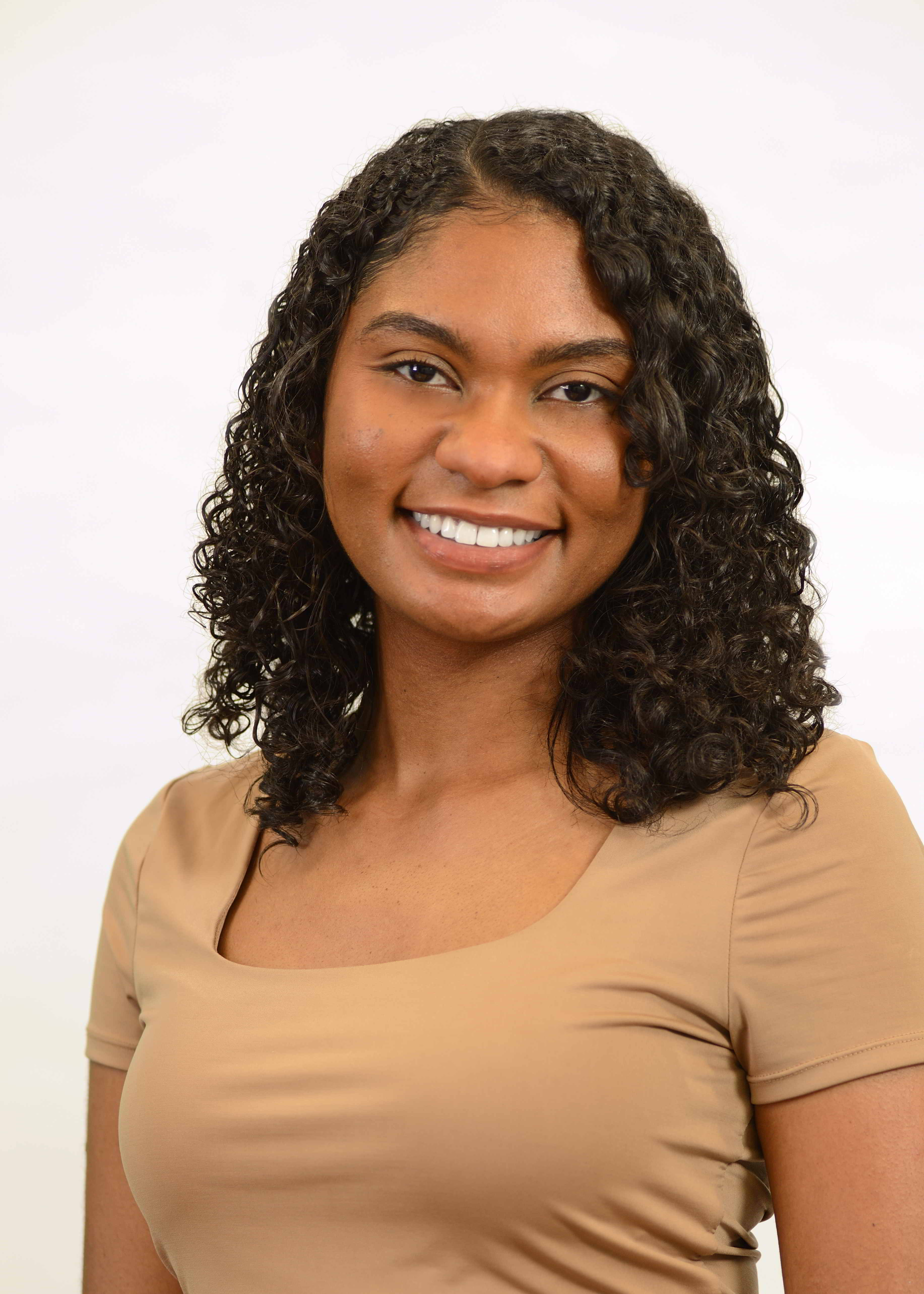
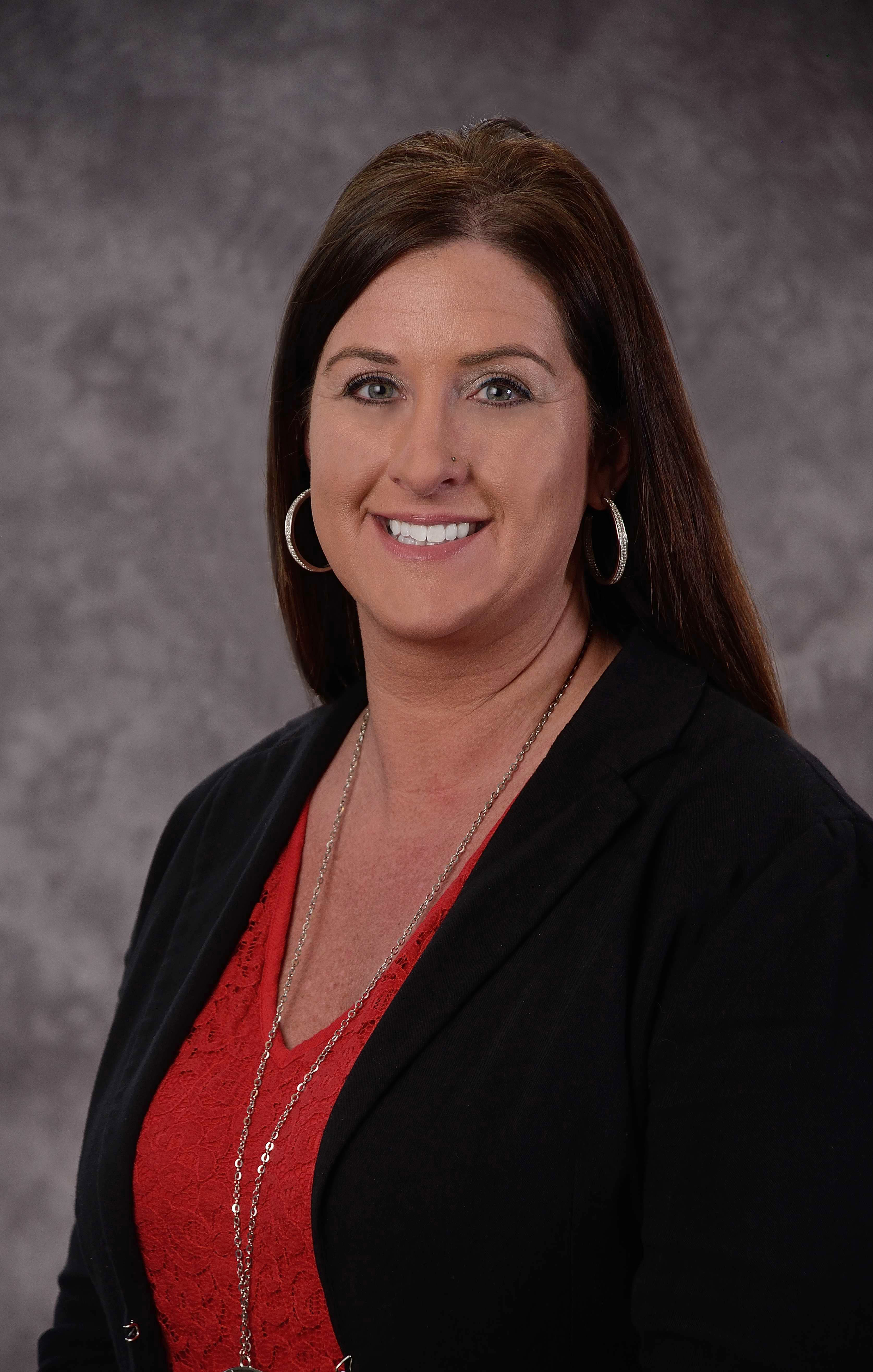
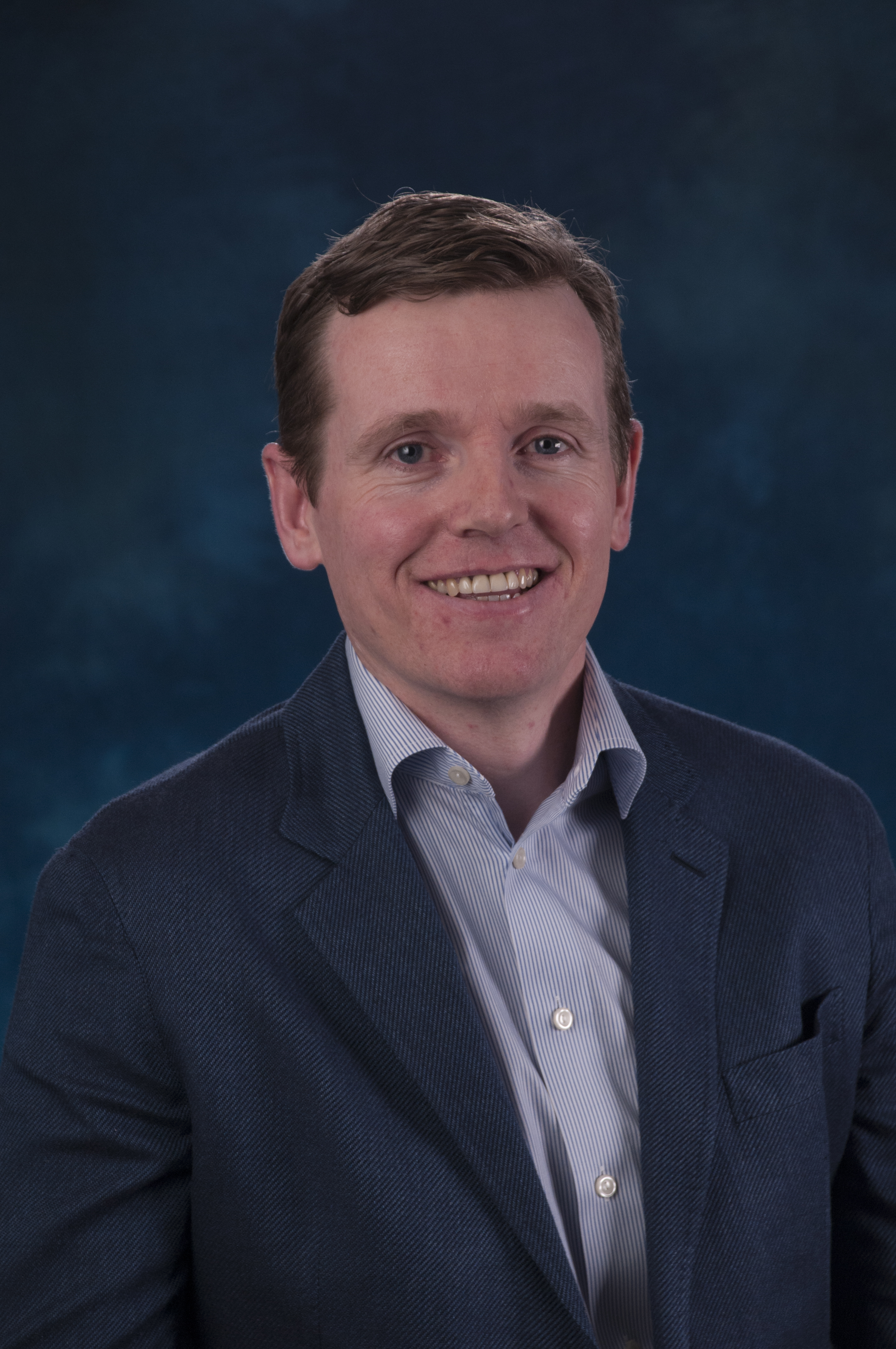
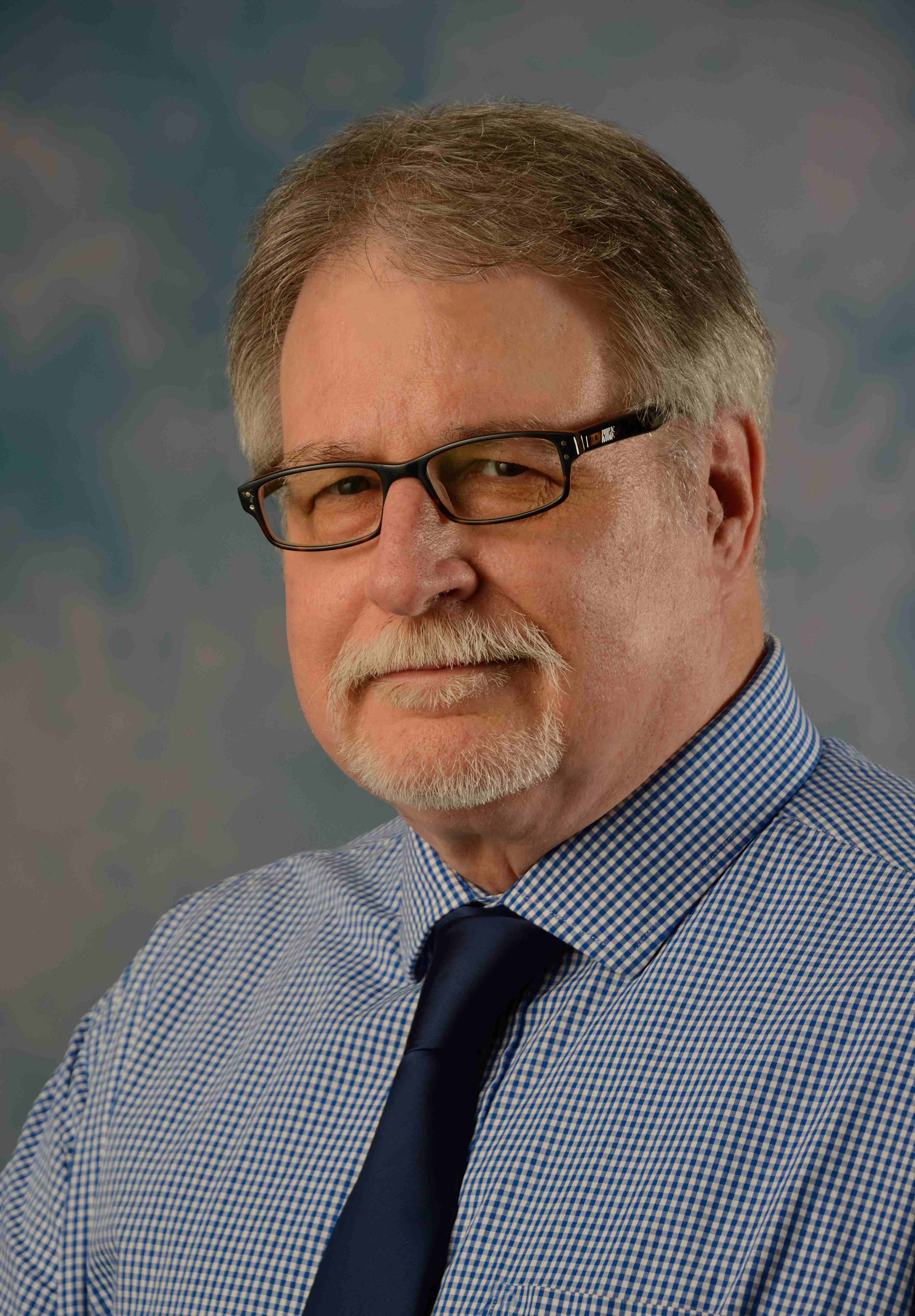
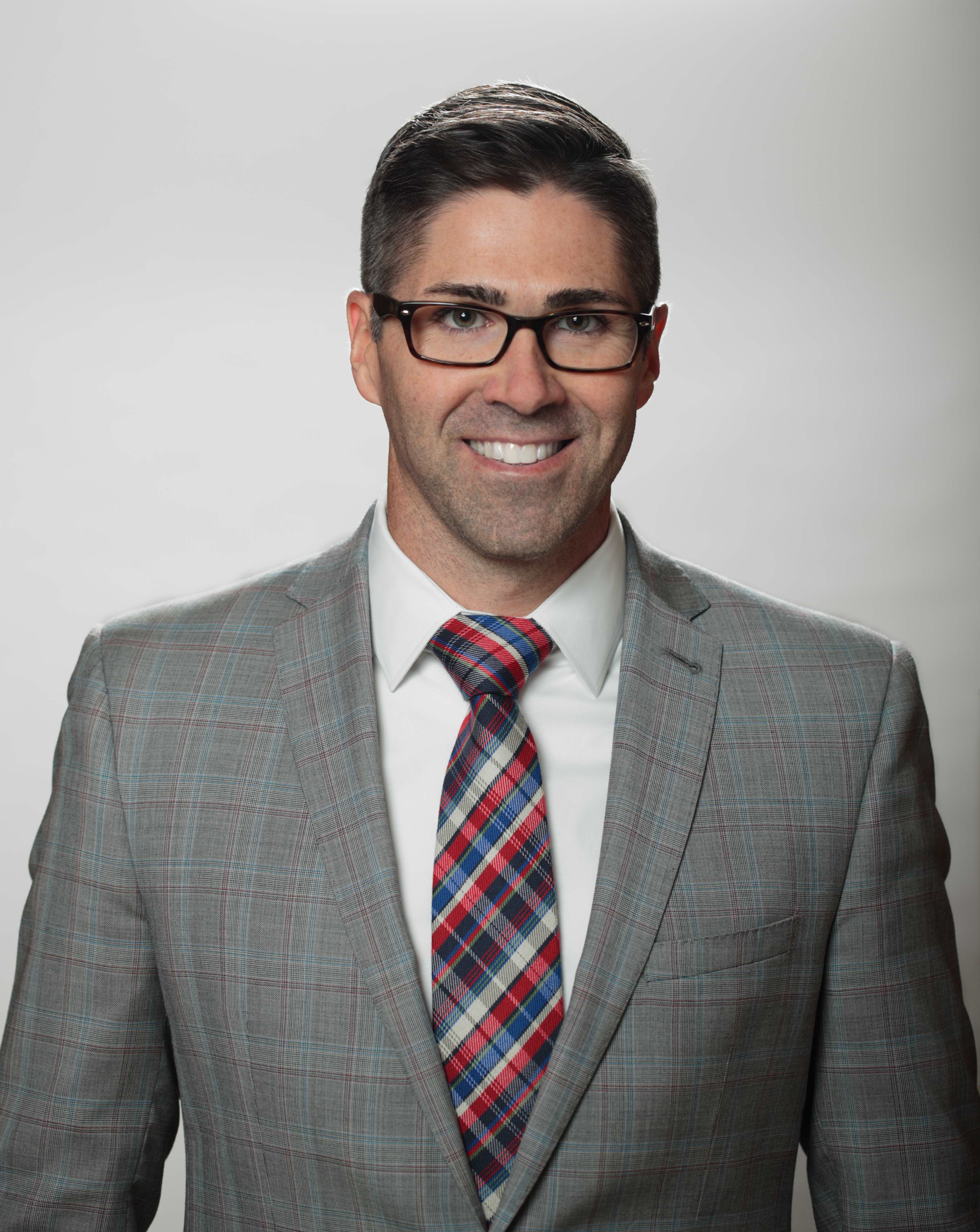
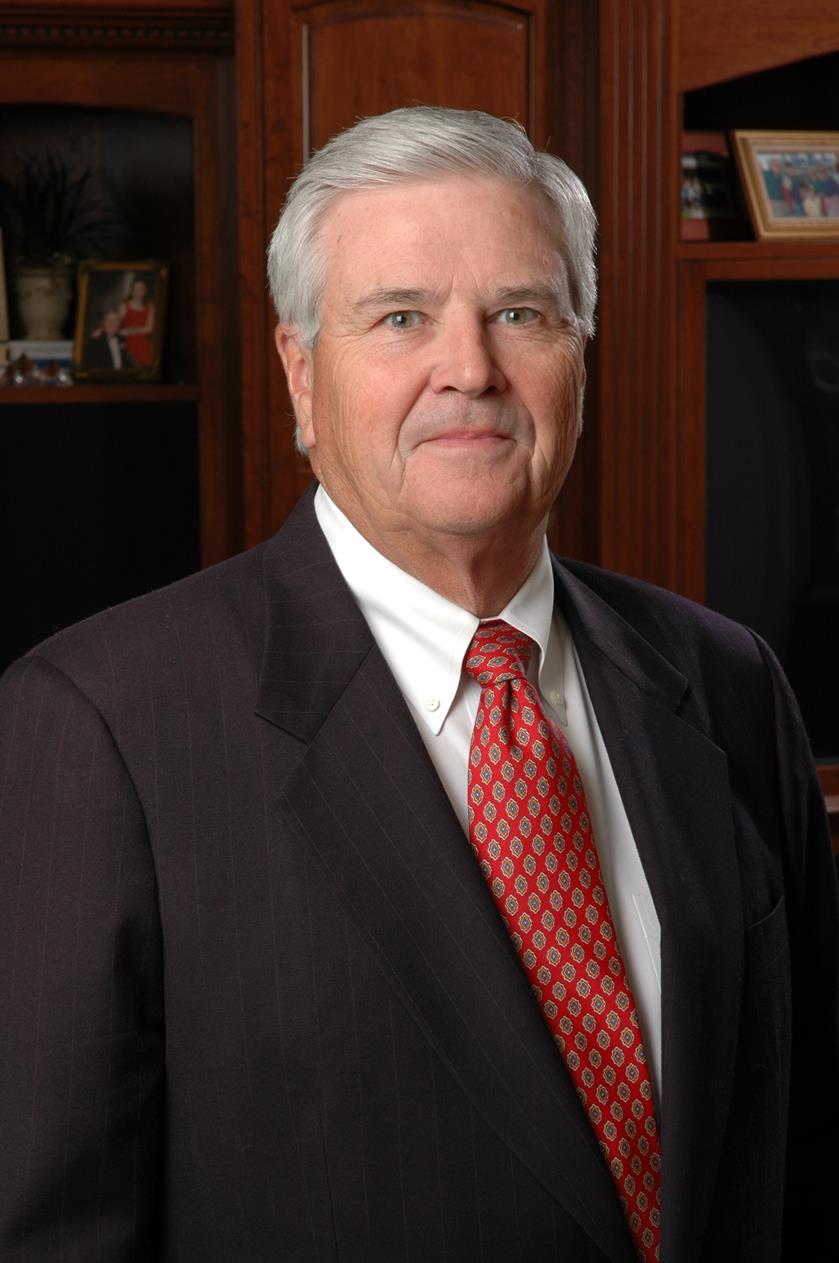
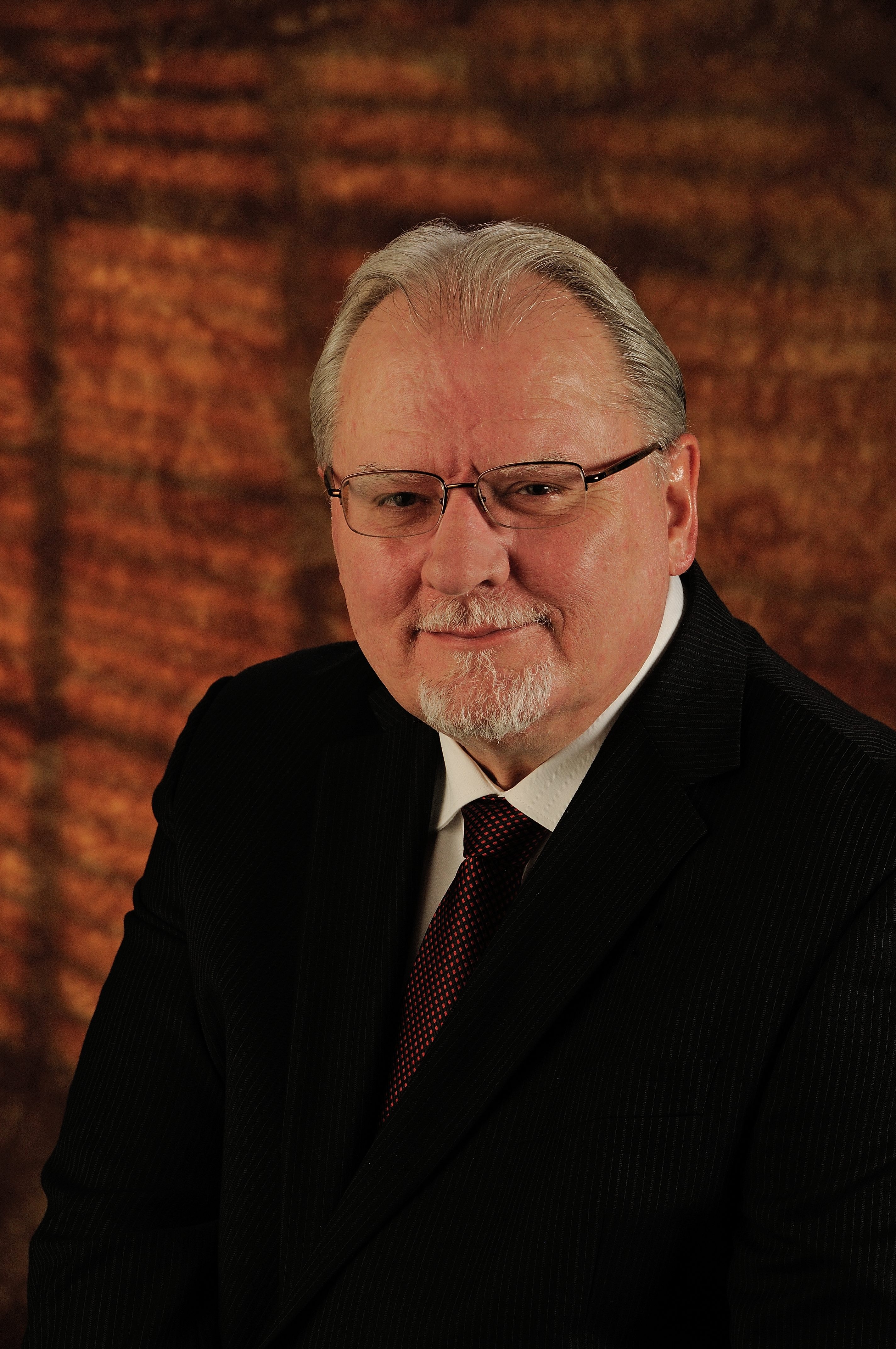
A) Mobile studio headshots (best balance)
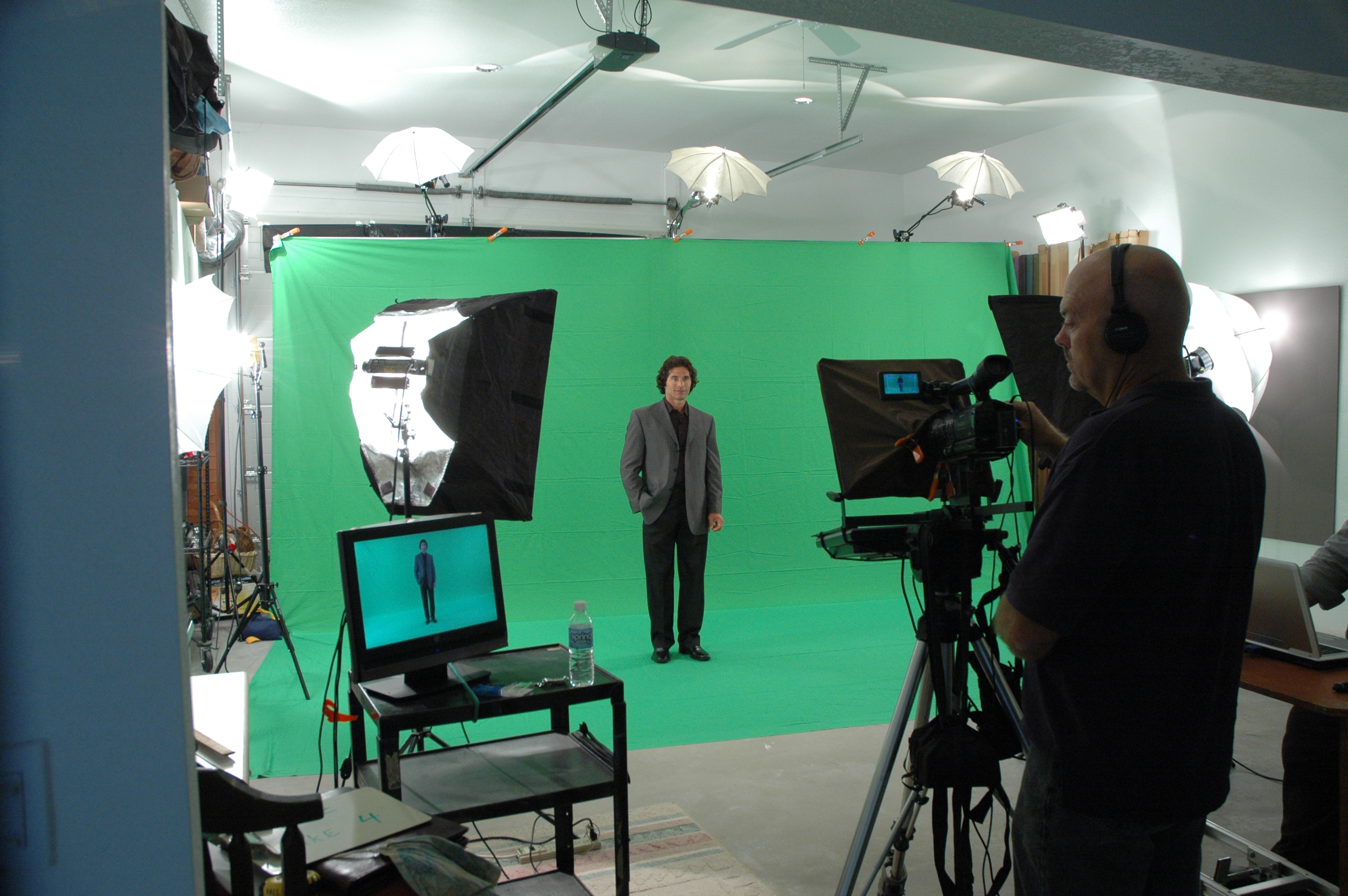
- Portable background + controlled lighting
- Consistent look across people
- Fast enough to run continuously
- Great for executives, award recipients, speakers, sponsors
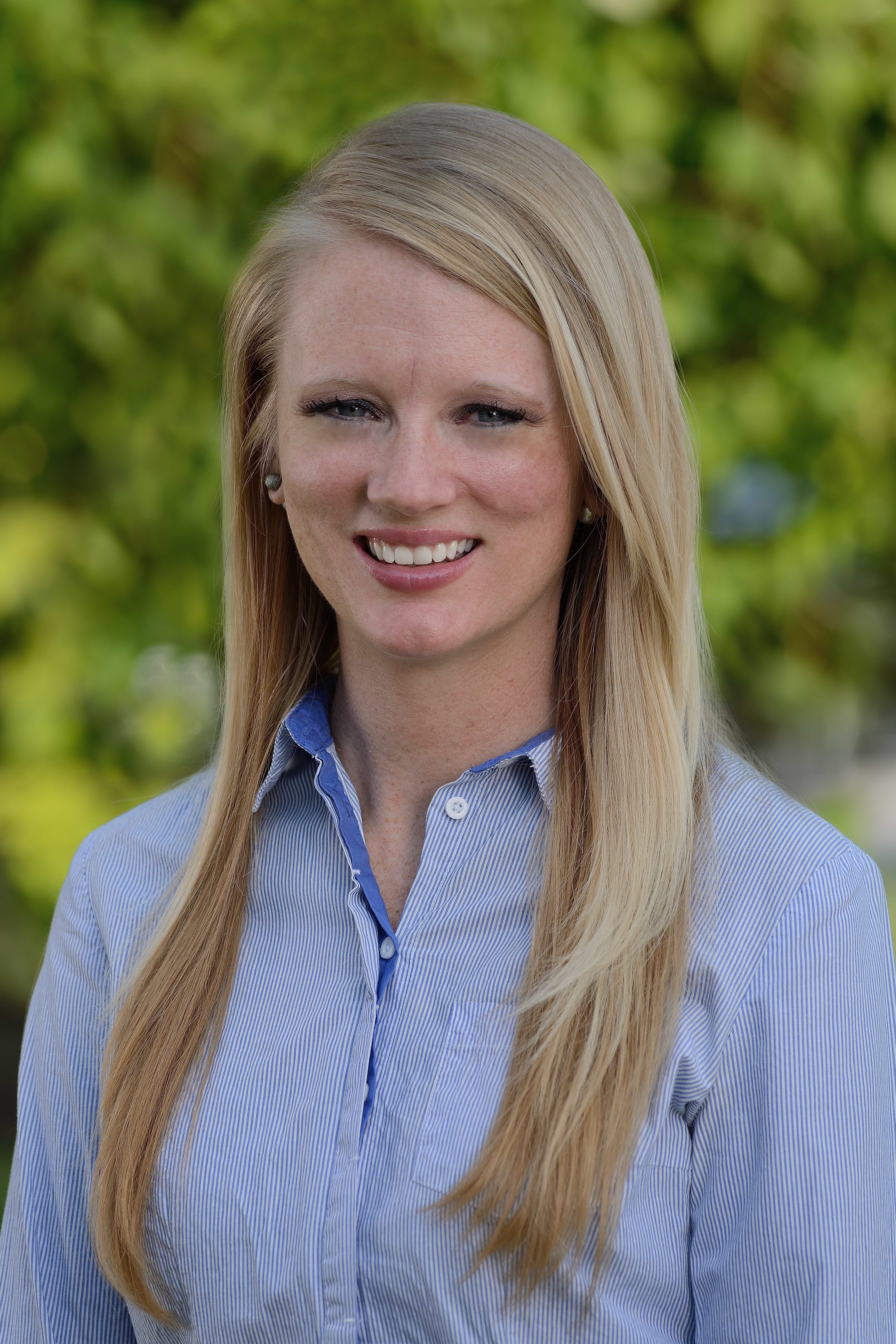
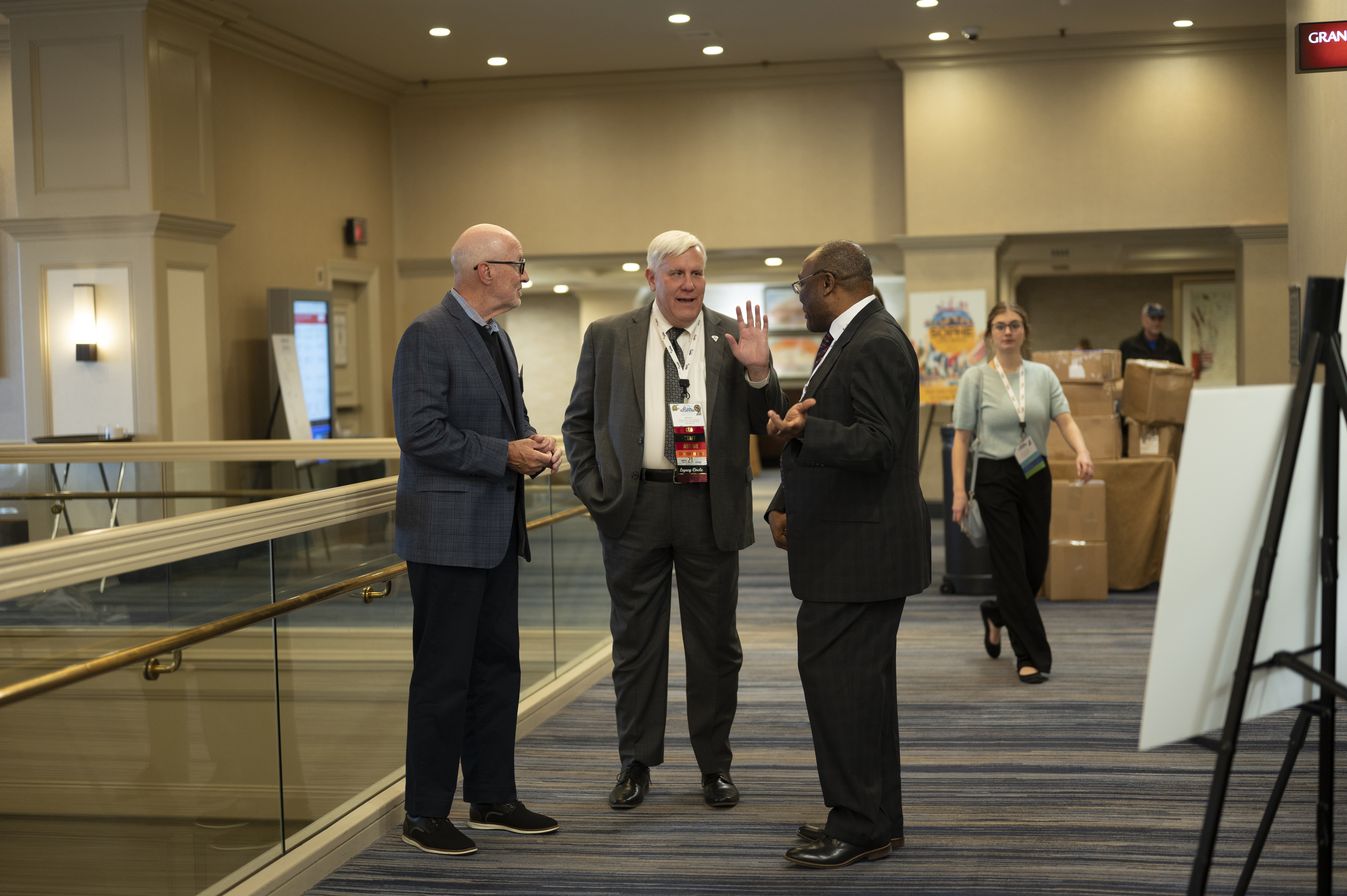
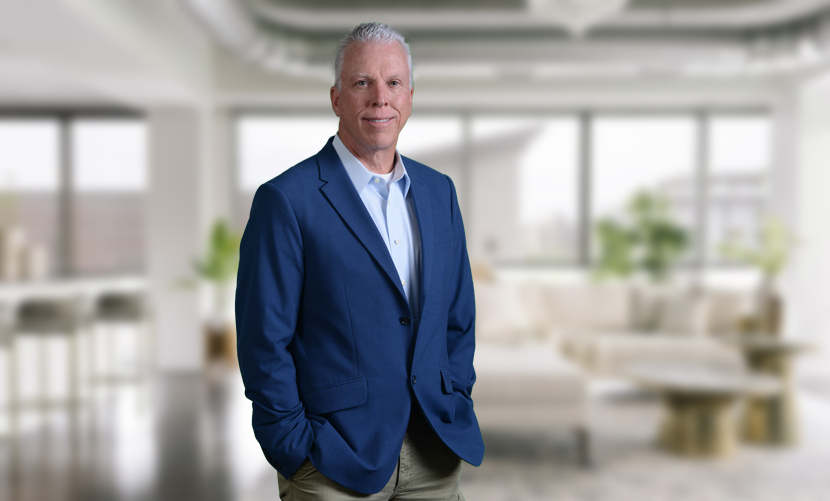
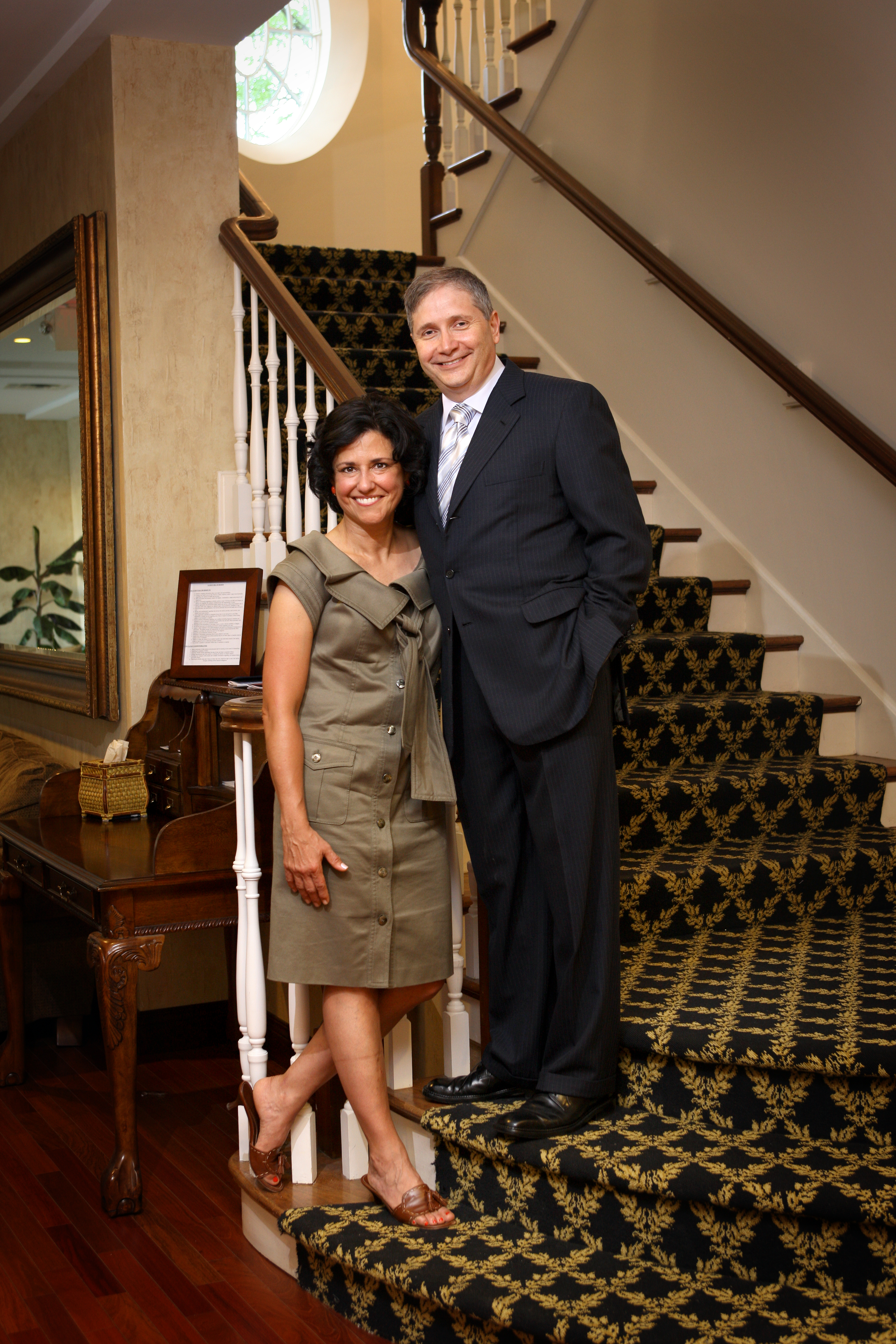
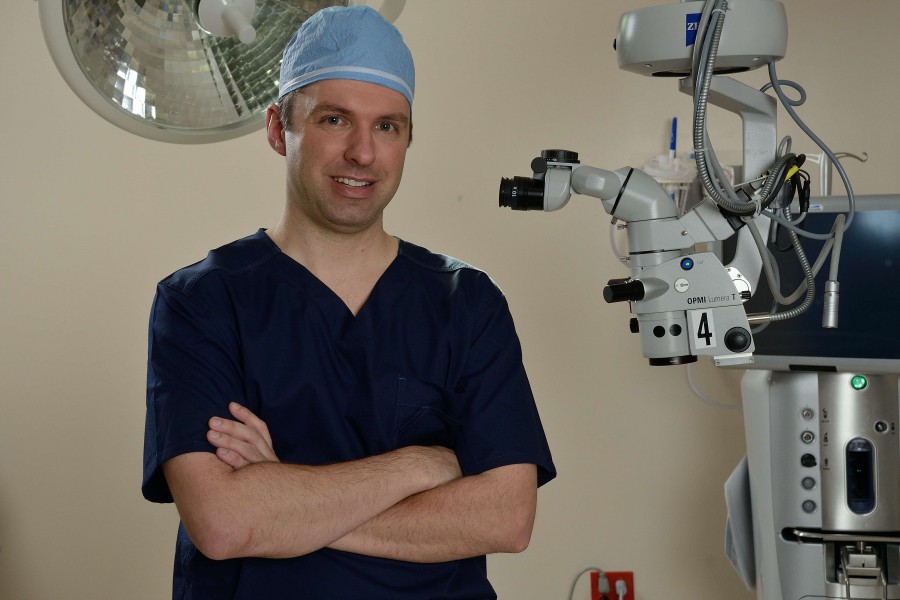
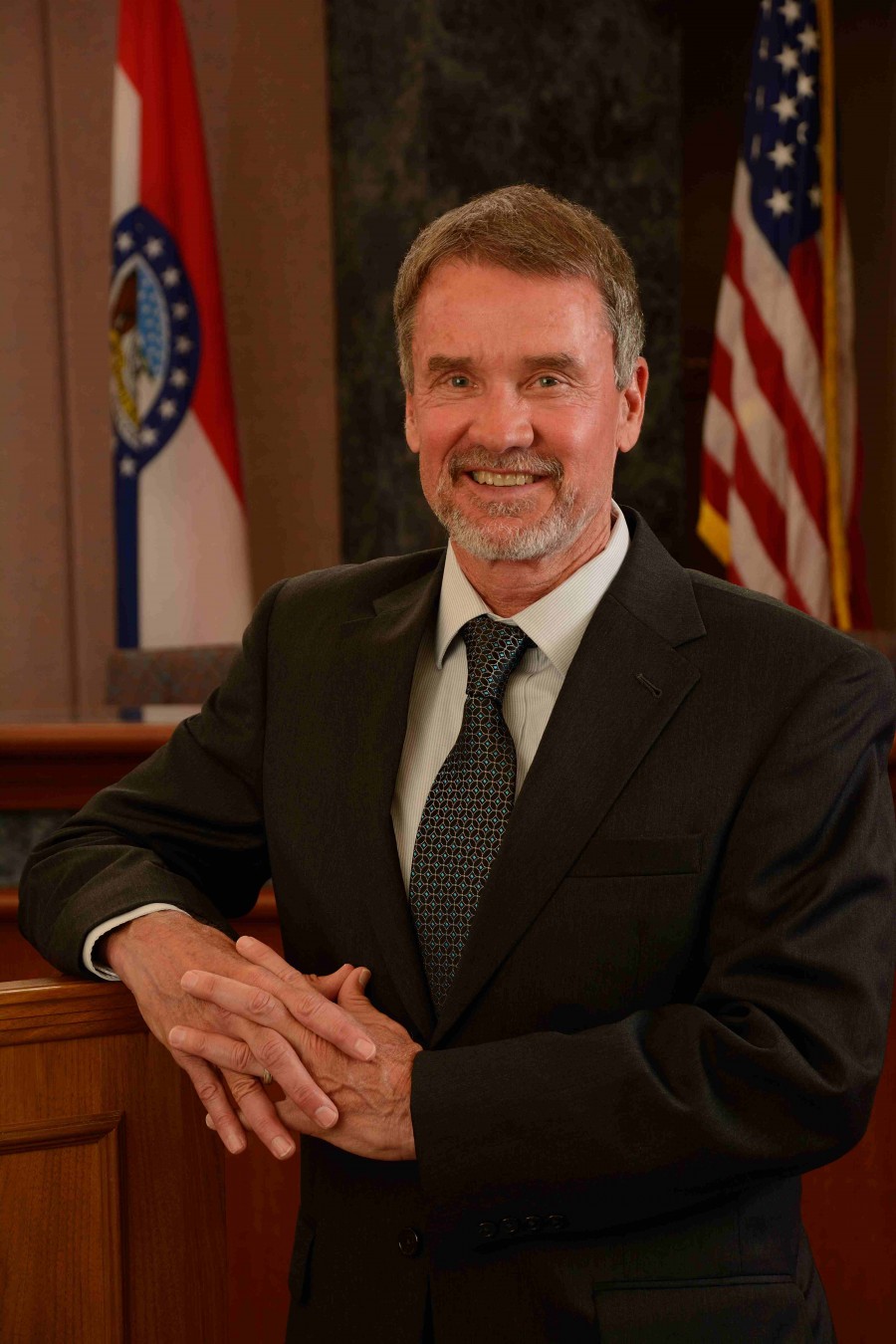
B) “Environmental headshots” (fastest, can look premium)
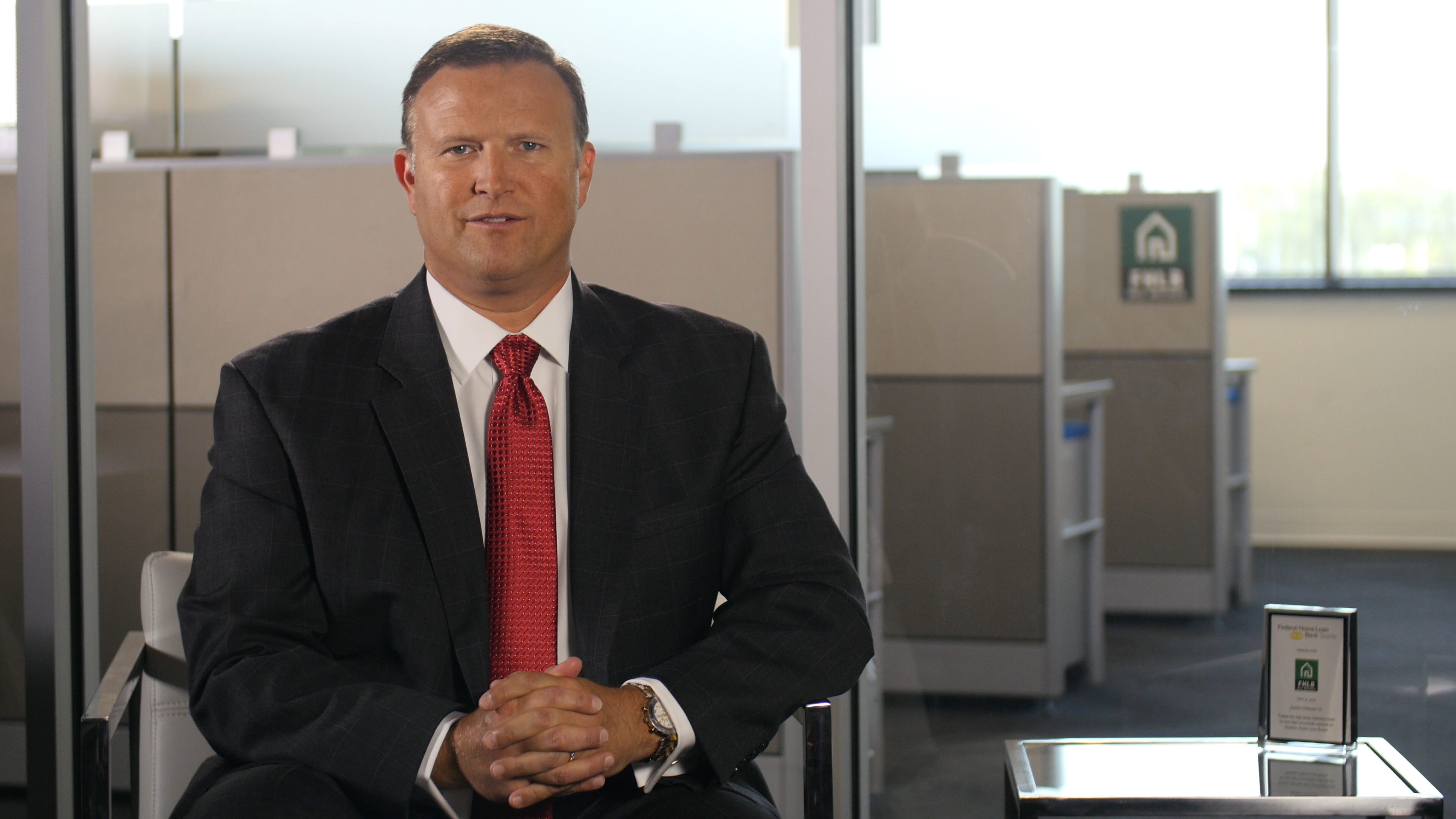
- Shot in a clean, branded, well-lit corner of the venue
- Requires careful background control and lens choices
- Ideal when space is tight and time is short
C) True studio headshots (highest control)
- Best for rebranding campaigns and larger headshot rosters
- Usually better scheduled separately from the event day, but can be done on-site if a dedicated room is available
The headshot throughput reality
A professional headshot station can move quickly without sacrificing quality when:
- There’s a check-in list
- People are scheduled in short blocks
- Styling is simple (lint roller, hair checks, quick notes)
- The photographer has a consistent lighting pattern already dialed in
If you want headshots to be economical, the rule is simple: reduce decision-making on-site. Consistency is efficiency.
Where Budgets Get Burned (and How to Avoid It)
1) Too many “nice-to-haves”
Every extra request adds minutes, and minutes multiply into hours. Limit your “special requests” to a small, prioritized list.
2) Uncontrolled backgrounds
Busy backgrounds create retouching time and reduce usable images. A clean background is one of the cheapest quality upgrades available.
3) No plan for name identification
If leadership wants “photos of these 12 people,” assign an internal point-person who can identify them. Otherwise, your team wastes time hunting.



4) No strategy for delivery formats
If you only request high-res photos and nothing else, you’ll still end up needing:
- Crops for web headers
- Vertical versions for social stories/reels thumbnails
- Tight headshot crops for speaker intros
- Banner-friendly wides
The economical approach is to plan these formats upfront.
Editing, Turnaround, and What You Should Ask For
Economical doesn’t mean “no editing.” It means targeted editing.
A smart, budget-friendly post-production plan often includes:
- A curated highlight set (for fast marketing)
- A complete, organized gallery (for internal + long-term use)
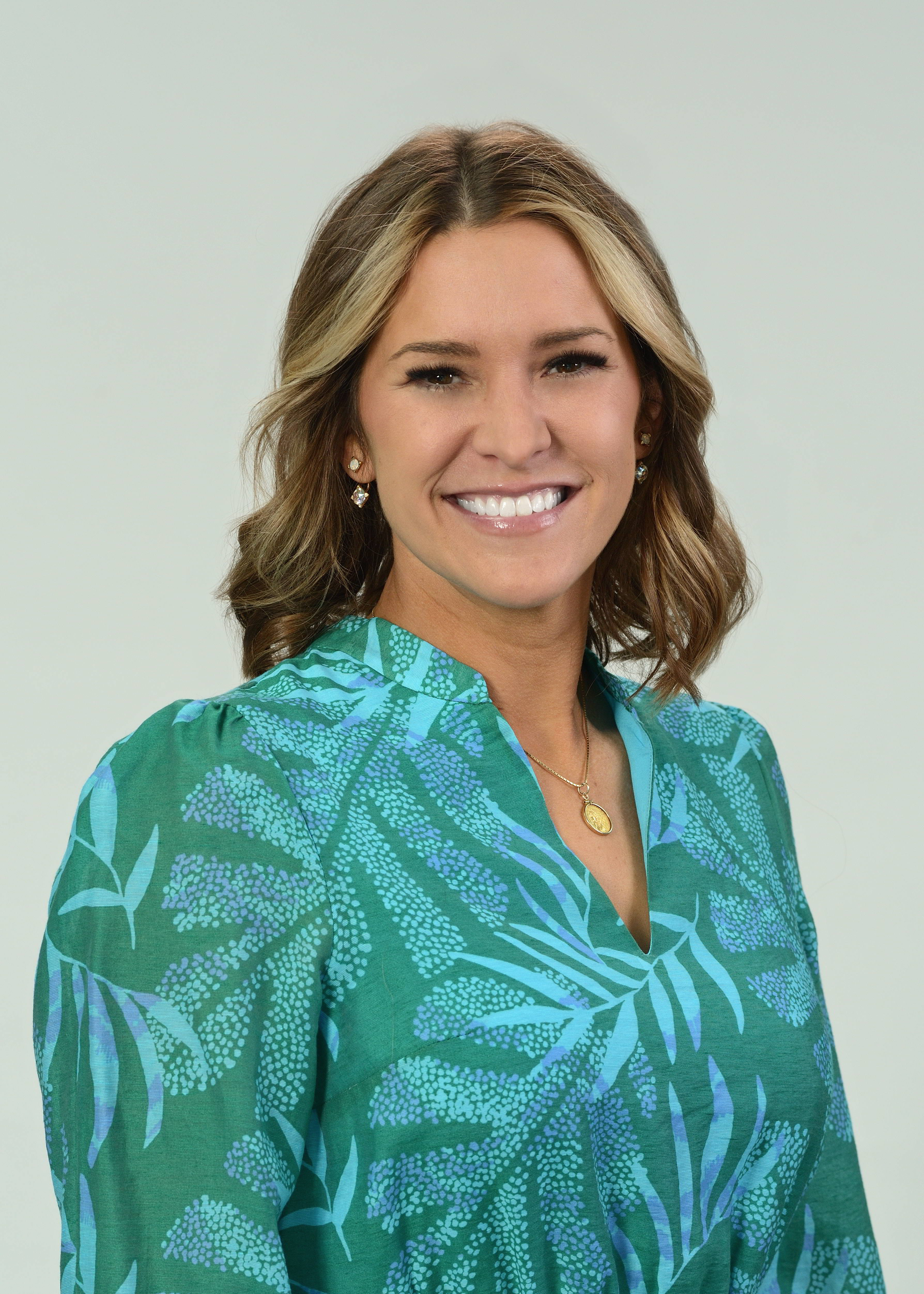
- Light retouching for headshots (consistency, not plastic skin)
- Basic color balancing across the event for a cohesive brand look
Ask your production partner:
- What’s your typical turnaround time for highlights vs full gallery?
- How do you name and organize files?
- Can you deliver “PR-ready” selects?
- Can you match previous headshot styles for consistency?
Repurposing: The Real ROI Multiplier
If you want economical results that feel premium, repurpose is the lever.
One event shoot can become:
- Speaker quote graphics + headshots for LinkedIn
- Recruitment content (“meet the team” posts)
- Case study visuals for proposals
- Website updates and hero banners
- Sponsor recap packages
- Internal newsletters and annual report imagery
- Sales decks with “proof of presence” photography
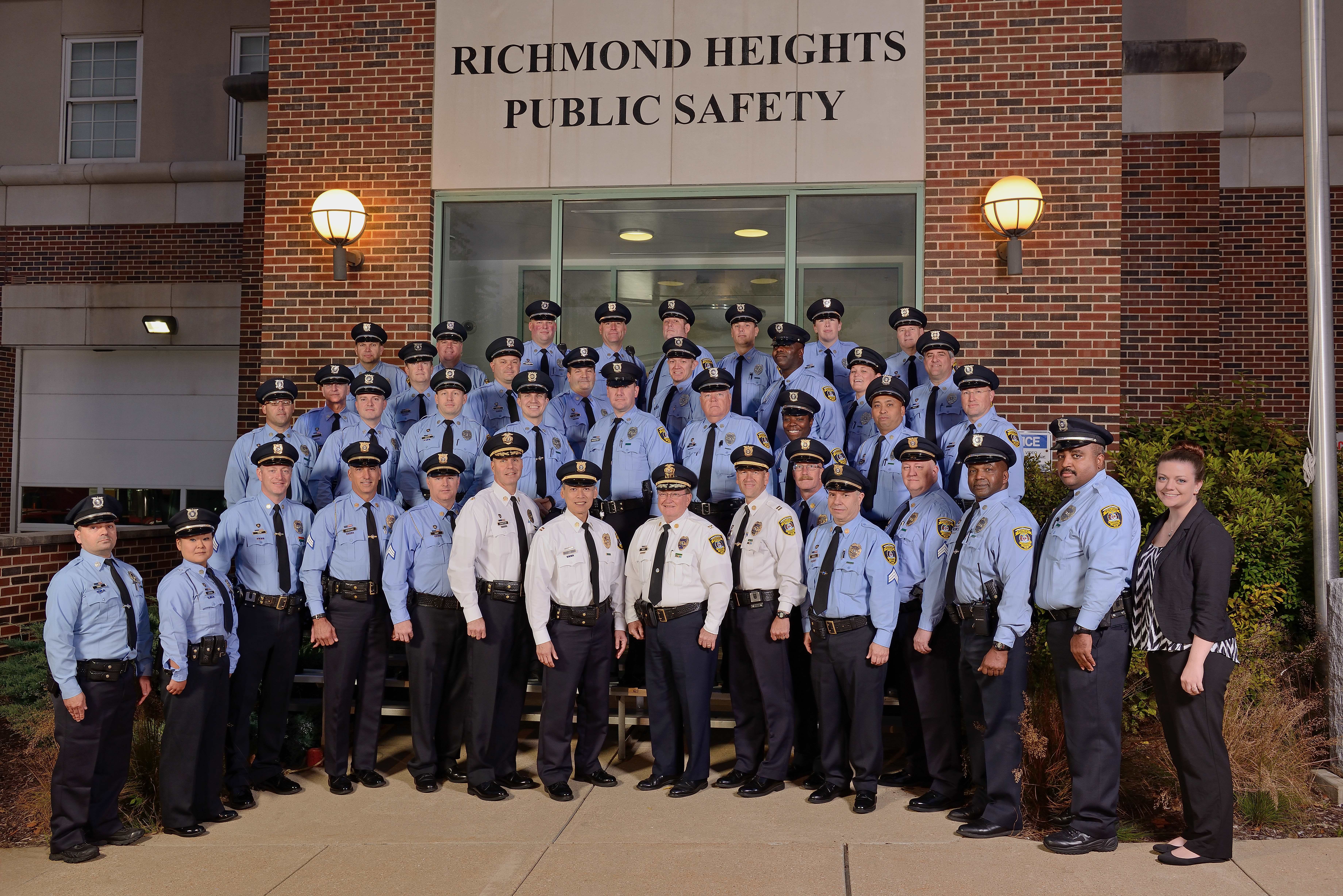
This is why the best economical shoots prioritize versatility: clean compositions, brand context, and images that can be cropped multiple ways.



How to Choose the Right Event + Headshot Team in St. Louis
Here’s what to look for when comparing providers:
- Proven experience with corporate environments (not just weddings)
- A repeatable lighting approach for consistent headshots
- Efficient on-site workflow (check-in, staging, timeline discipline)
- Post-production that matches your brand (not filters, not trends)
- Ability to scale: more people, more rooms, more deliverables if needed
- Clear licensing and usage expectations (marketing needs broad rights)
Economical means predictable outcomes. Predictability comes from experience and process.
Why St Louis Business Portraits Delivers Economical Results Without Compromising Quality
At St Louis Business Portraits, we’re a full-service professional commercial photography and video production company with the right equipment, crew, and decades of service experience for successful image acquisition. Since 1982, we’ve worked with businesses, marketing firms, and creative agencies across the St. Louis area to produce marketing photography and video that’s efficient, consistent, and built for reuse.
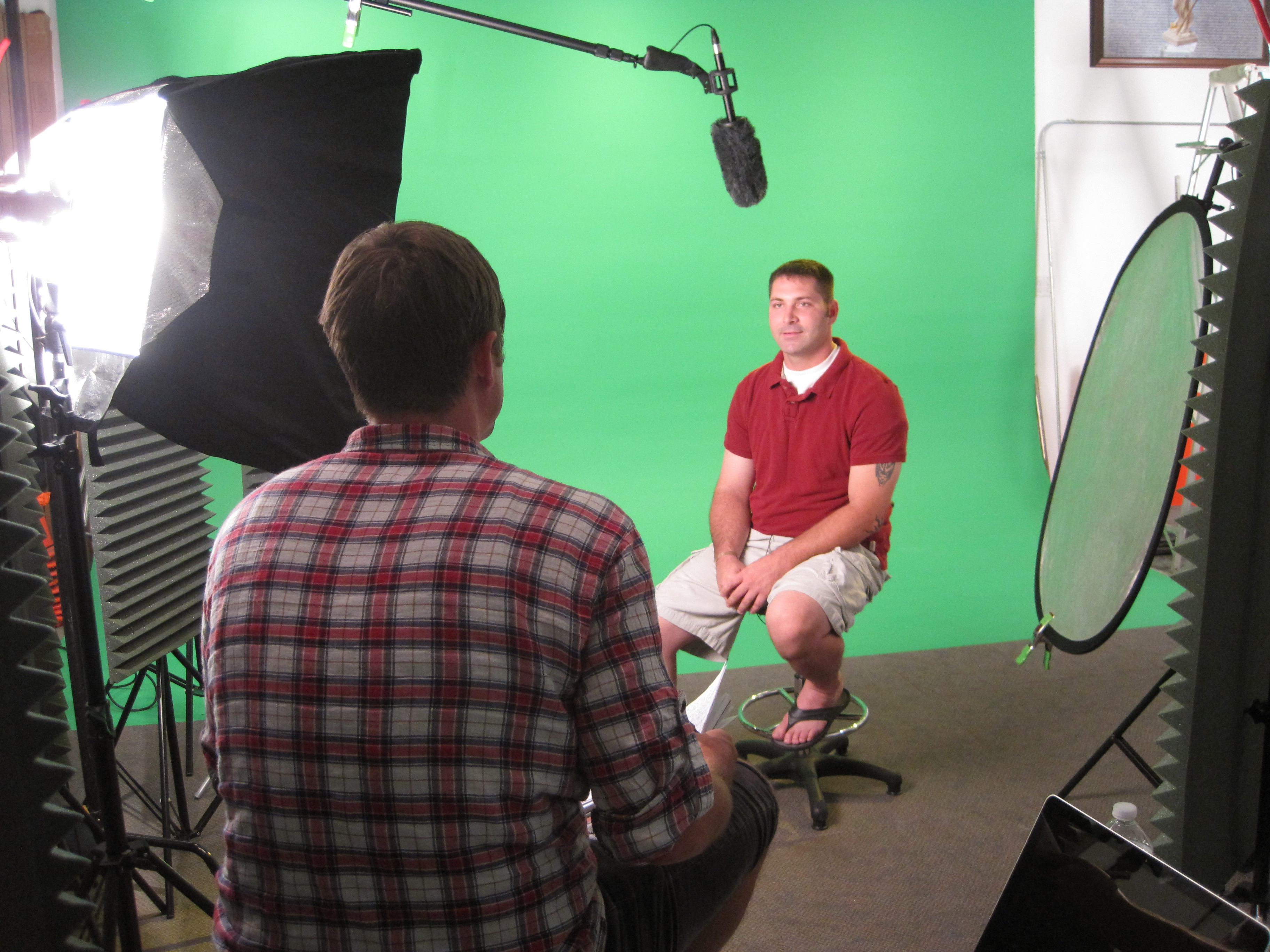
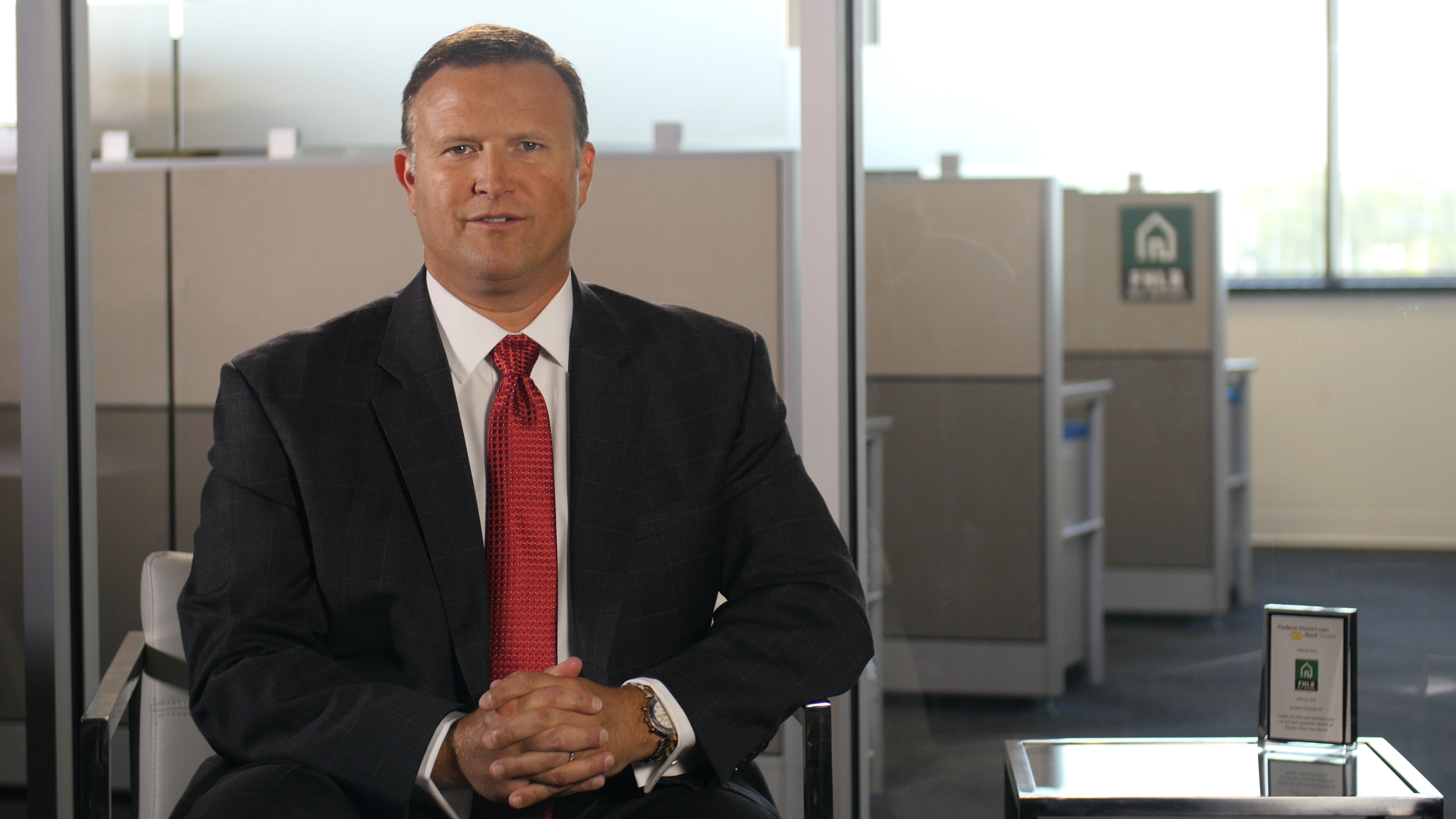
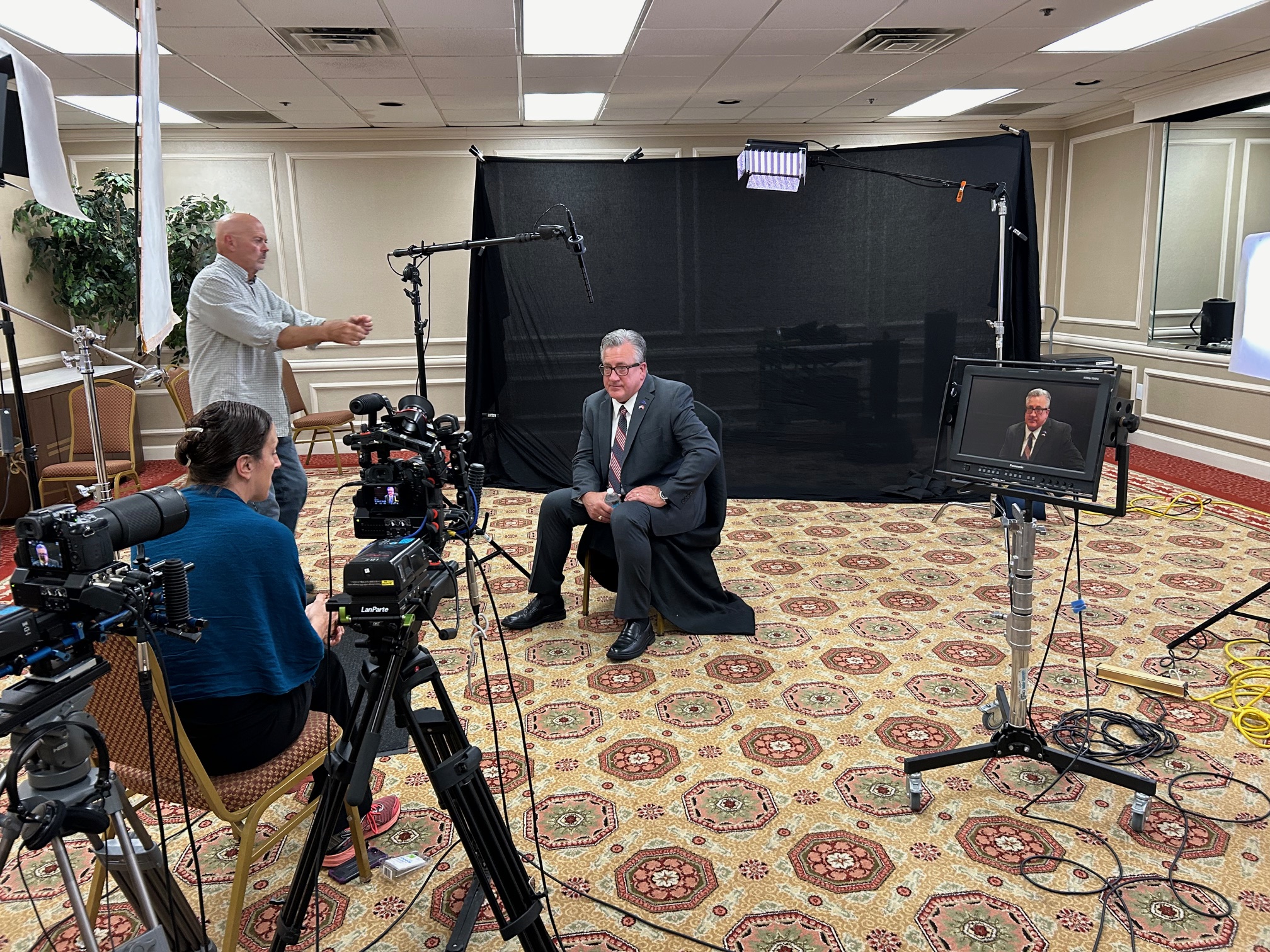
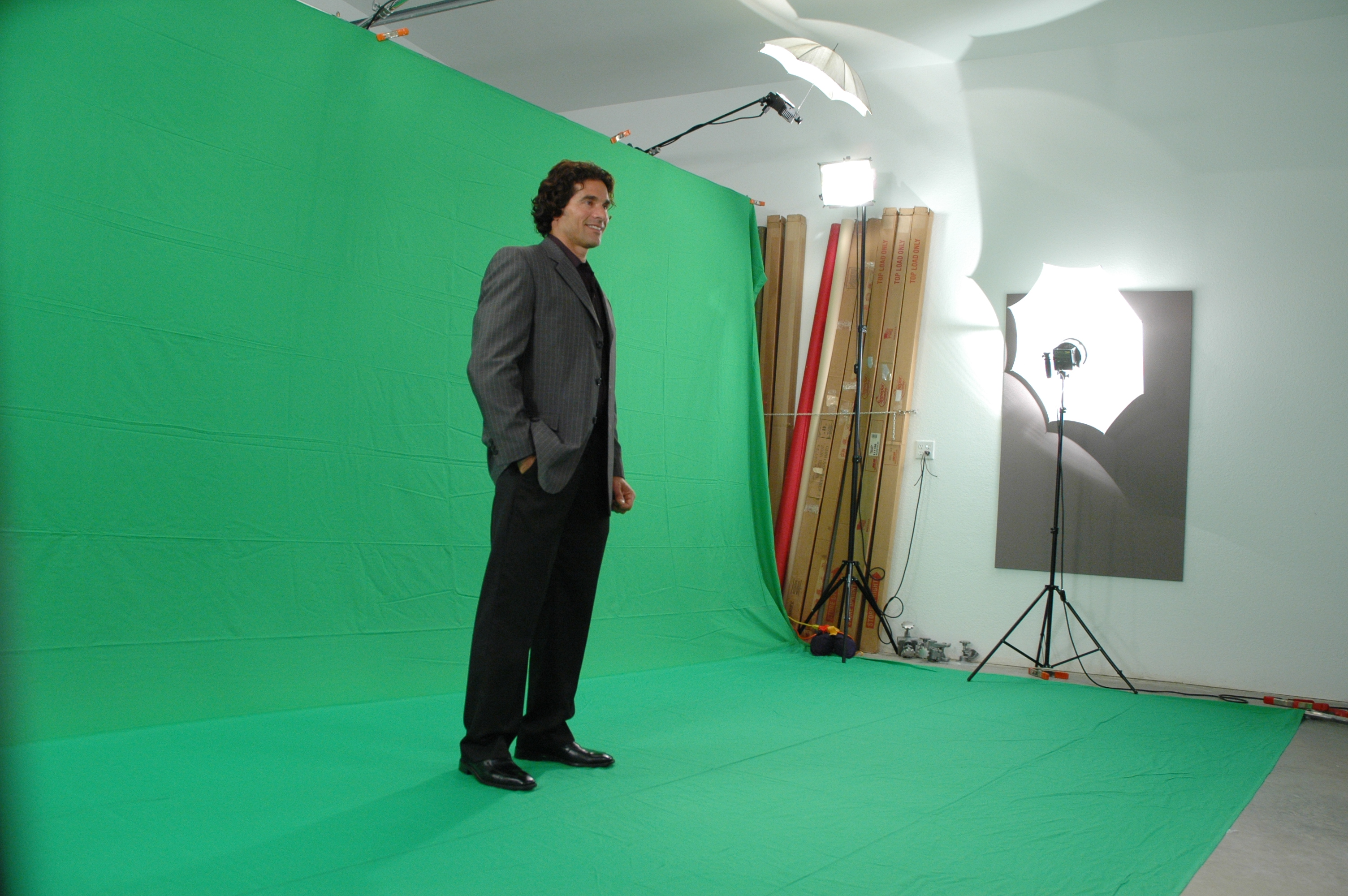
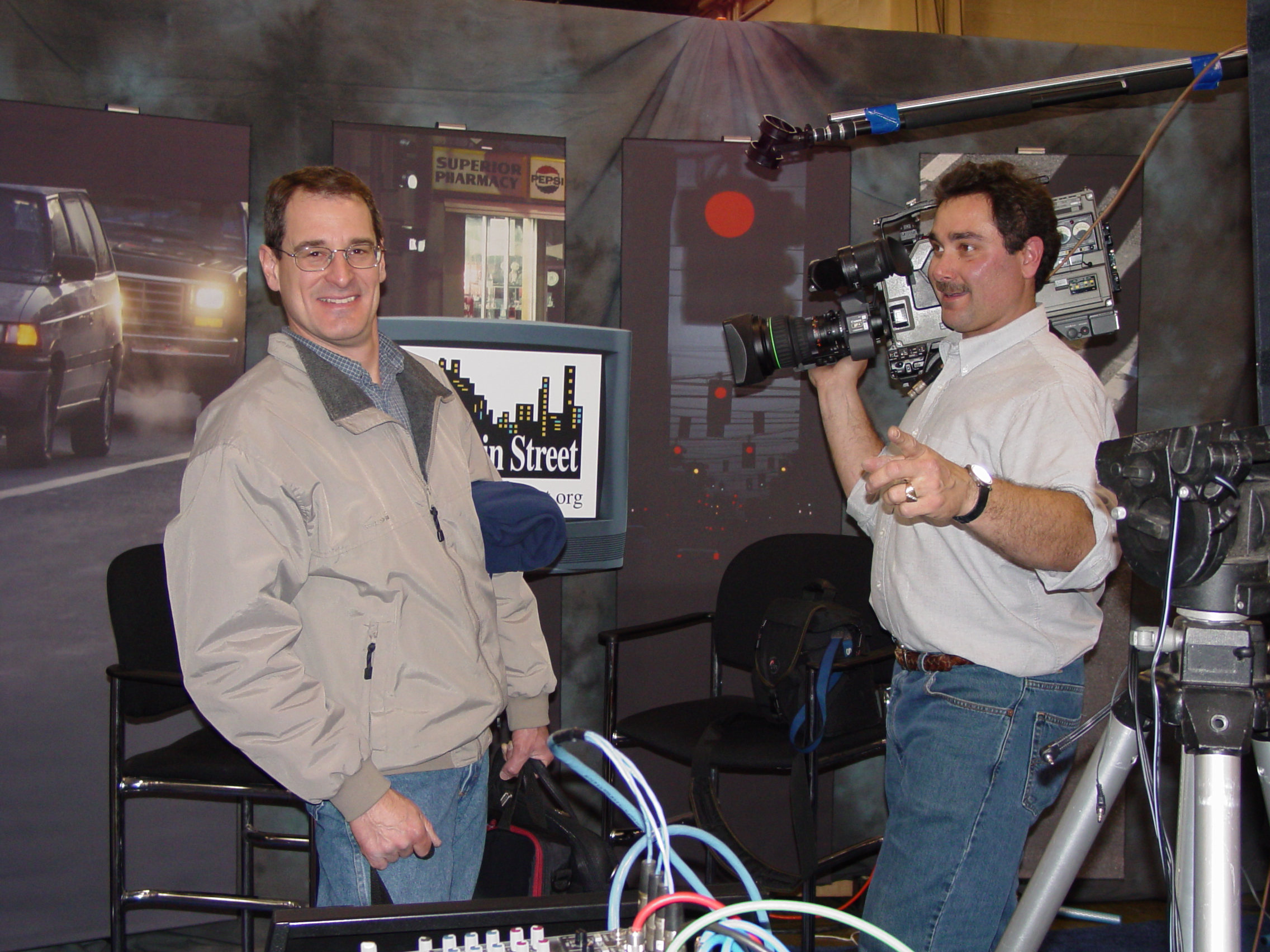
We offer full-service studio and location video and photography, plus editing and post-production, and licensed drone services. St Louis Business Portraits can customize productions for diverse media requirements—from economical event coverage and headshot stations to full interview setups and brand storytelling. Repurposing photography and video branding to gain more traction is a core specialty, and we’re well-versed in all file types, media styles, and the software ecosystems your team already uses.
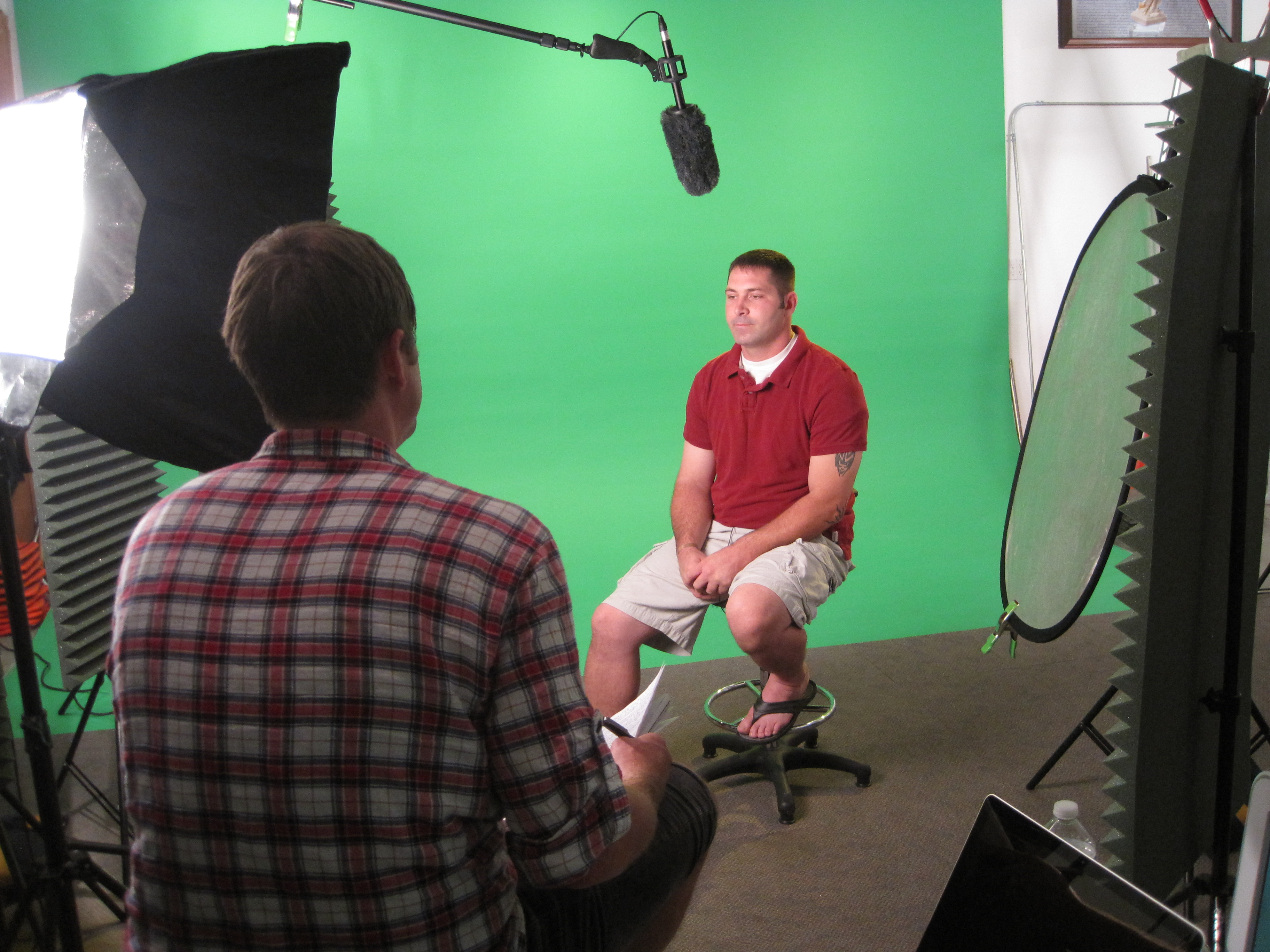
We also use the latest Artificial Intelligence across our media services to enhance workflow efficiency where it actually helps—without compromising realism, brand accuracy, or professional standards. Our private studio lighting and visual setup is ideal for small productions and interview scenes, and our studio is large enough to incorporate props to round out your set. We support every aspect of your production—from building a private, custom interview studio to supplying professional sound and camera operators and the right equipment—ensuring your next event photography, headshot day, or video production is seamless and successful. And yes: we can fly specialized drones indoors when the project calls for it.
If you want economical event photography and headshots in St. Louis that still look like your brand belongs in the big leagues, the solution isn’t “less.” It’s smarter production.
314-913-5626
stlouisphotos@gmail.com
Mike Haller
Studio by appointment – 4501 Mattis Road St Louis, MO 63128






























































 St Louis Business Portraits