A product reveal, a keynote, an award announcement, a ribbon cutting: each happens once, in front of an audience, with no chance to ask for another take. Studio work can be reshot. Live work can’t.
That is why event coverage deserves more planning than the usual “book someone with a camera.” If you lead marketing, communications, or business development, the choices you make before the event decide what you have afterward. This guide covers the decisions that matter most.
Decision 1: Documentation or Content Strategy?
Documentation answers “who was there and what happened.” A content strategy answers “what will this event do for us after it’s over?” The two lead to different coverage.
Pure documentation can be handled by one capable photographer. A content strategy usually calls for photography, video, audio, interviews, and an editing plan, all designed together. Decide which you’re buying before you request a quote, because it determines crew size, equipment, and budget.
Decision 2: Who Is the Audience for the Footage?
An event has two audiences, and your coverage should serve both:
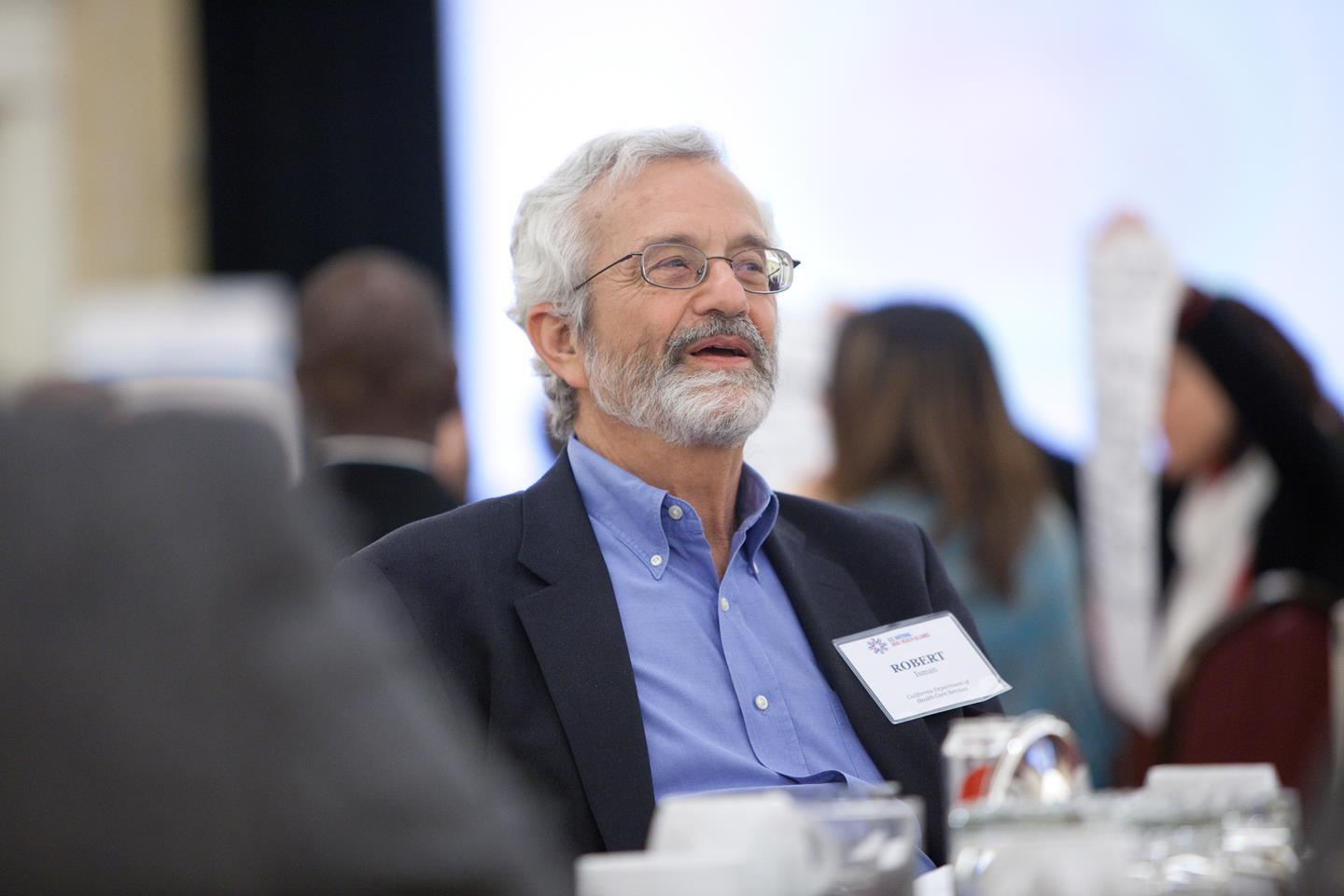
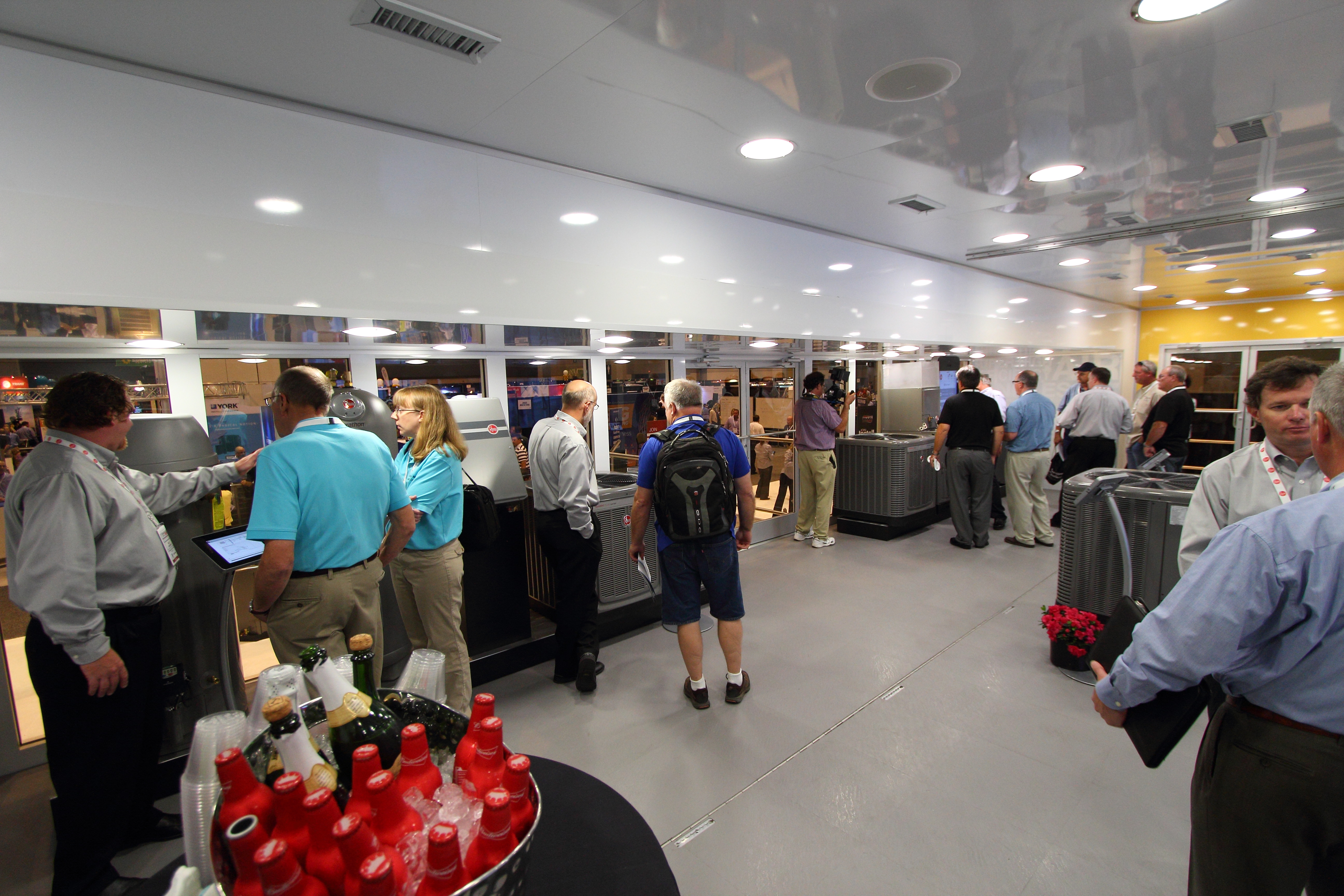
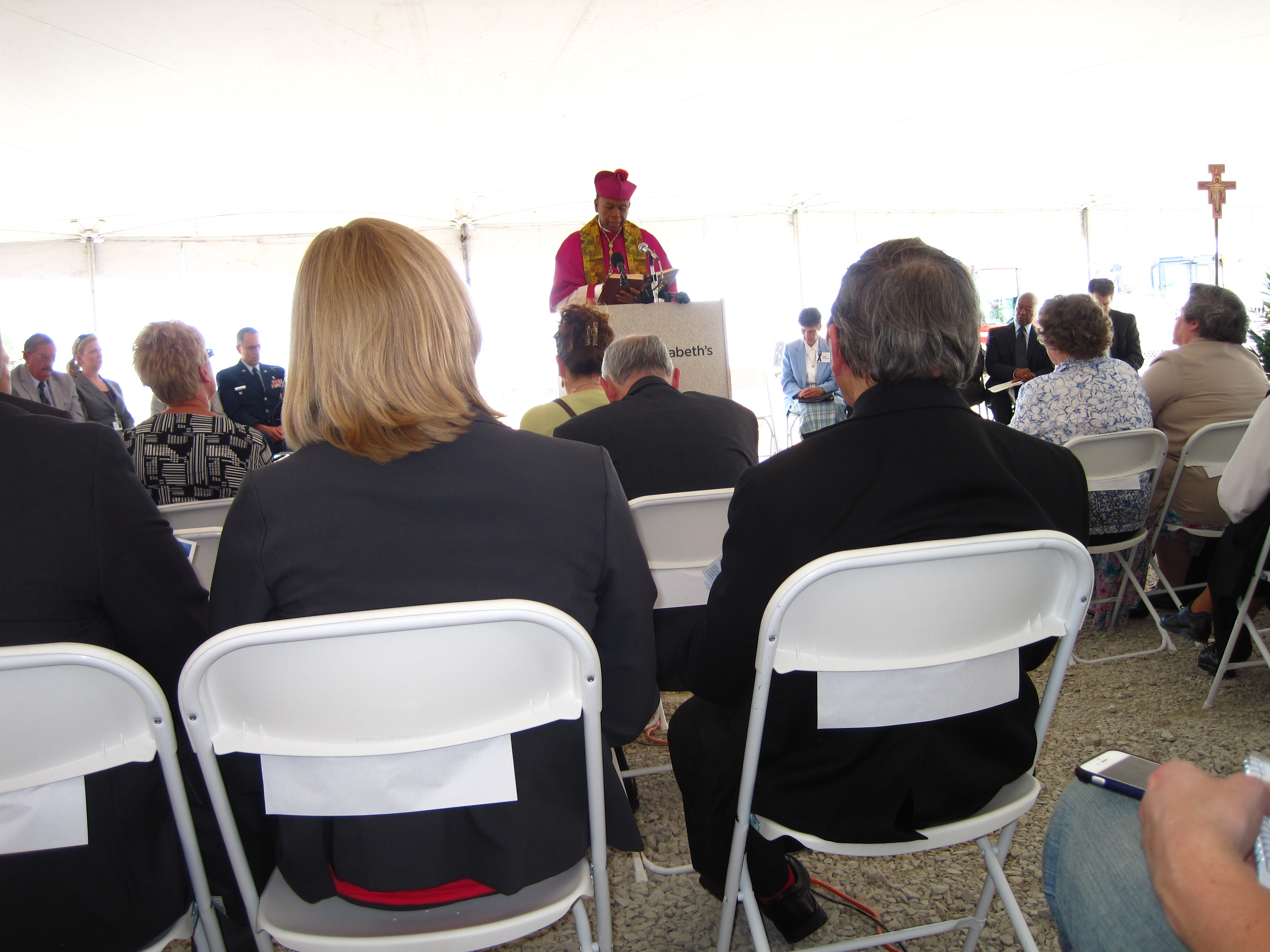
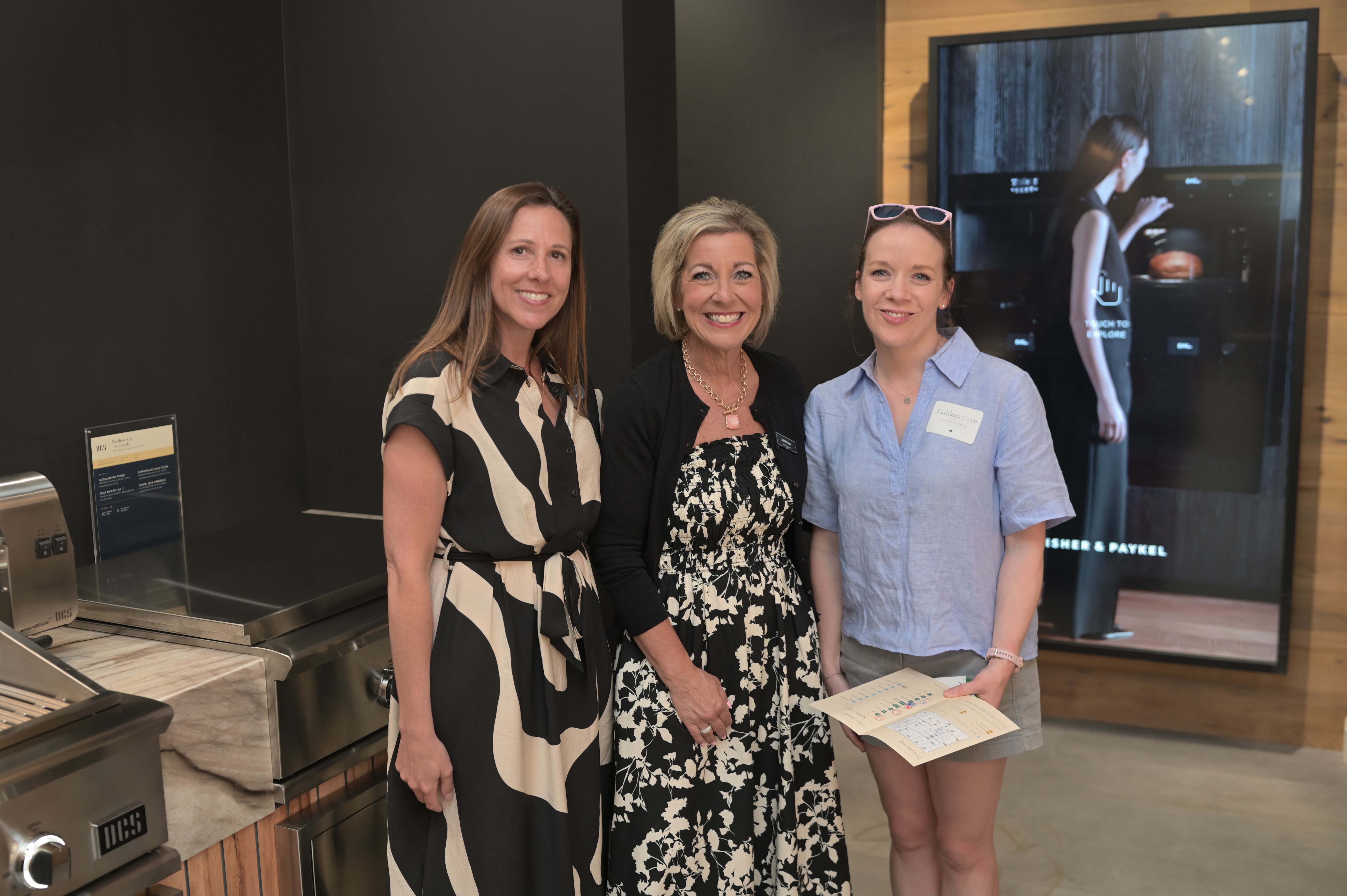
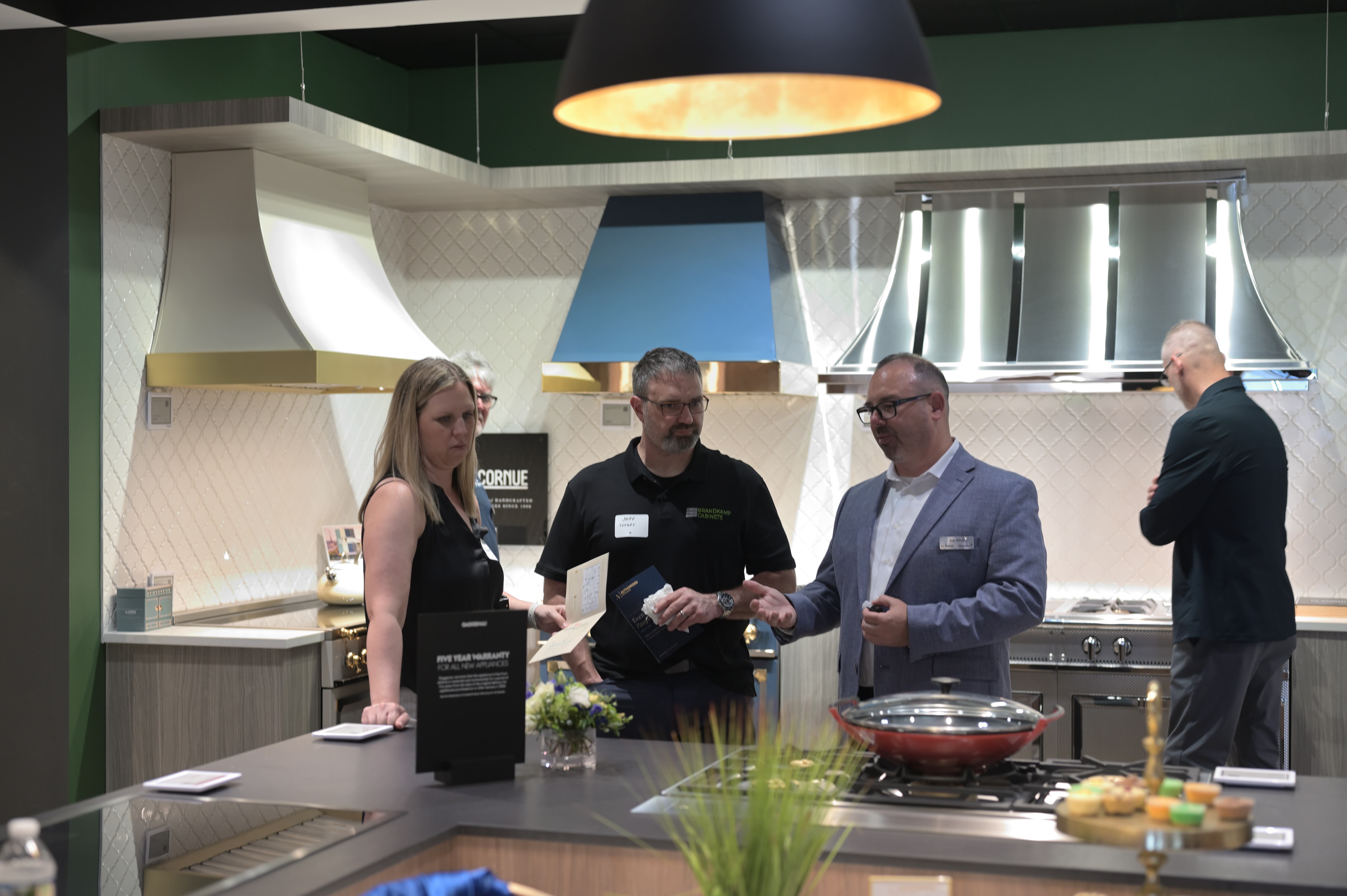
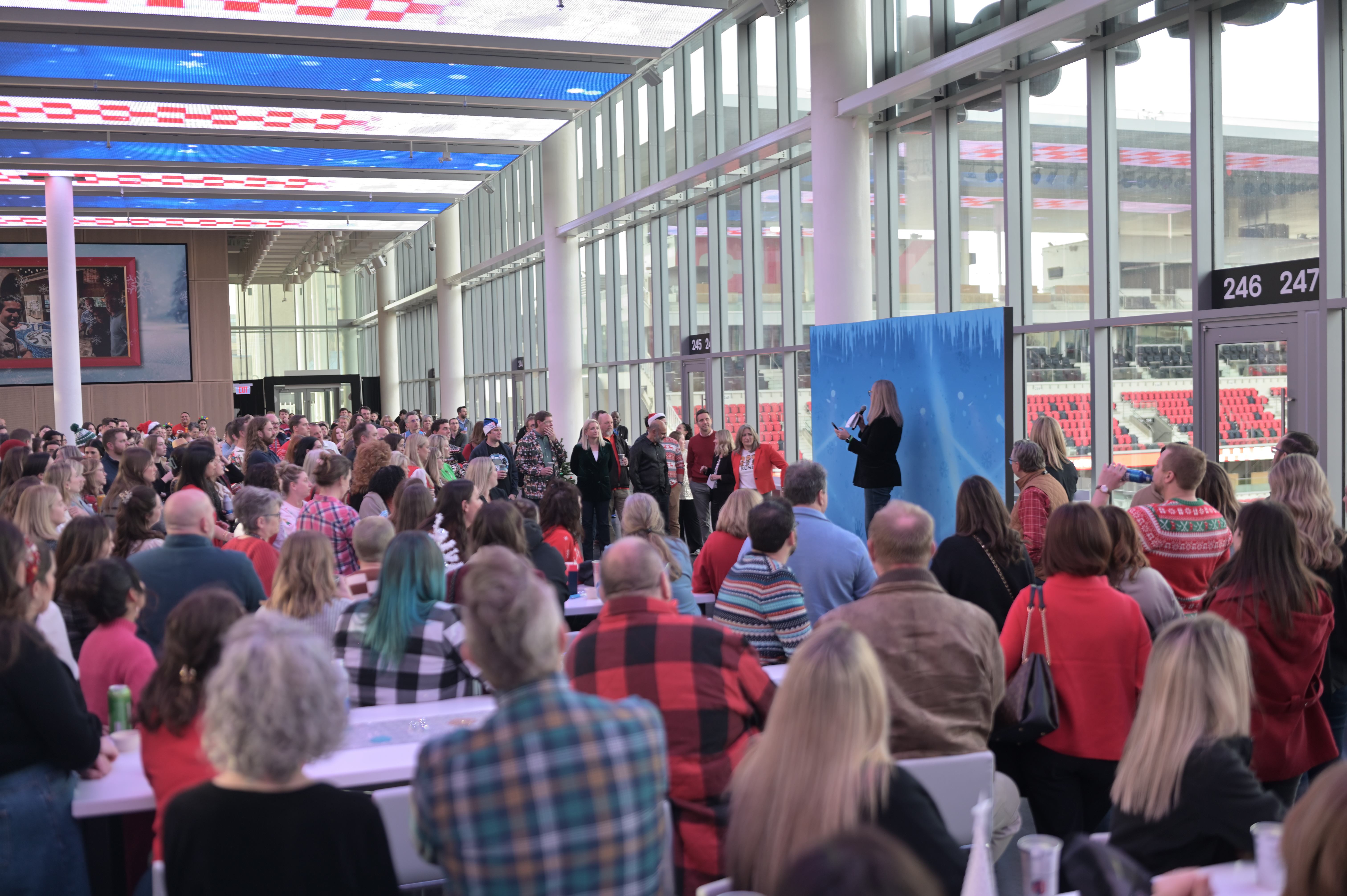
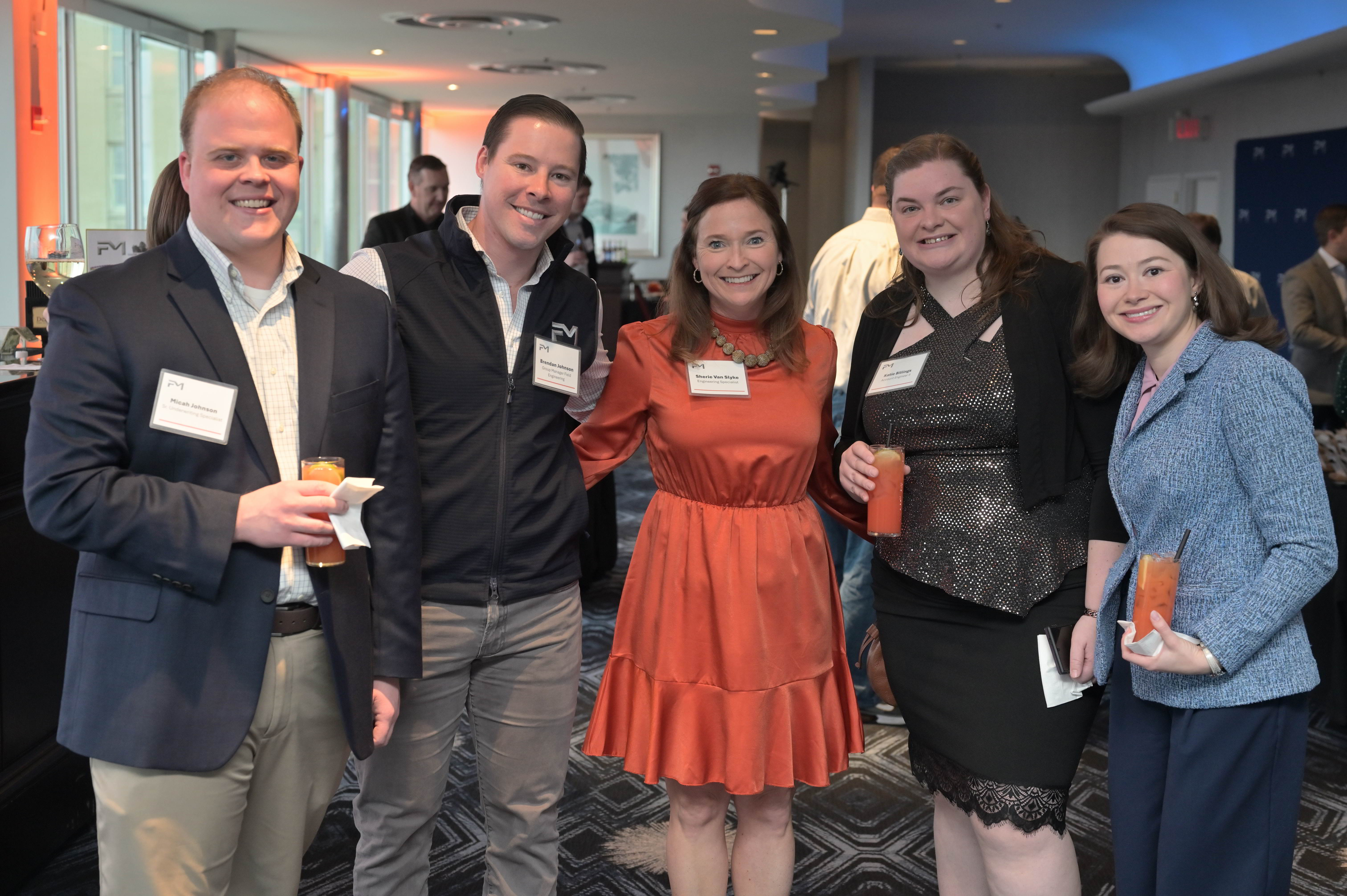
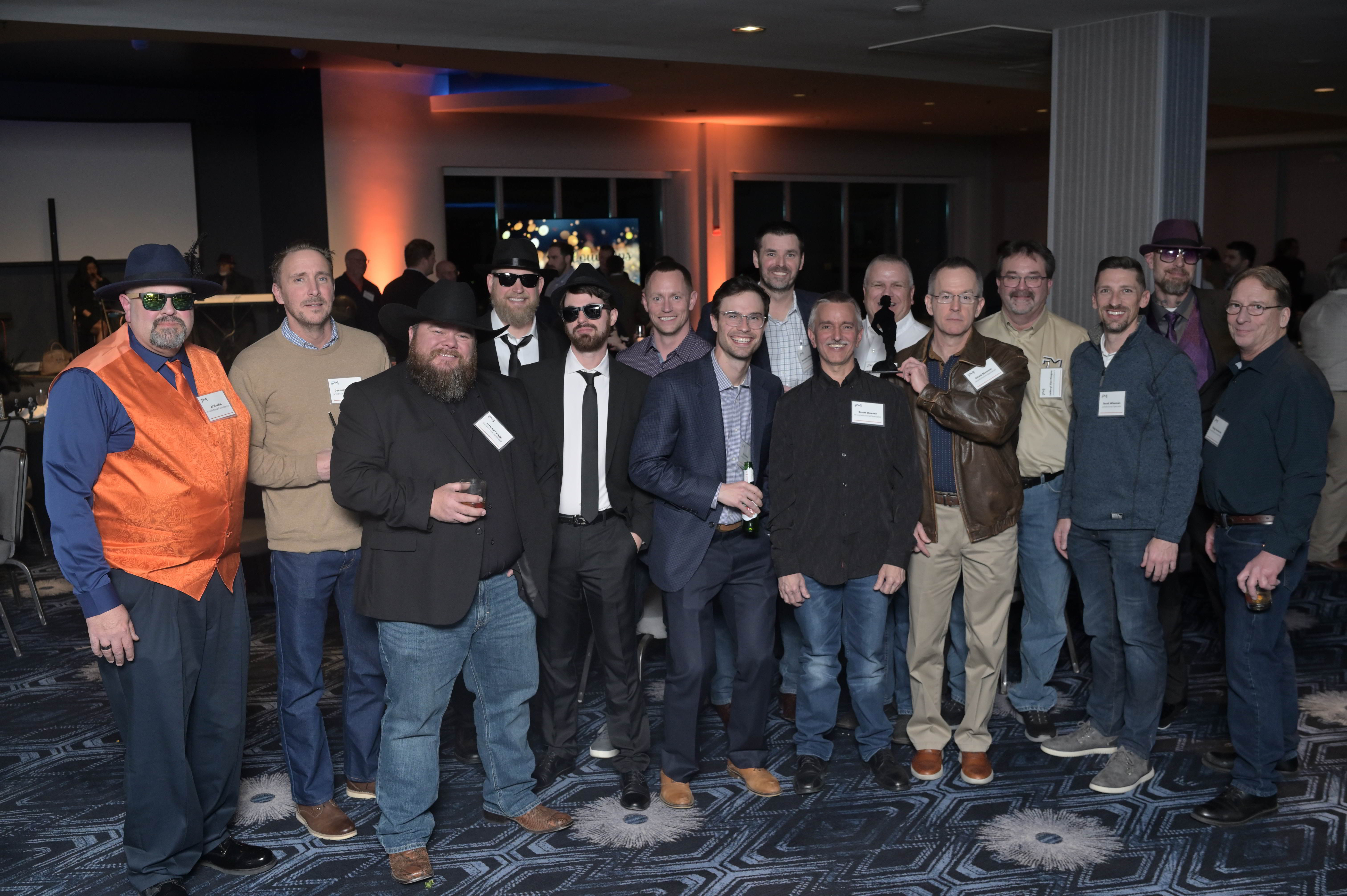
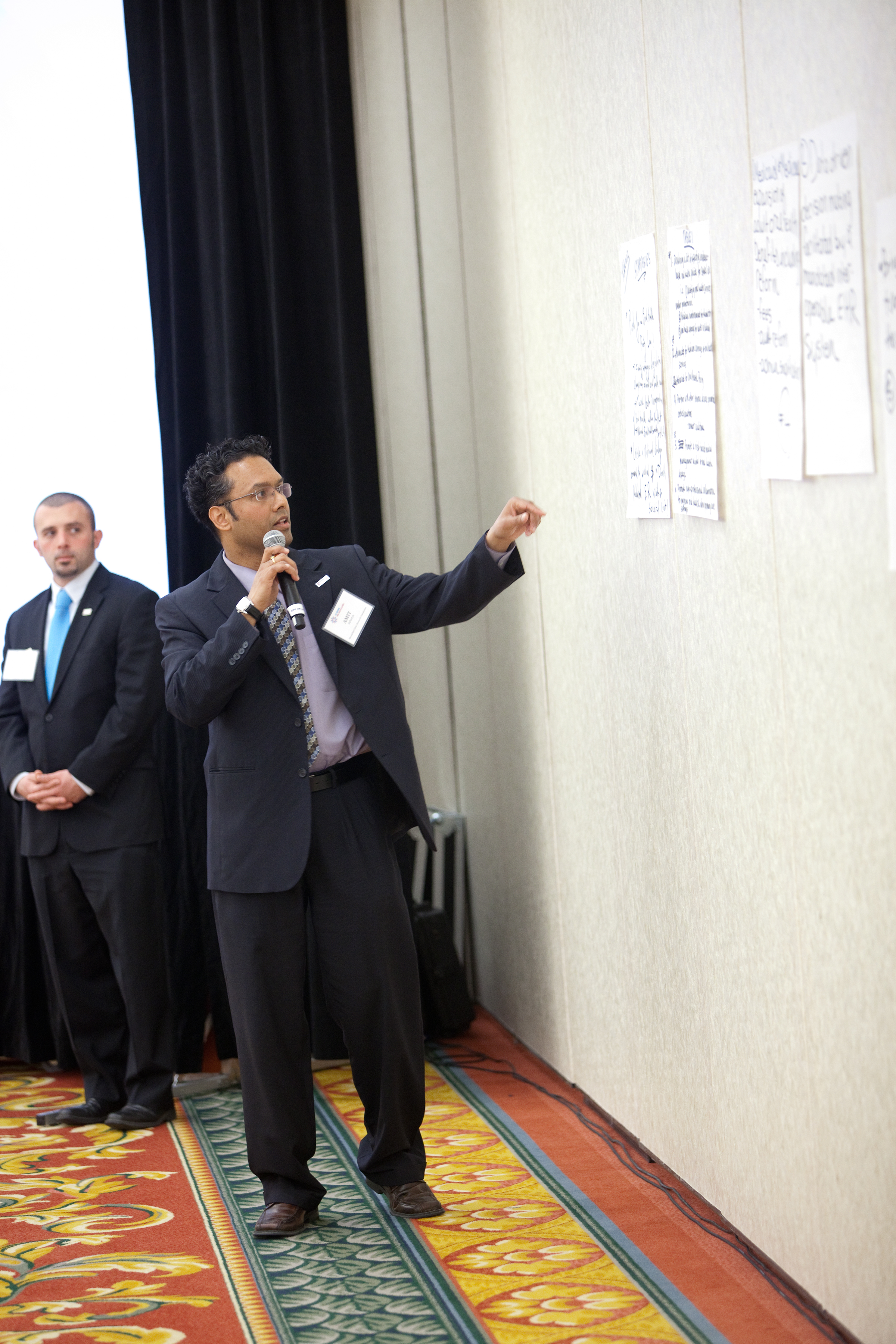
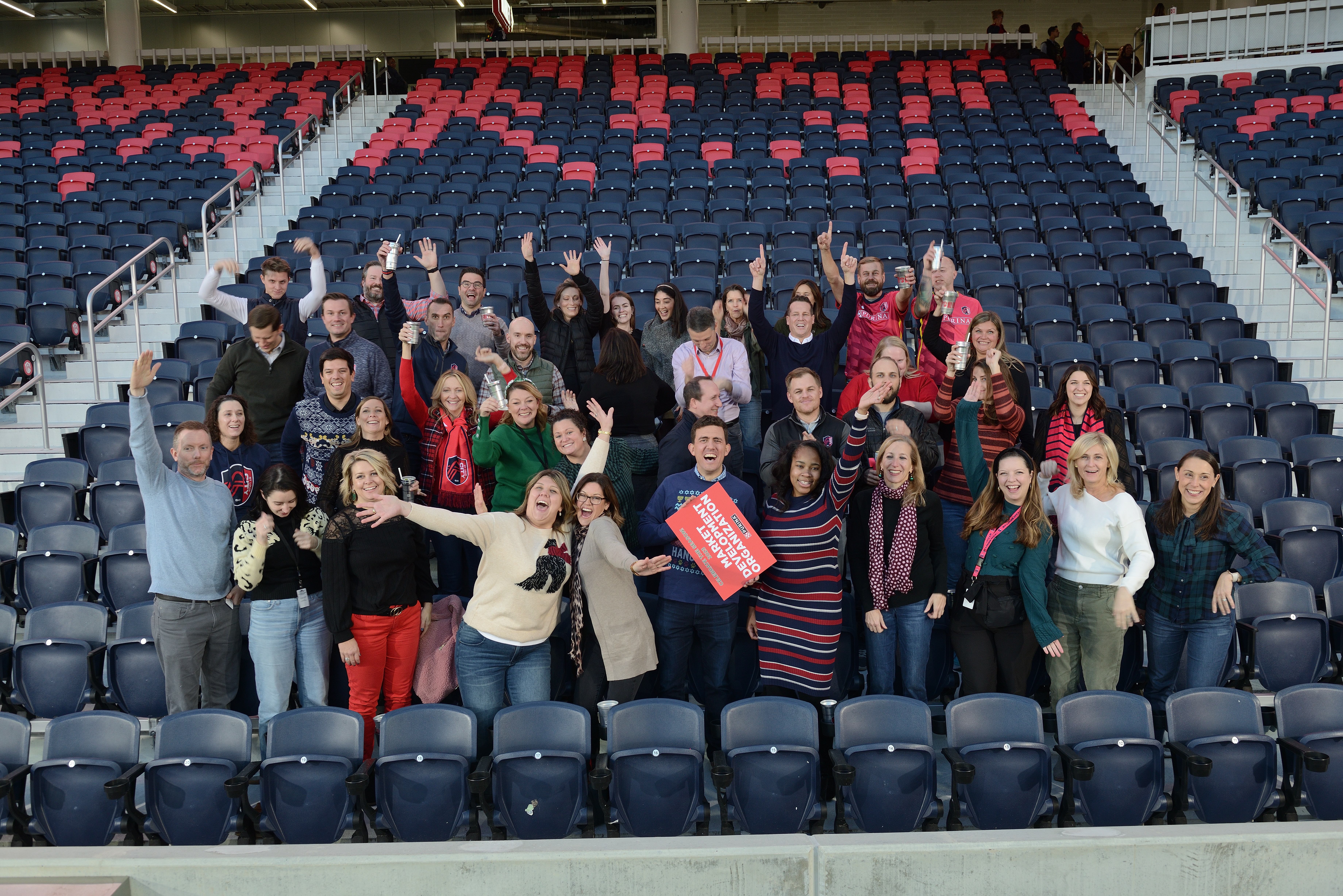
- The people in the room, who want to feel the event was worth attending and expect to see themselves in the recap
- The people who weren’t there, such as prospects, customers, recruits, members, and executives, who judge your organization by what you publish
Content for absent audiences has to work without context. It needs clear audio, readable branding, and a story that makes sense to someone who didn’t attend. Planning for this audience leads to better interviews, stronger b-roll, and more useful edits.
Decision 3: Live Streaming, Recording, or Both?
Many events now reach a larger audience online than in person. Your options typically include:
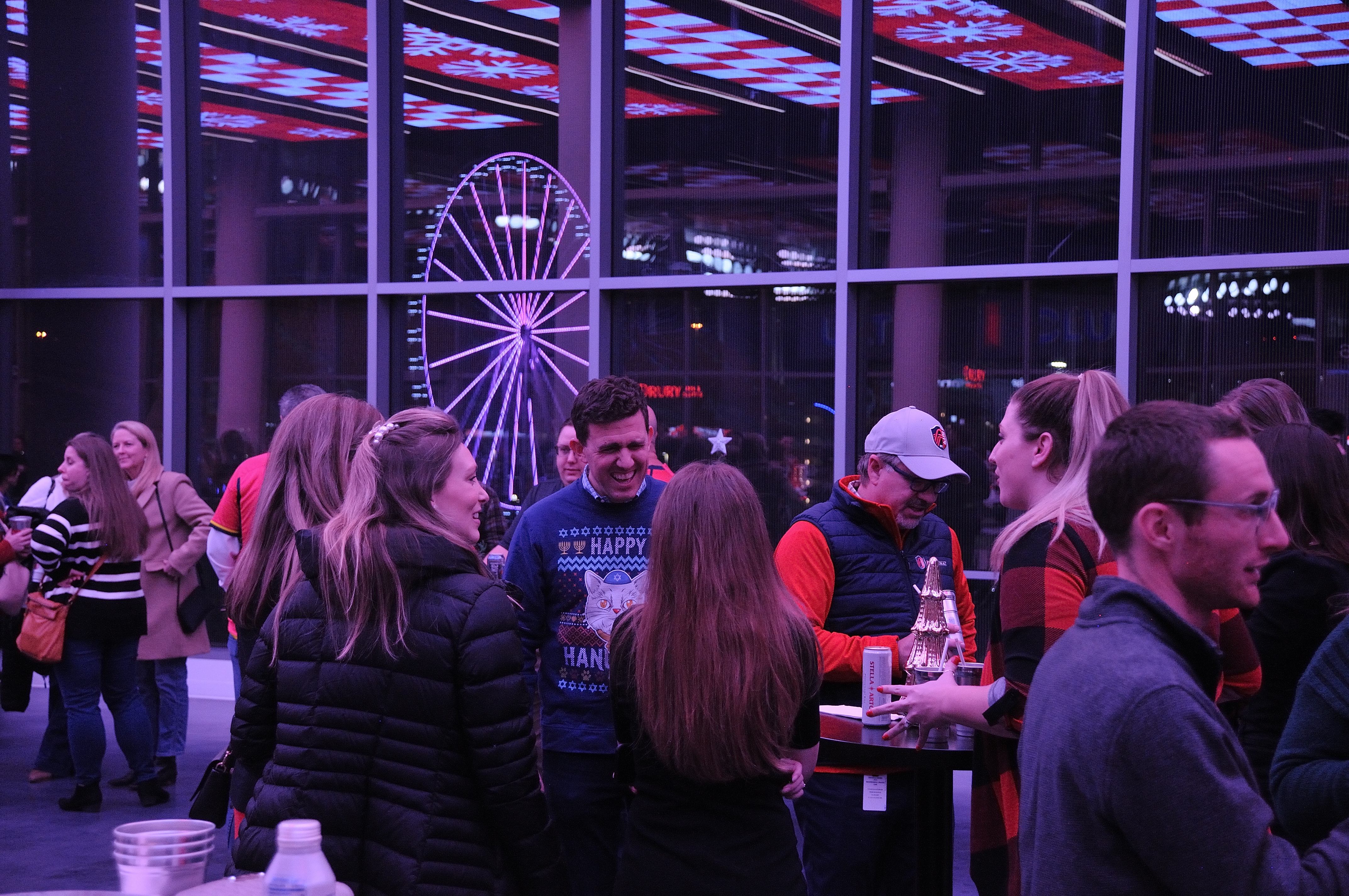
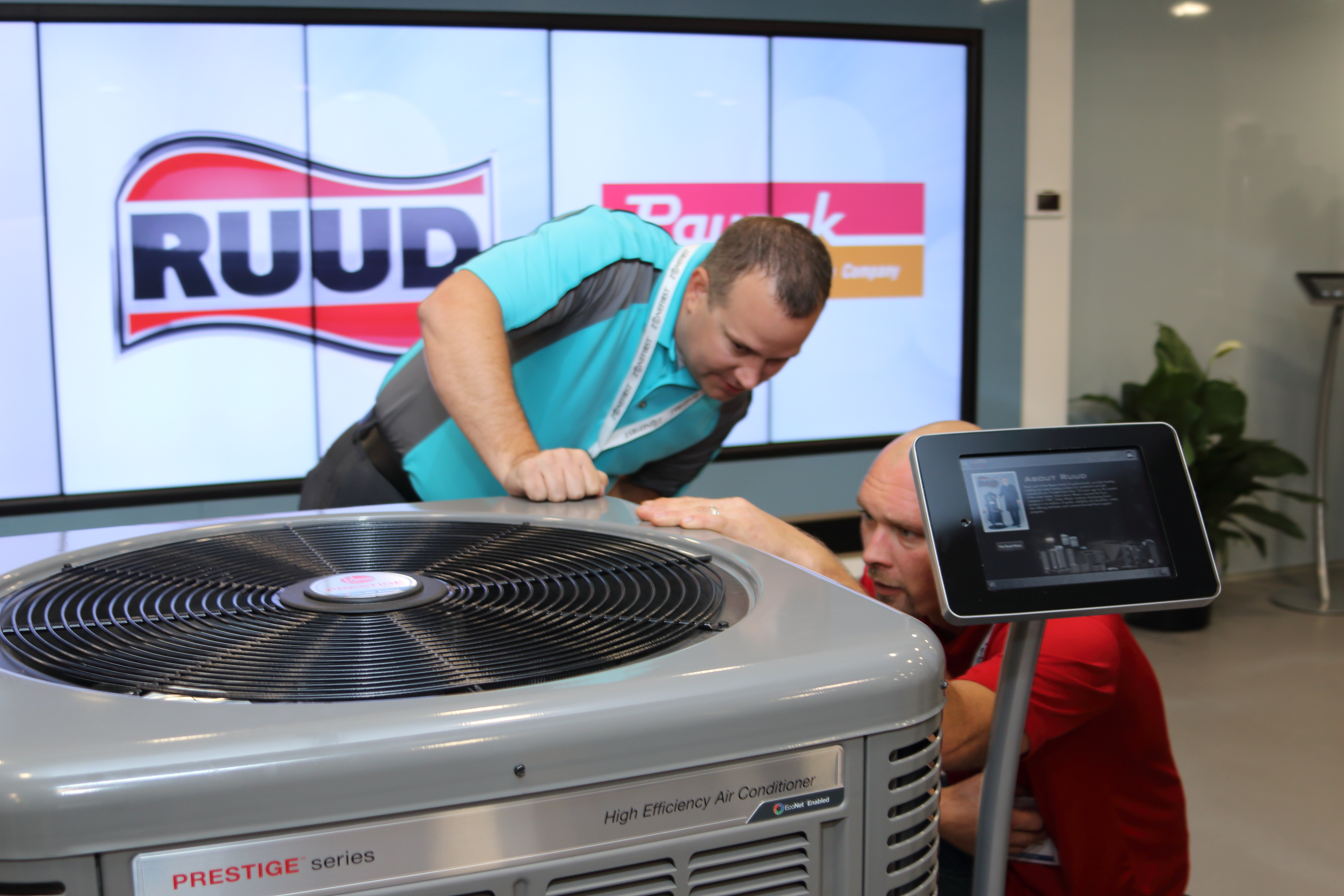
- Live streaming for remote attendees, hybrid events, or announcements timed to a specific moment
- Multi-camera recording of keynotes, panels, and sessions for on-demand viewing
- Both, with the live feed also feeding a polished post-event edit
Streaming adds requirements that recording alone doesn’t: a reliable connection at the venue, a clean audio feed from the house system, camera switching, graphics, and a backup plan if something fails mid-broadcast. Raise it early in planning, because it affects venue coordination as much as production.
Decision 4: How Many Cameras, and Where?
Coverage depth should match the importance of the moment:
- One camera suits a short presentation or a casual gathering.
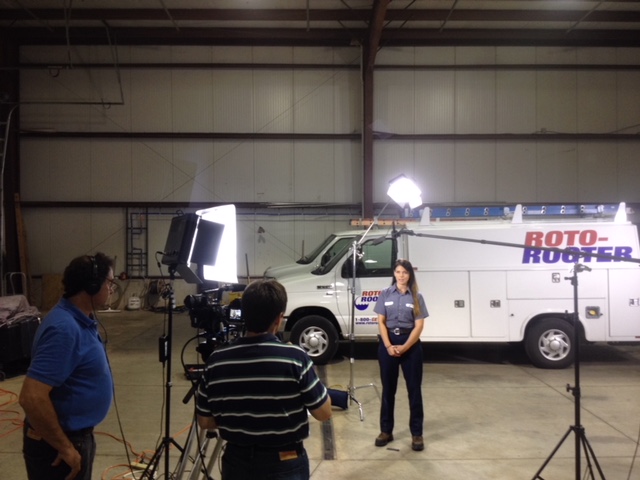
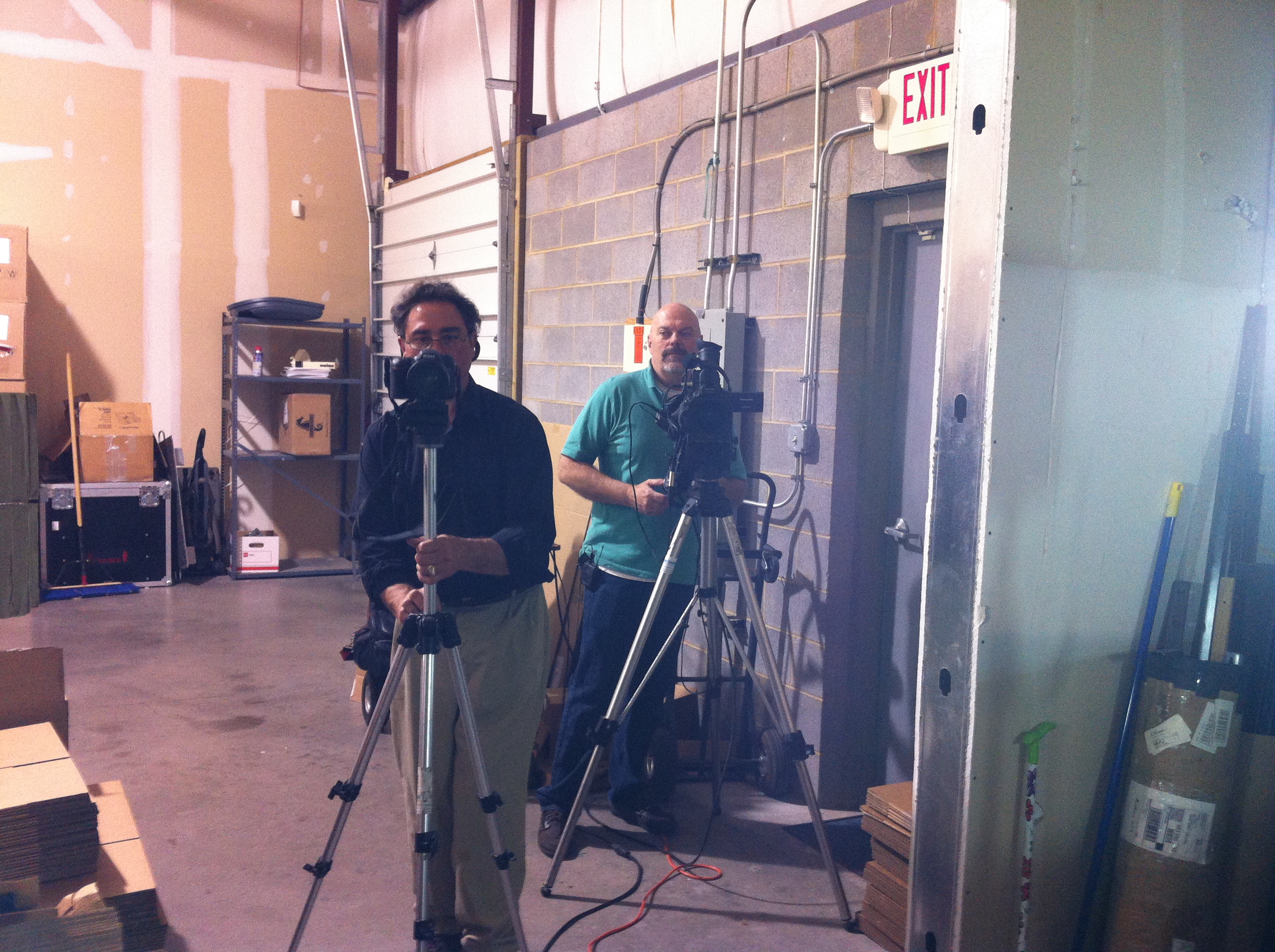
- Two cameras (wide plus tight) give an edit variety and a safety net.
- Three or more, with dedicated operators, suit keynotes, galas, and sessions you plan to publish in full.
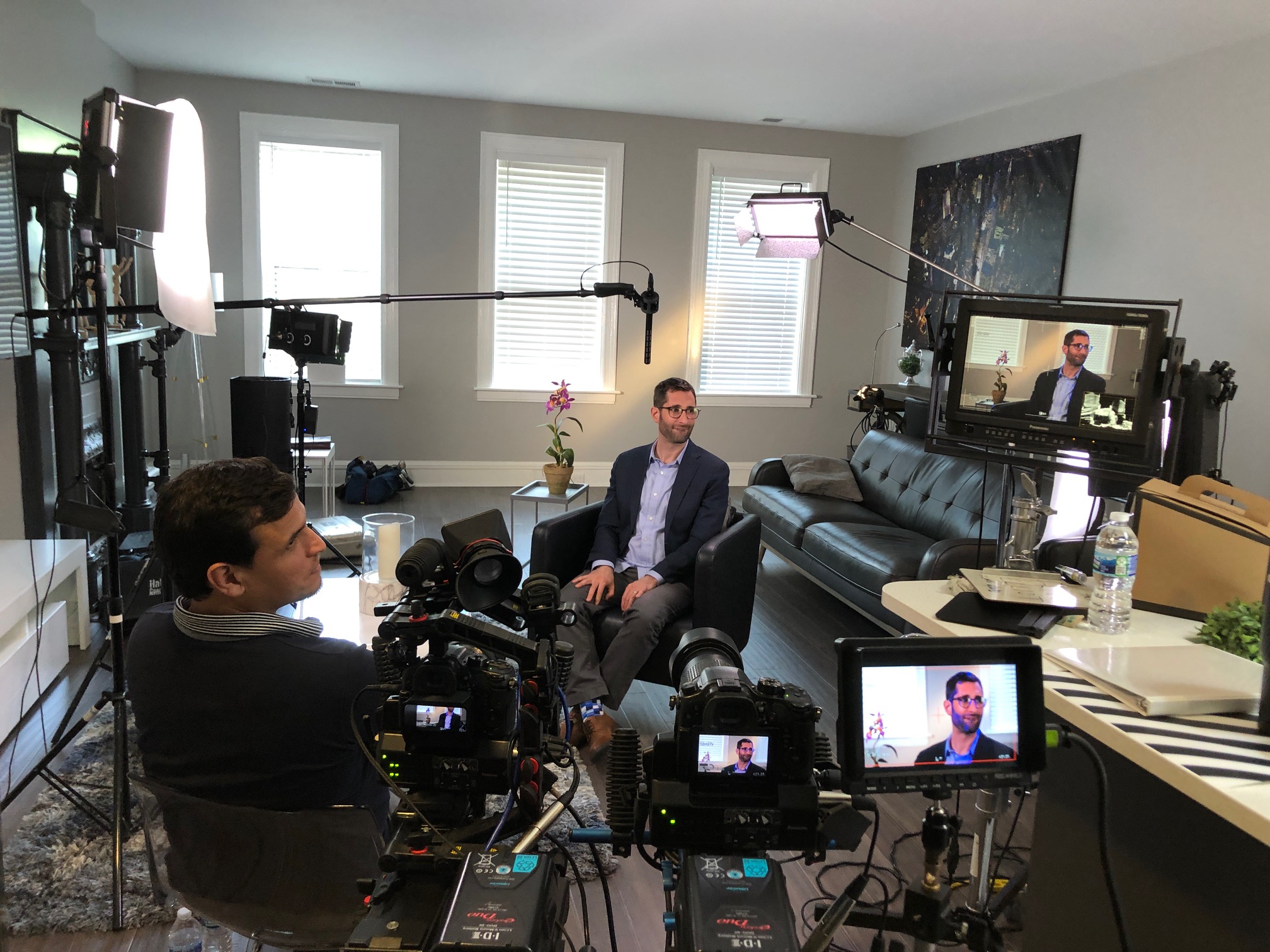
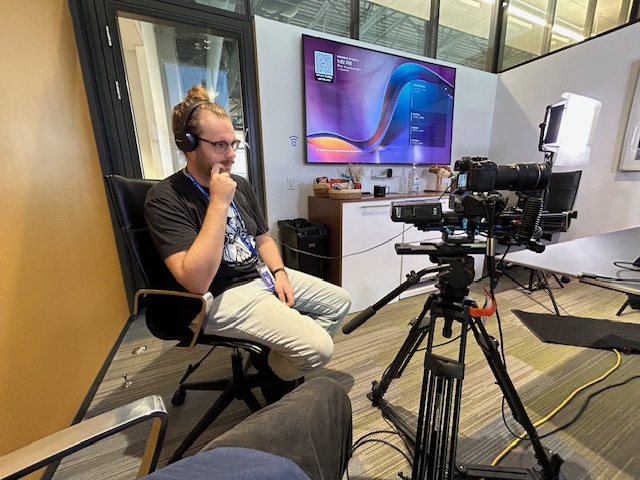
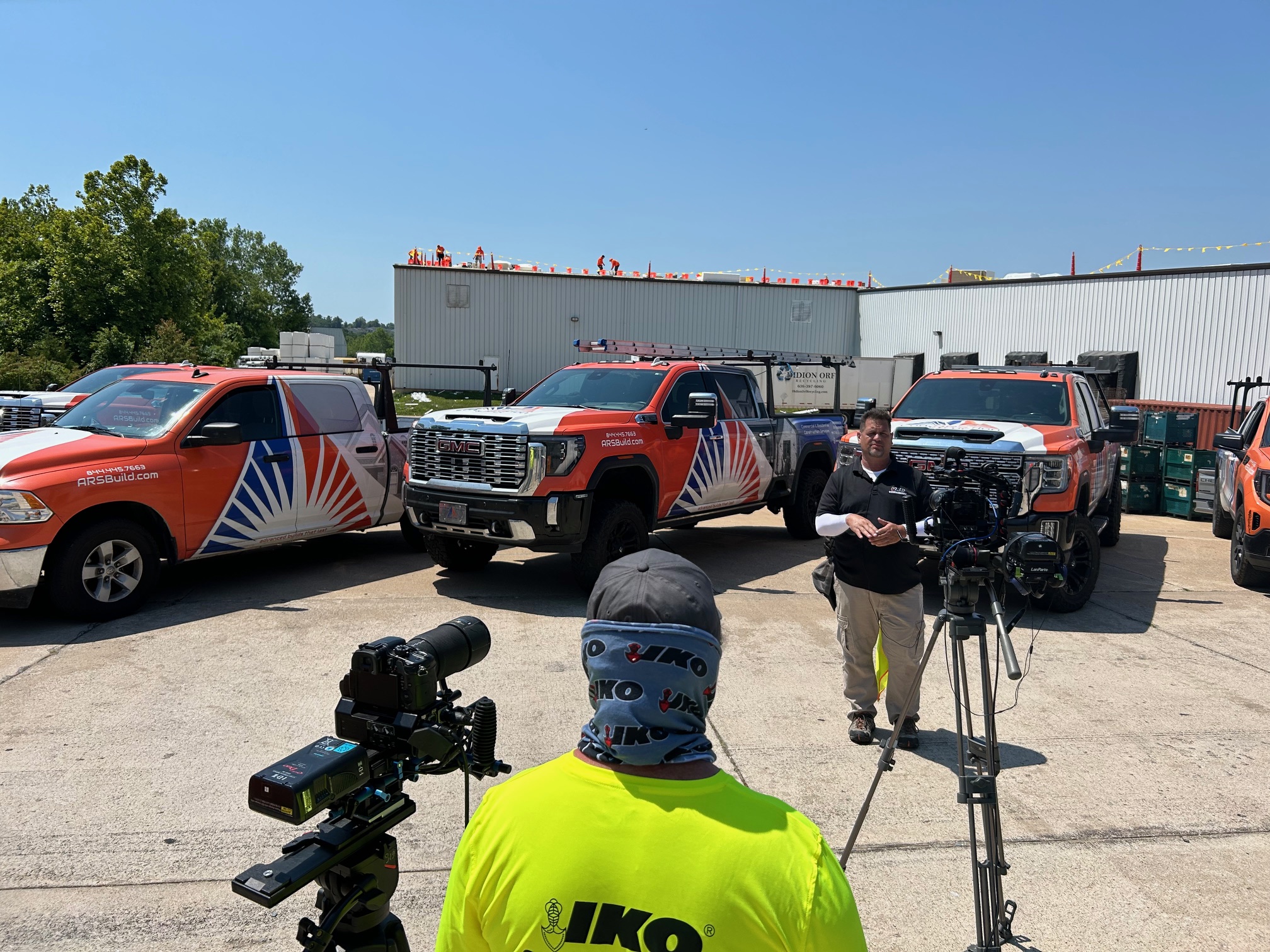
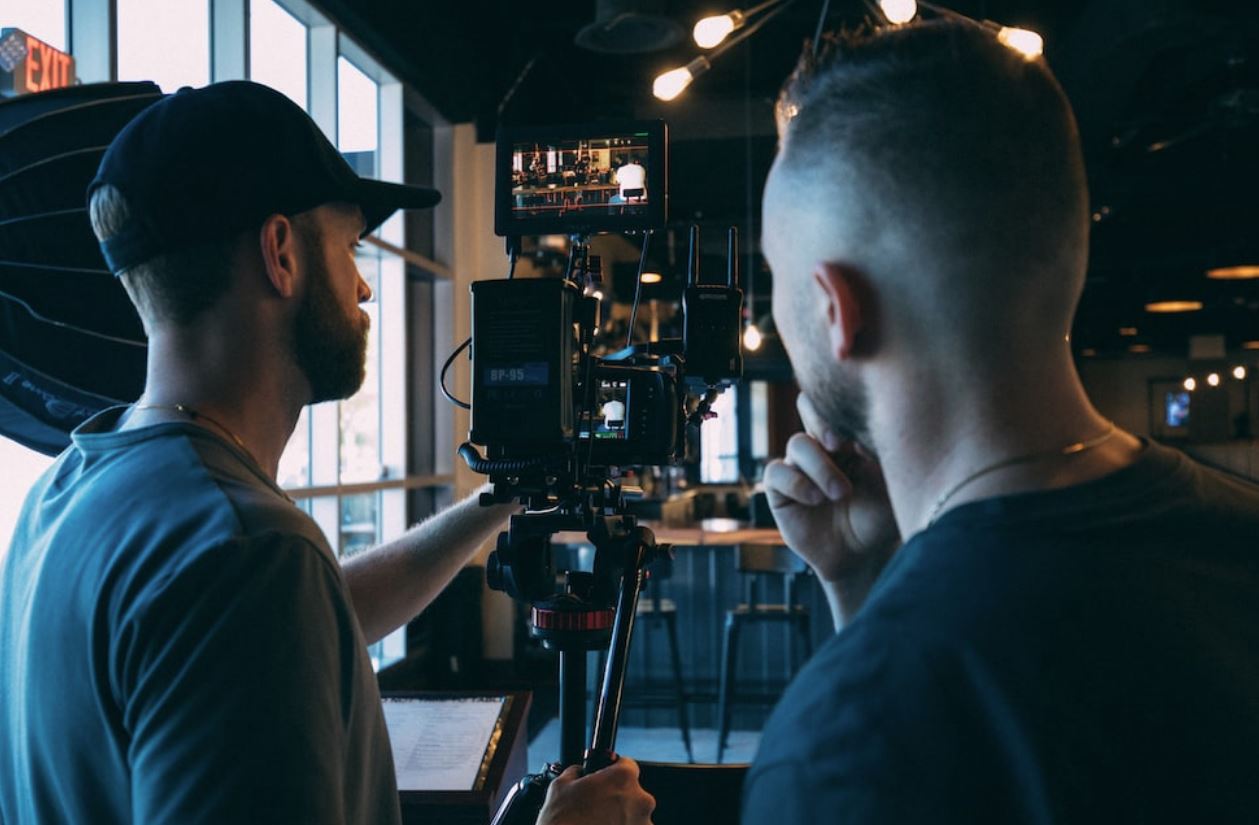
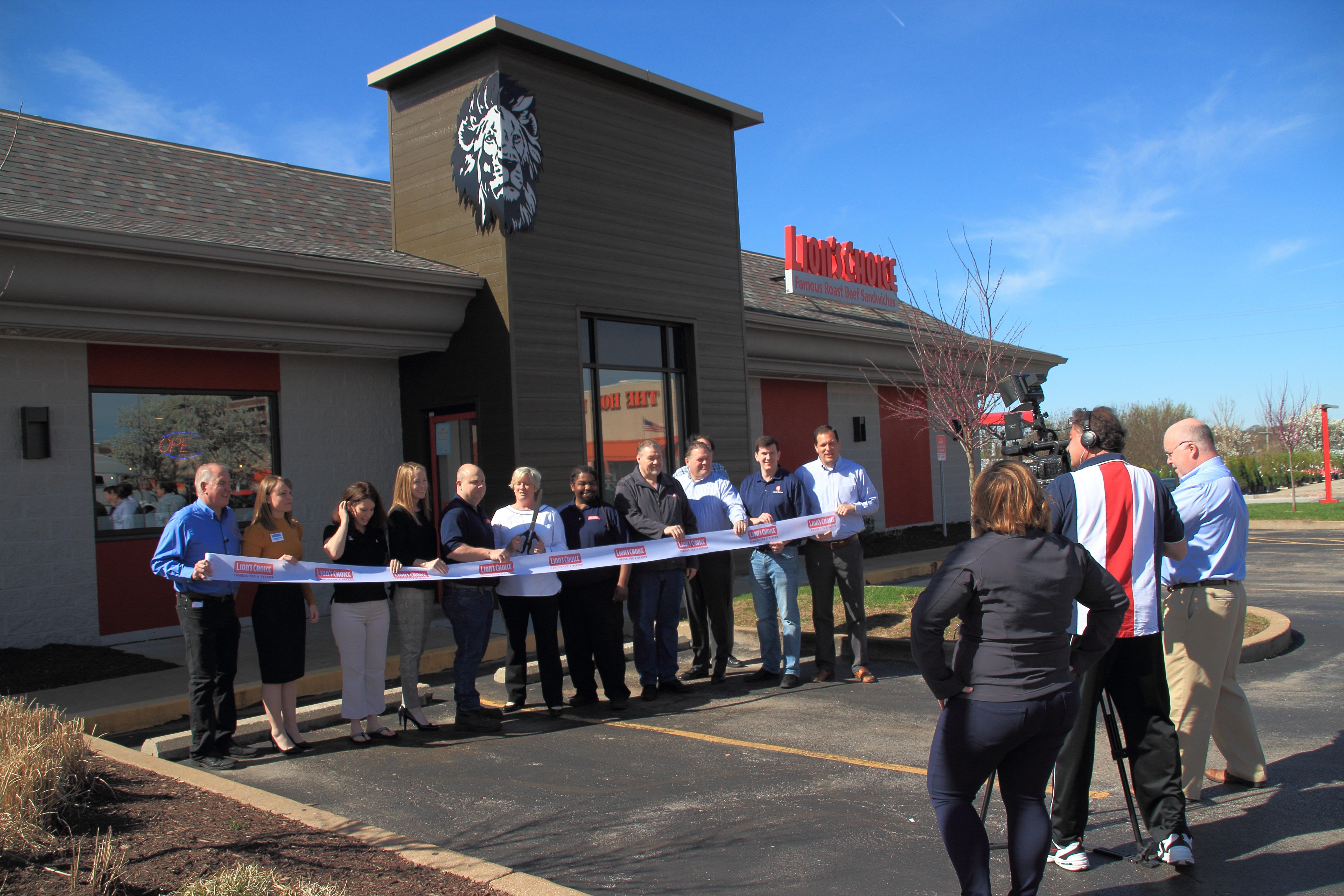
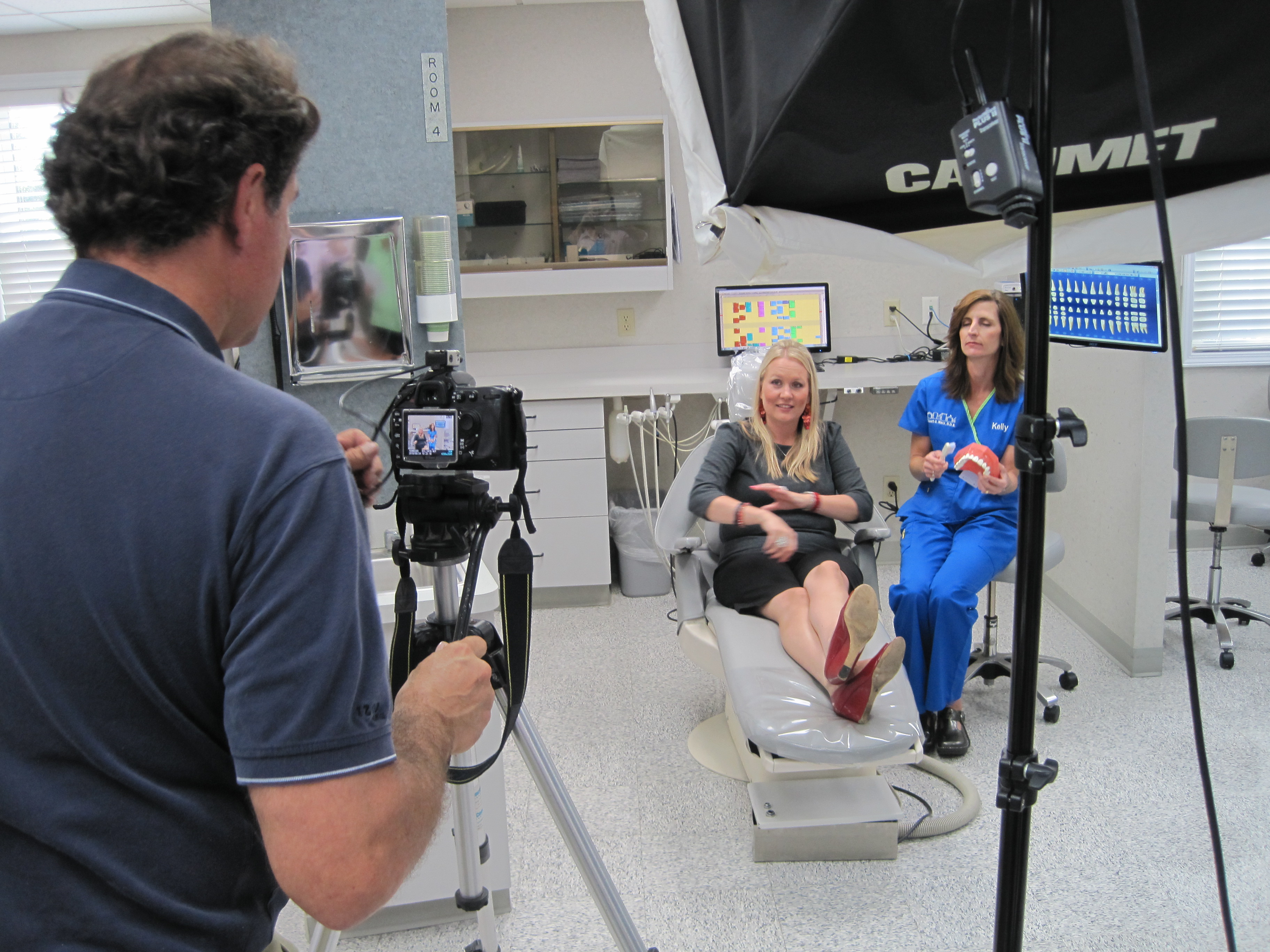
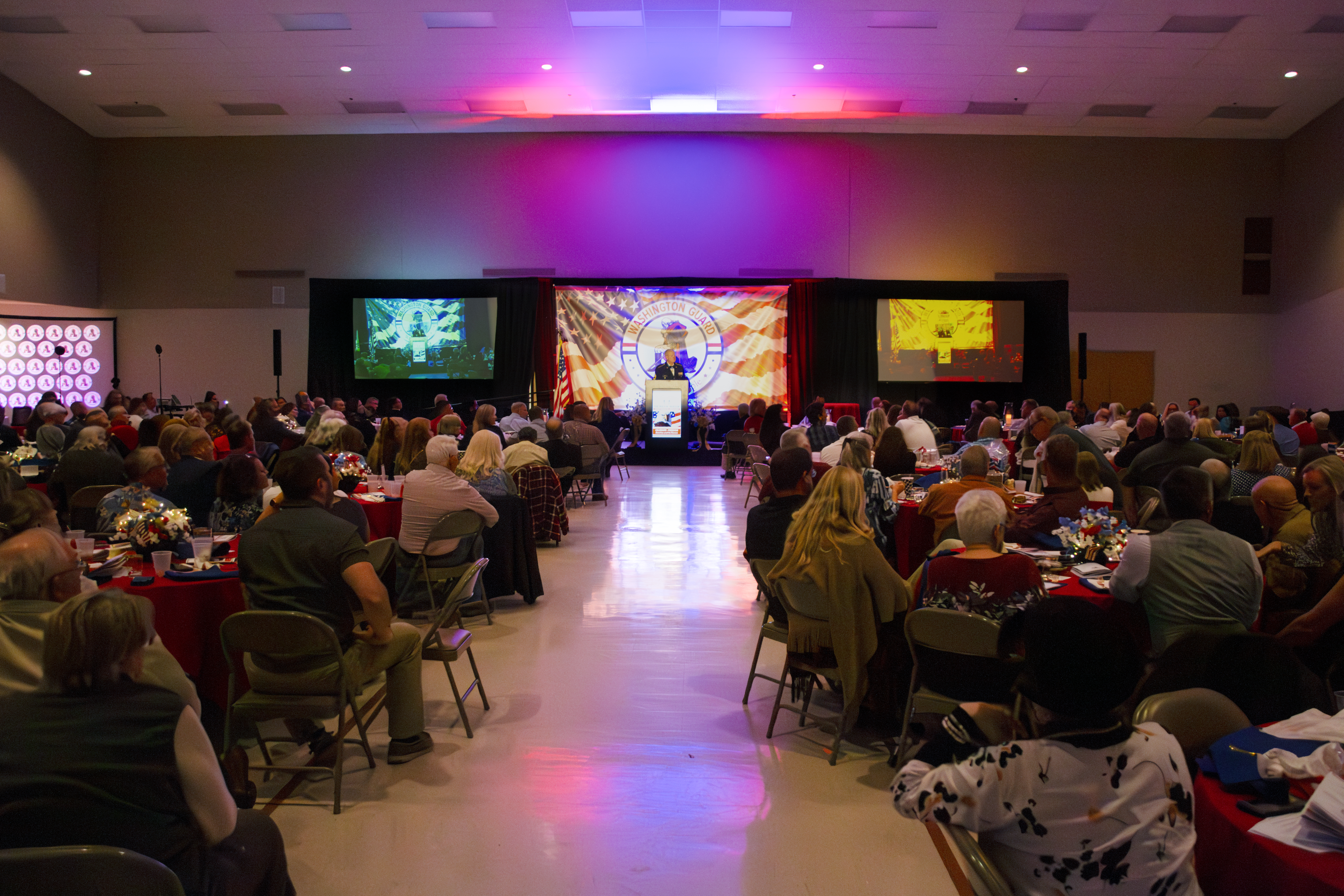
Camera placement matters as much as camera count. Positions need clear sight lines without distracting attendees or blocking exits, and they need to work as the room fills. A venue visit before the event is the cheapest way to avoid problems that are expensive to fix on the day.
Decision 5: Who Owns Audio?
Audio decides whether event video can be published. Echoing rooms, crowd noise, and speakers who wander from the microphone ruin footage that otherwise looks excellent.
Reliable event audio usually layers several sources:
- A direct feed from the venue’s mixing board
- Wireless lavalier or handheld microphones for speakers and interview subjects
- Ambient recording to capture room atmosphere
- Backup recording on separate equipment
Assign audio to a dedicated person rather than leaving it to a camera operator who is also managing framing and focus.
Decision 6: How Fast Do You Need Content?
An event is most talked about while it is happening and for a day or two afterward. Content published inside that window gets the most attention. Plan your delivery in tiers:
- During the event: live streams, or selected images and short clips for social channels
- Within a day or two: a curated photo selection and brief highlight clips for press and partners
- Within a few weeks: the edited recap video, full session recordings, and testimonial pieces
Tell your production partner which tier matters most. Fast delivery requires workflow planning, such as on-site image selection and pre-built graphics templates, and not just fast editing afterward.
Decision 7: Where Will the Interviews Happen?
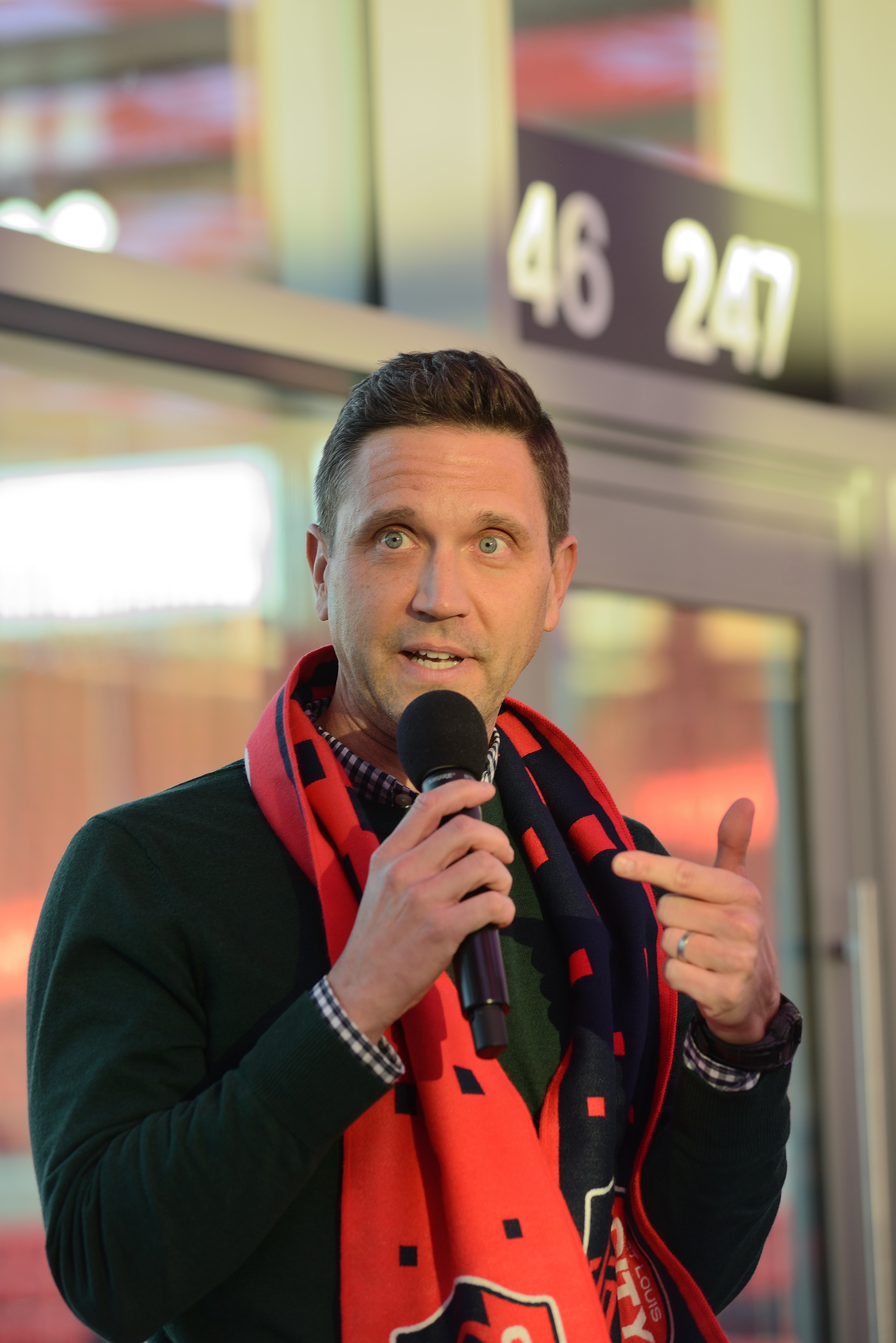
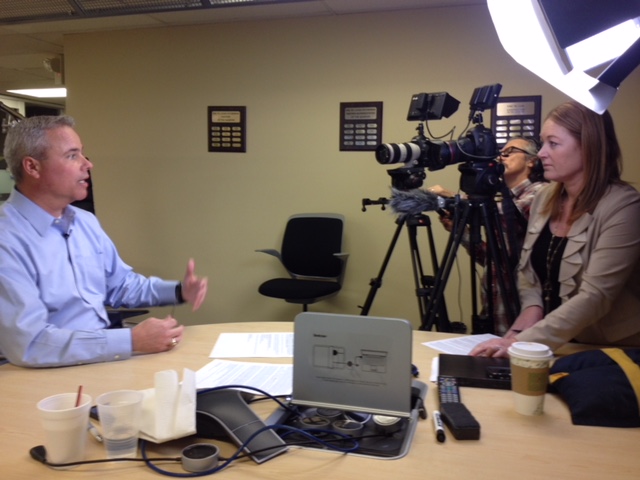
Events gather your best marketing material in one room: executives, customers, partners, speakers, sponsors. A short on-camera conversation with each can become a testimonial, a recruiting clip, or a case-study piece.
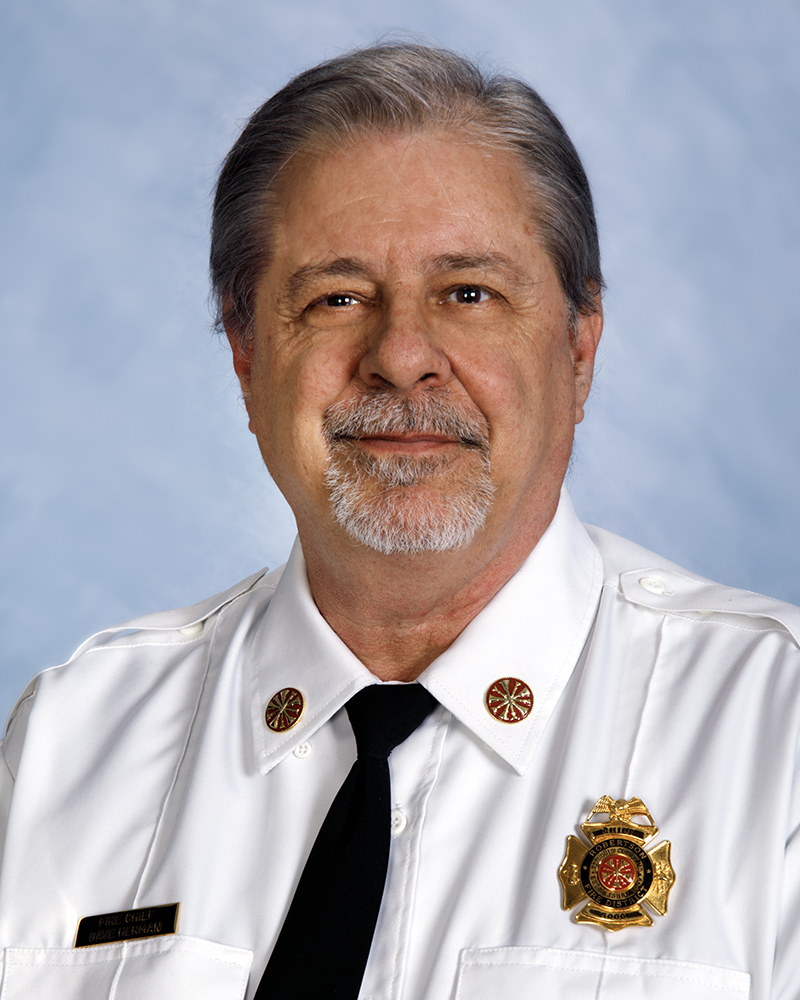
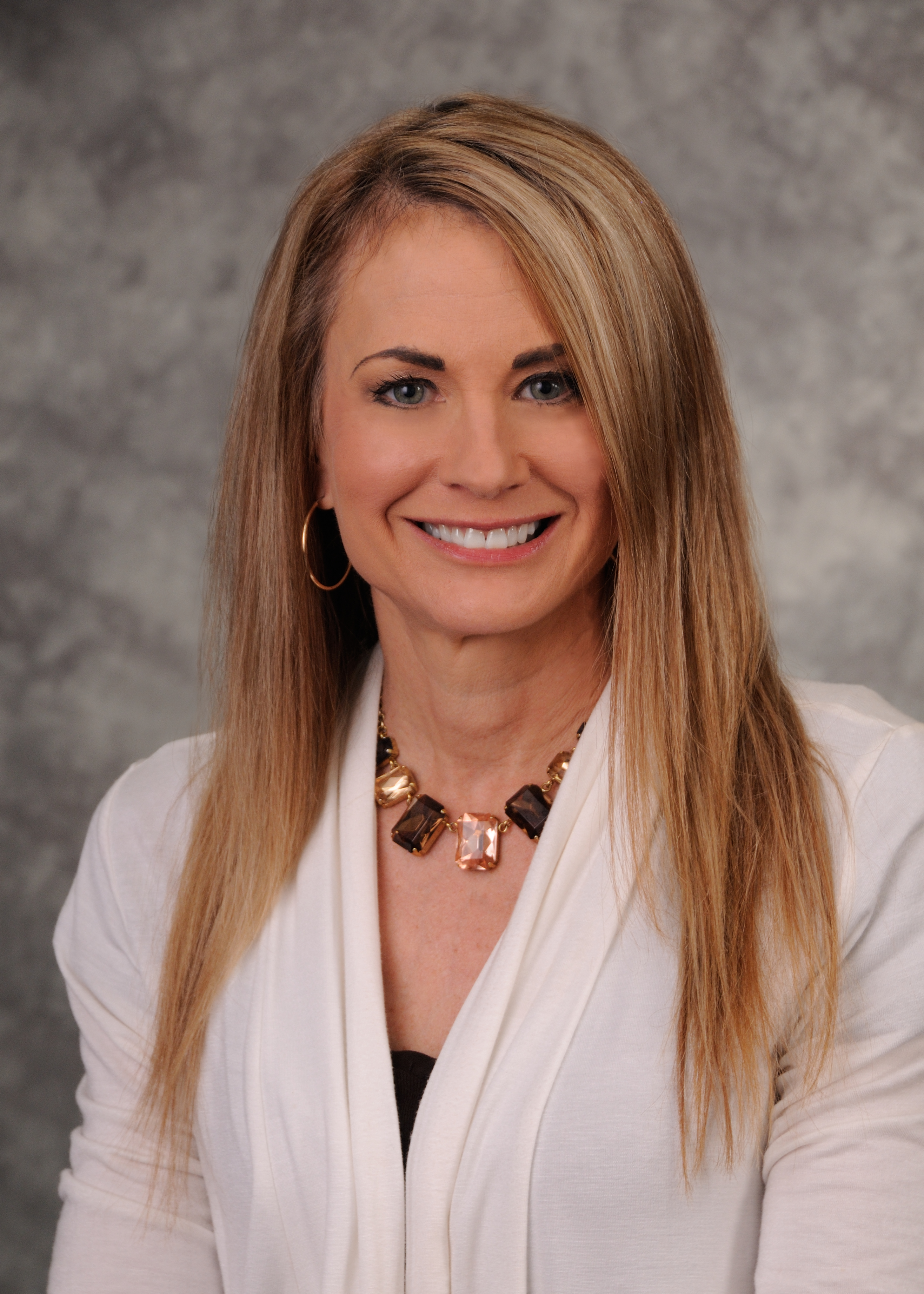
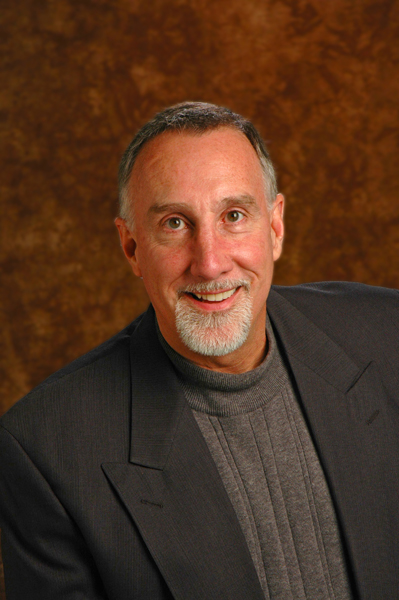
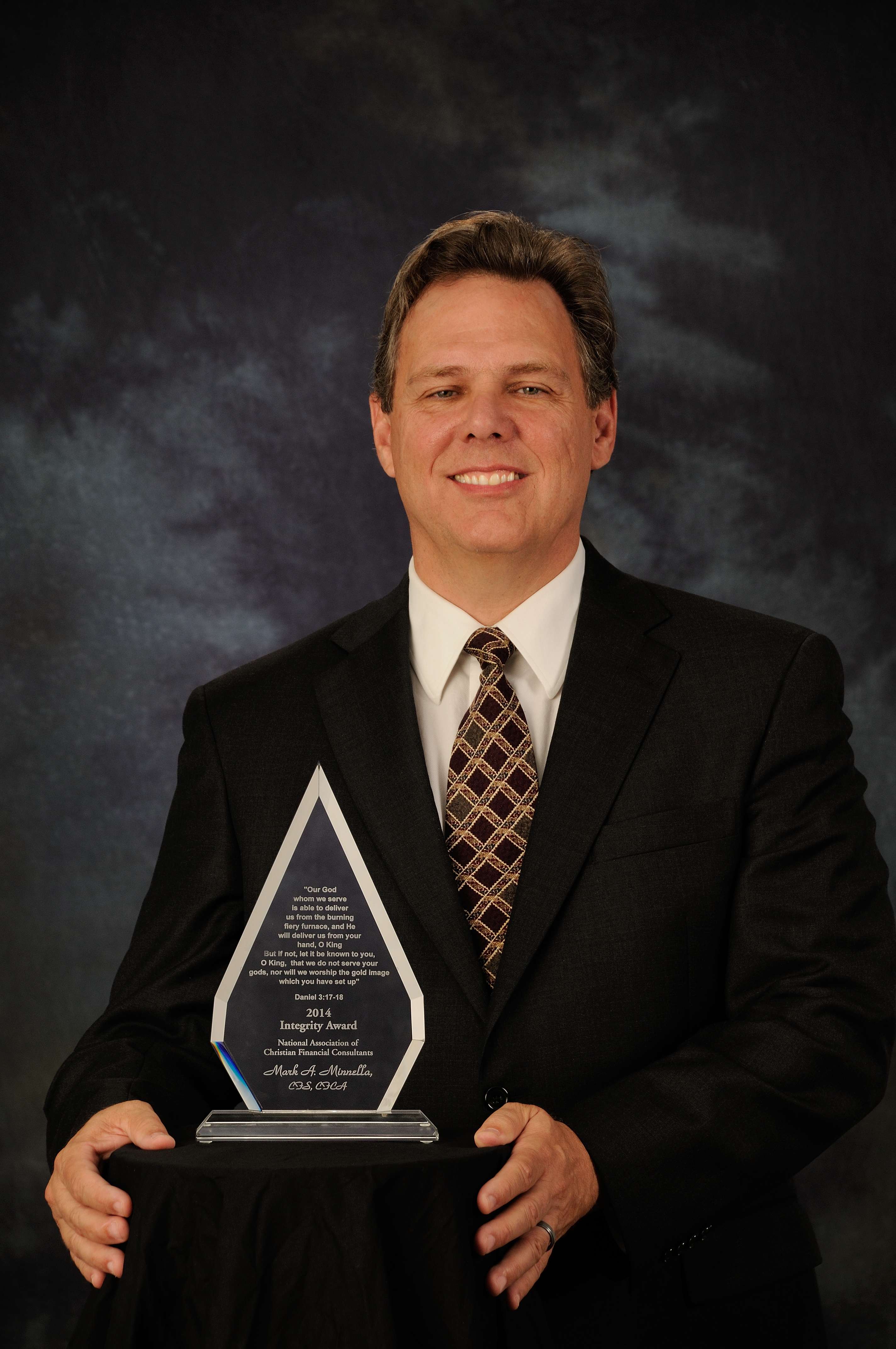
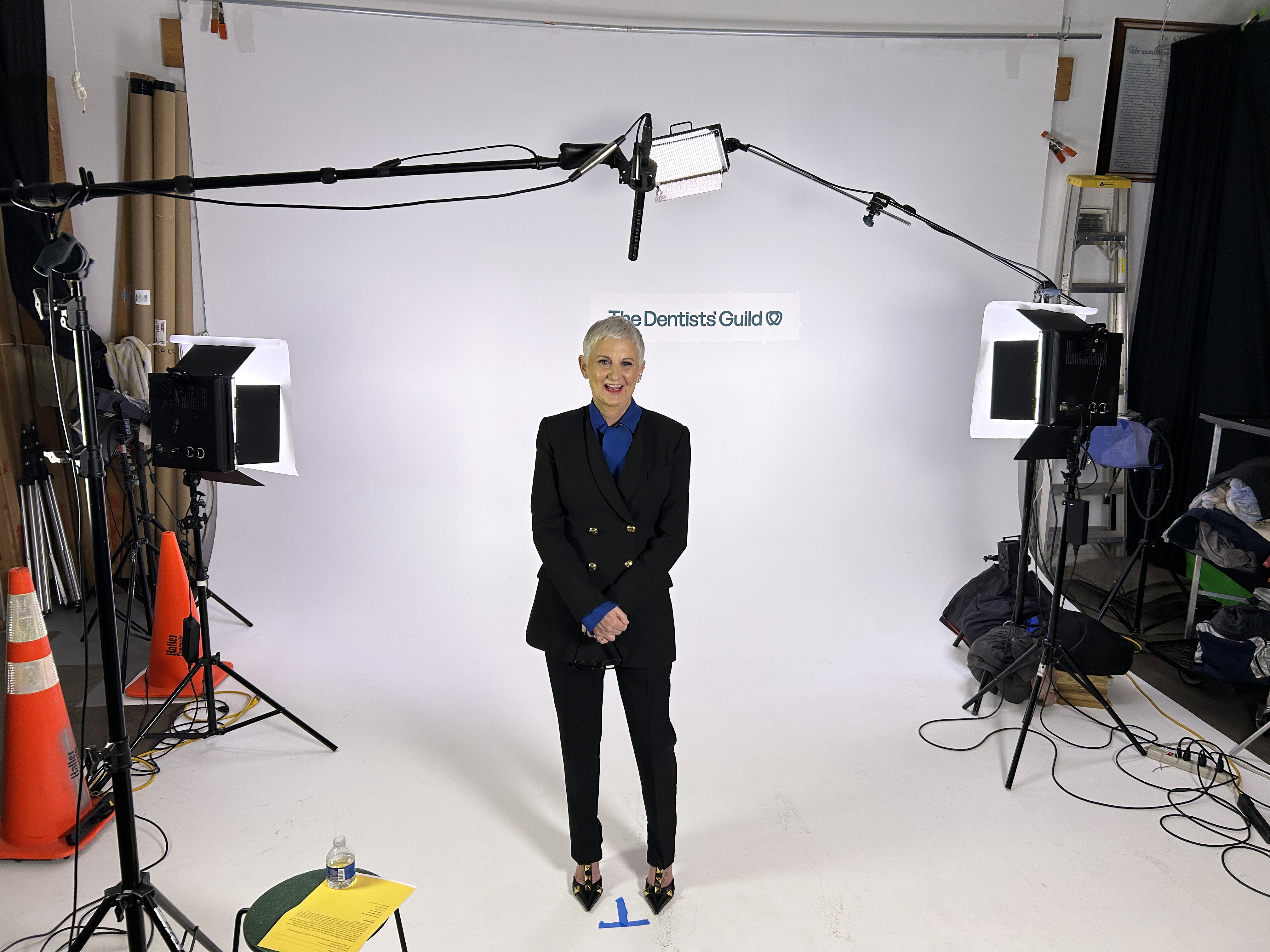
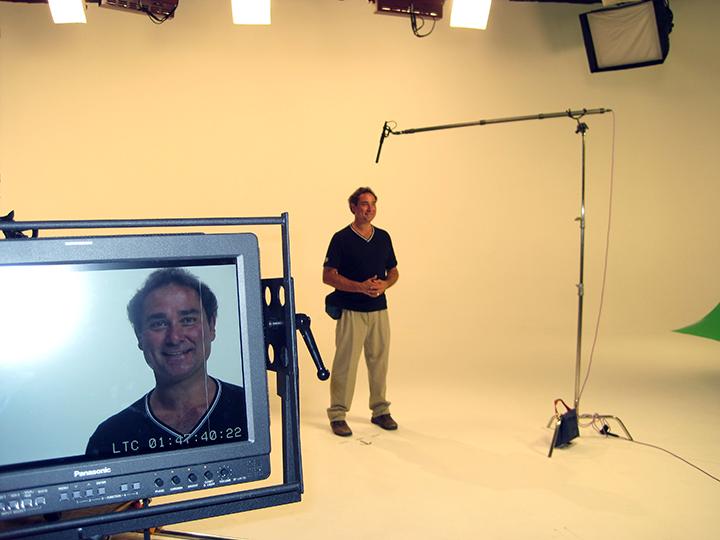
A quiet corner with controlled lighting and a clean backdrop makes the difference between usable interviews and background-noise problems. The same setup can double as a portrait station for executive headshots and speaker photos, which tend to stay useful long after the event.
Don’t Overlook the Supporting Footage
B-roll is footage of setup, signage, registration, networking, product displays, and venue details. It gives editors the material to build a story instead of cutting between speakers. Capturing it takes dedicated attention, which is why it often disappears from coverage plans when budgets get tight.
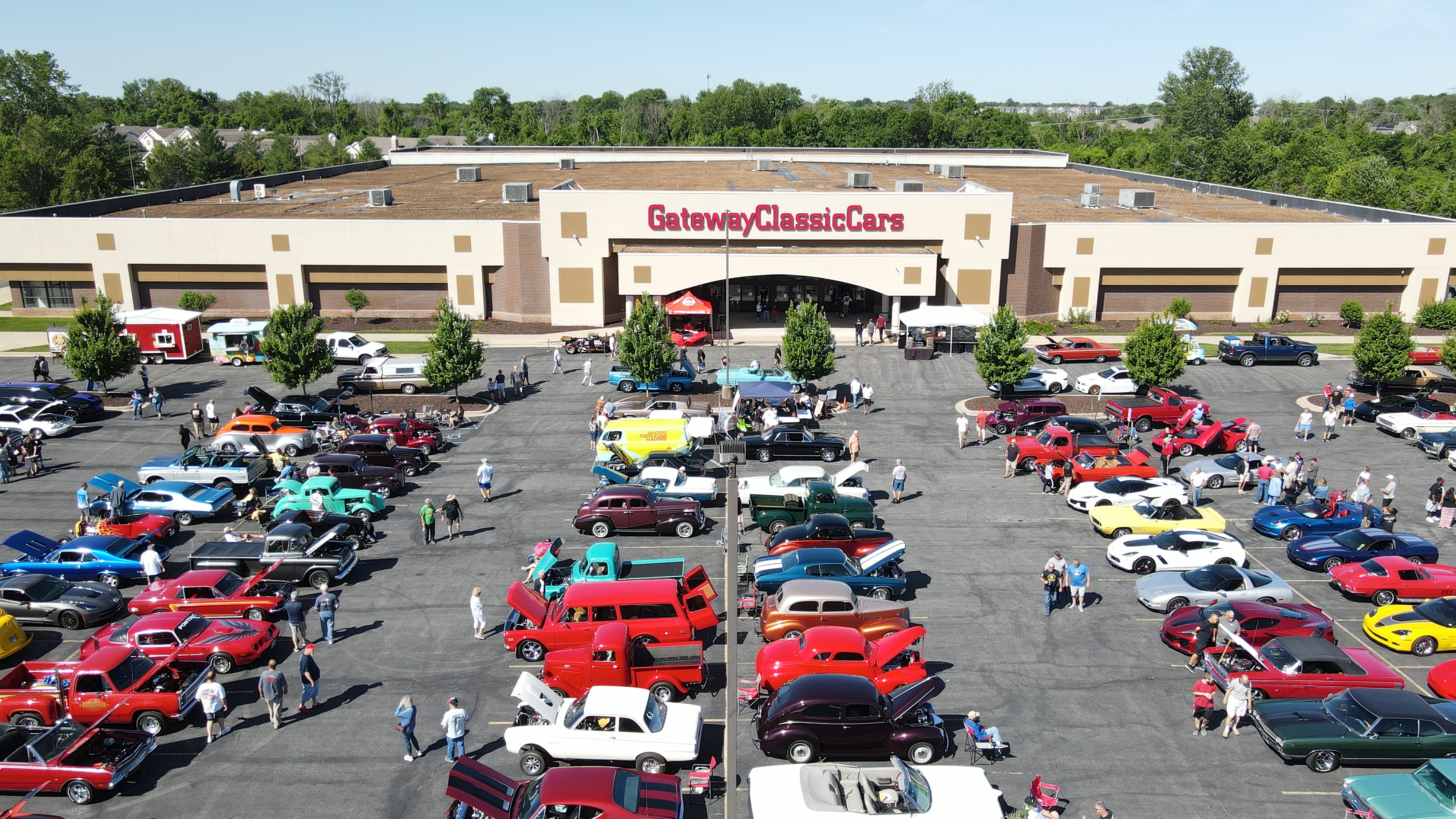
Aerial footage adds scale for outdoor events, campuses, and large venues. Licensed drone operations keep the coverage compliant, and specialized FPV drones can fly indoors to produce dynamic, cinematic movement through lobbies, showrooms, and exhibit halls.
Post-Production Turns Coverage Into Assets
Raw event footage isn’t a finished product. Editing, color correction, audio cleanup, captioning, branded graphics, and platform-specific formatting determine whether your content gets used.
Modern workflows use artificial intelligence for tasks like transcription, caption generation, image organization, and audio cleanup. That speeds up turnaround, while experienced editors still make the decisions about story, pacing, and brand consistency.
Plan to repurpose from the start. One keynote can become a full-session recording, a short promotional clip, quote graphics, and a blog post. One interview can become a testimonial, a social clip, and a recruiting message. Footage from this year’s event can become the centerpiece of next year’s promotion.
Questions to Ask Before You Hire
- Have you covered events similar to ours, and can we see examples?
- How many people will you send, and what is each person responsible for?
- What is your backup plan for equipment or crew problems?
- Can you handle live streaming, multi-camera recording, and photography together?
- How do you capture and protect audio?
- What are your turnaround times for each type of deliverable?
- Can you help us repurpose the content after the event?
Specific, confident answers usually mean the team has done this before.
About St Louis Business Portraits
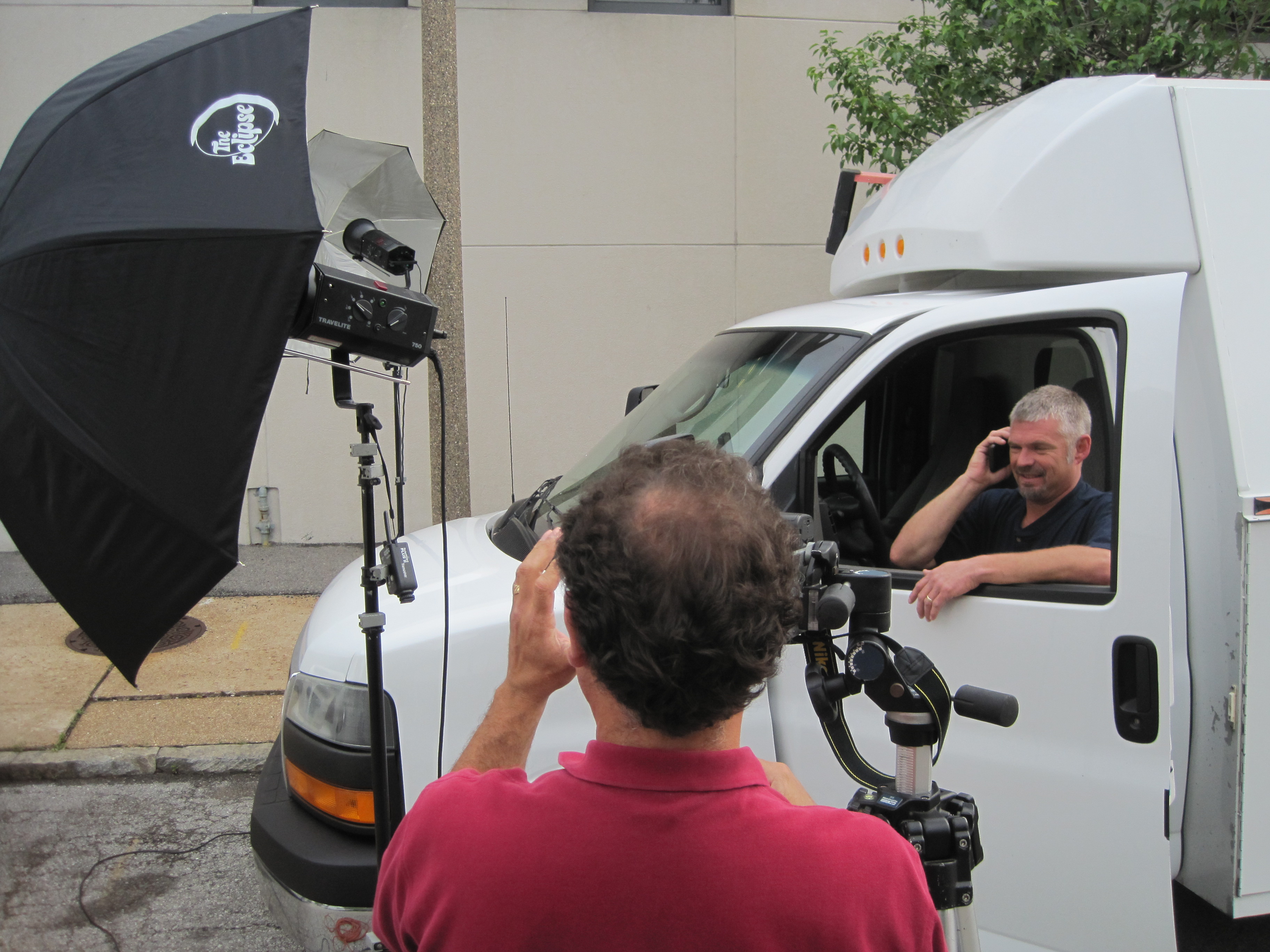
St Louis Business Portraits is a full-service professional commercial photography and video production company. Since 1982, we have worked with many businesses, marketing firms, and creative agencies in the St. Louis area on their marketing photography and video. That experience, the right equipment, and a creative crew with real service experience are what make image acquisition successful, especially at live events where there is no second take.
We offer full-service studio and location video and photography, plus editing, post-production, and licensed drone services. We can customize your productions for diverse media requirements. Repurposing your photography and video branding to gain more traction is another specialty. We are well-versed in all file types, styles of media, and accompanying software, and we use the latest in artificial intelligence across our media services.
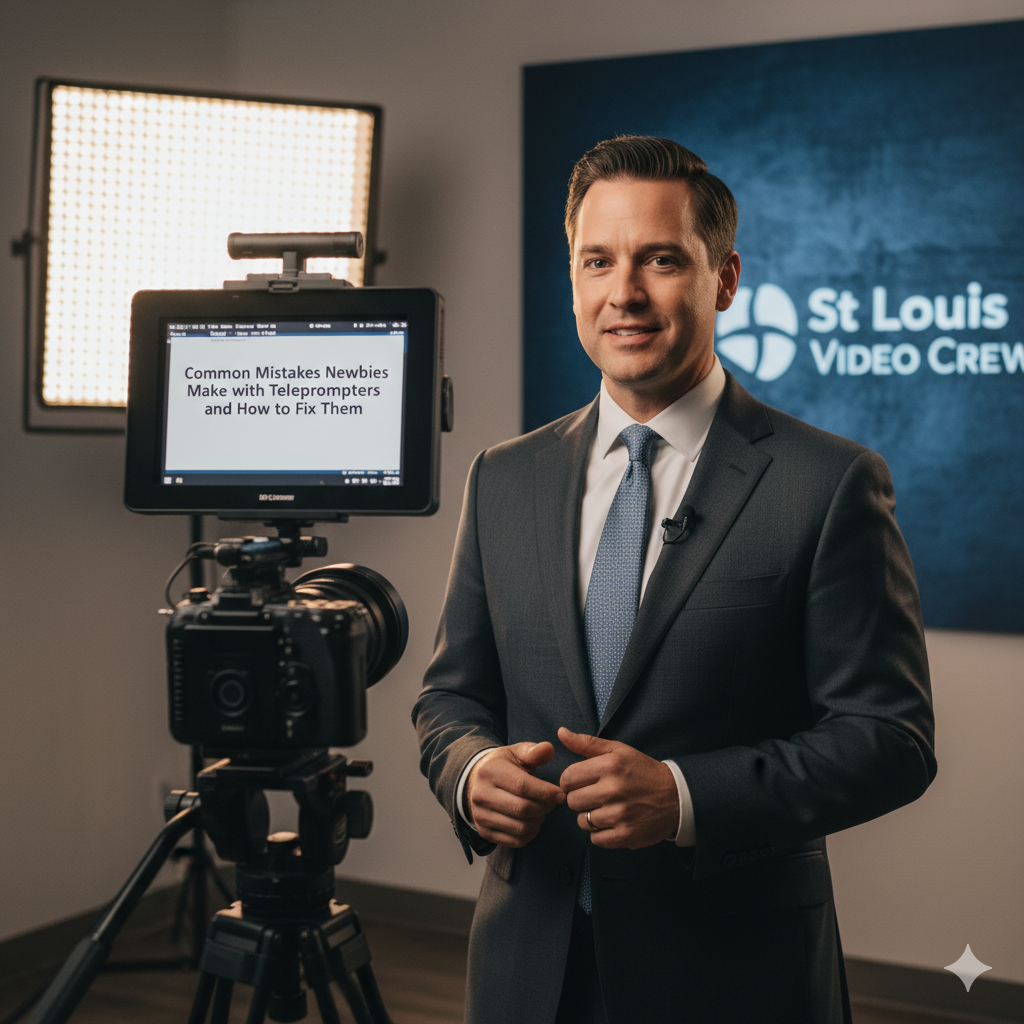
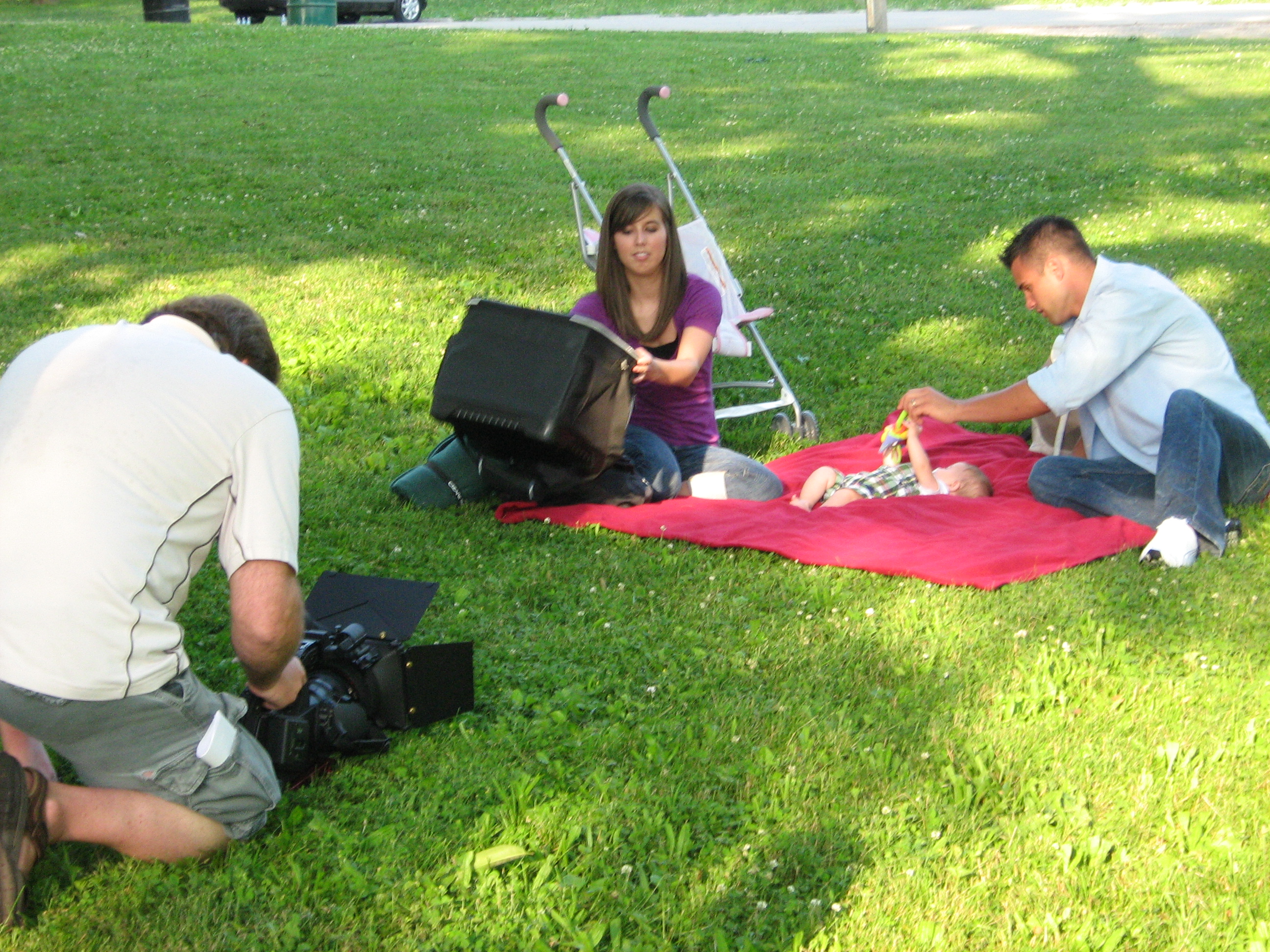
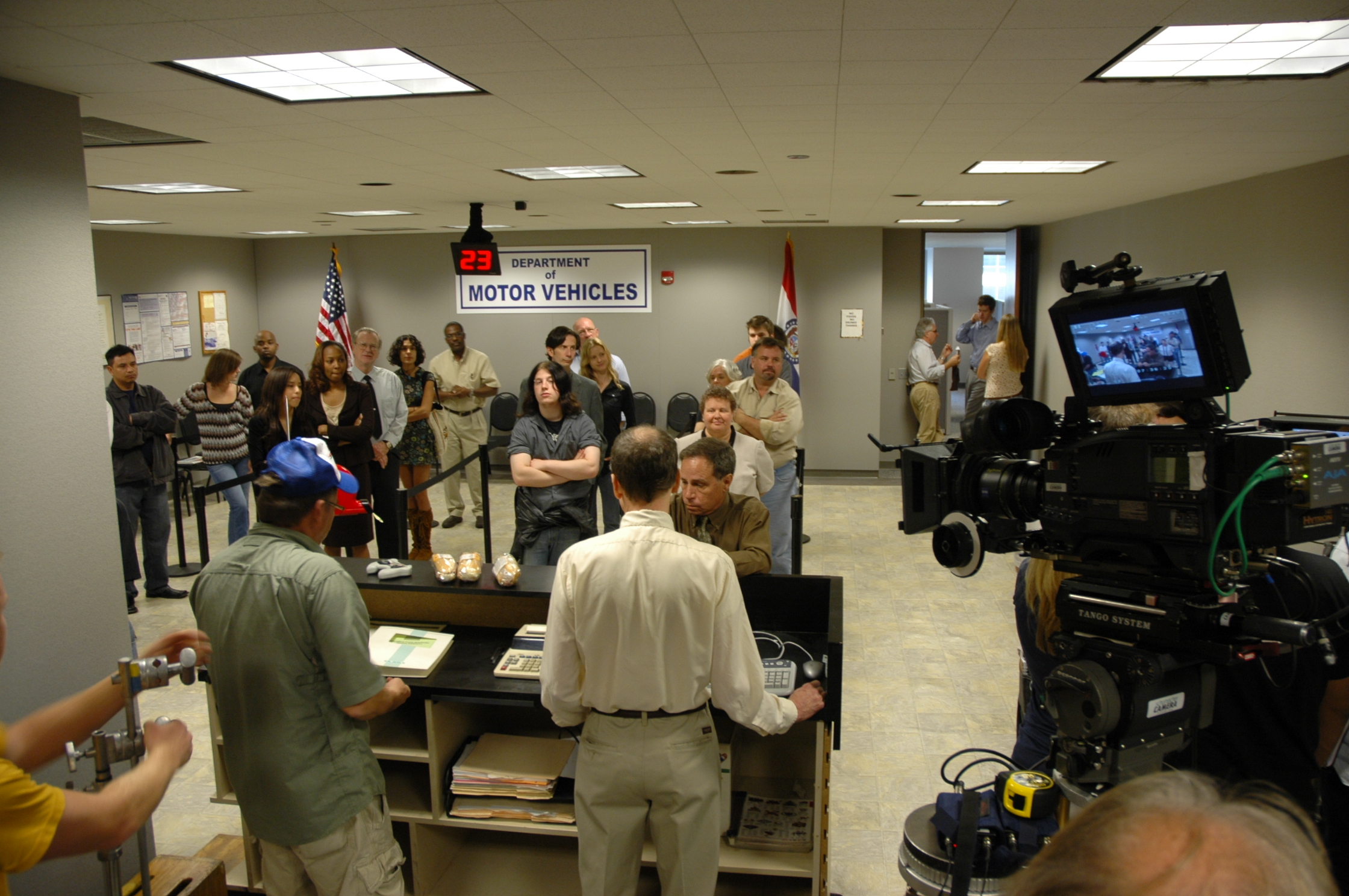
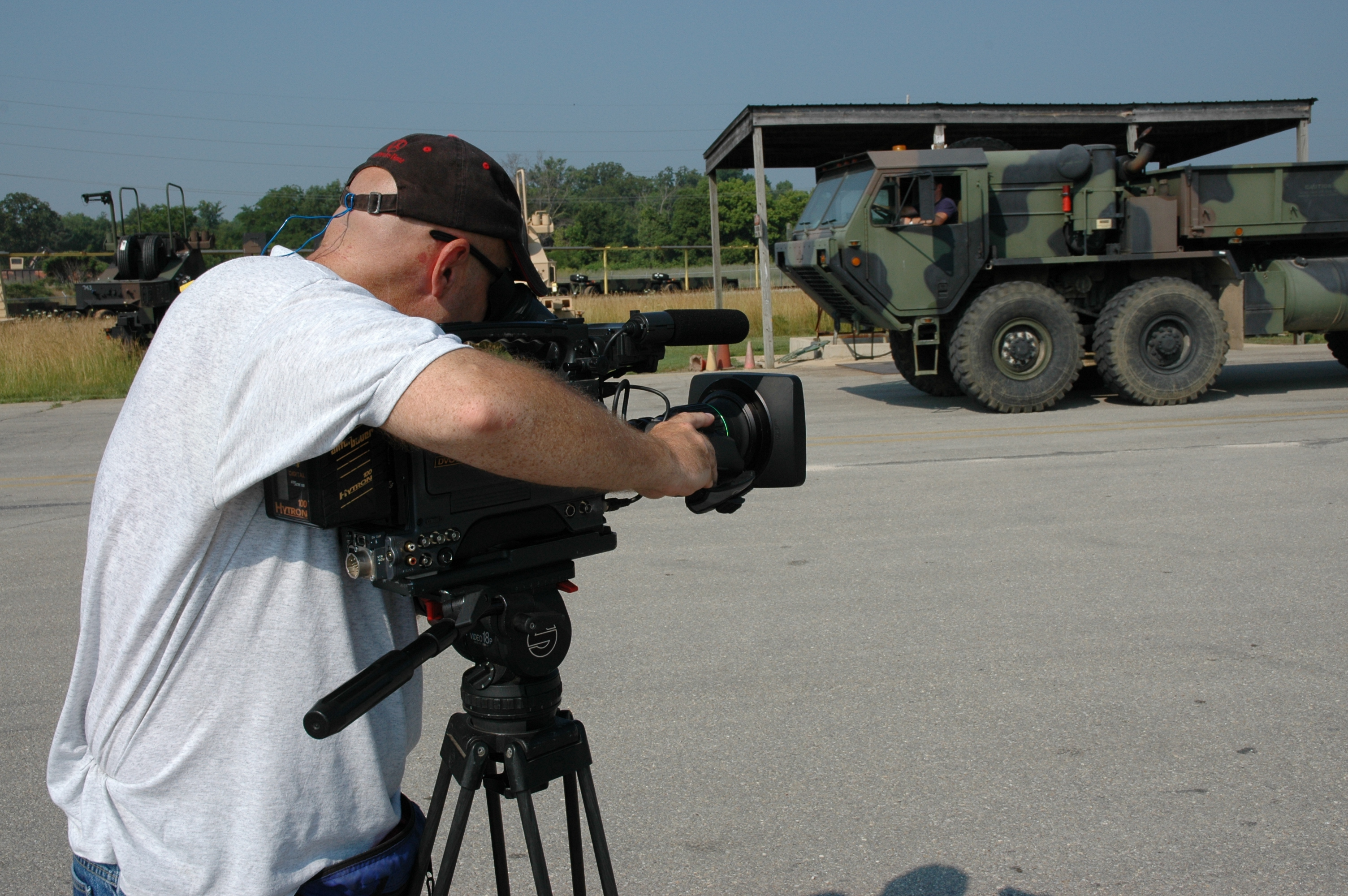
We support every aspect of your production:
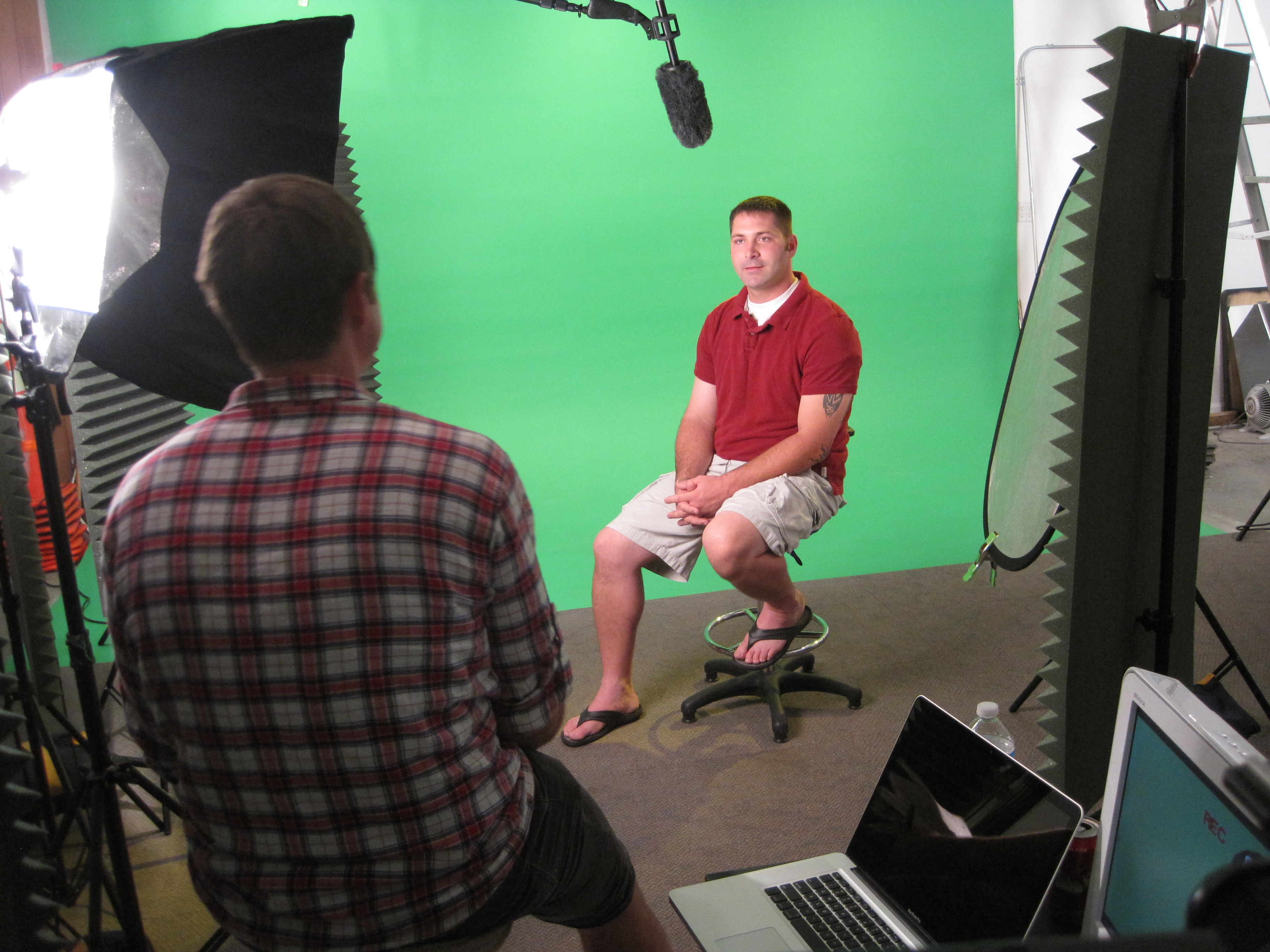
- Private studio: Our studio lighting and visual setup is perfect for small productions and interview scenes. The space is large enough to incorporate props and round out your set, and we can set up a private, custom interview studio for your project.
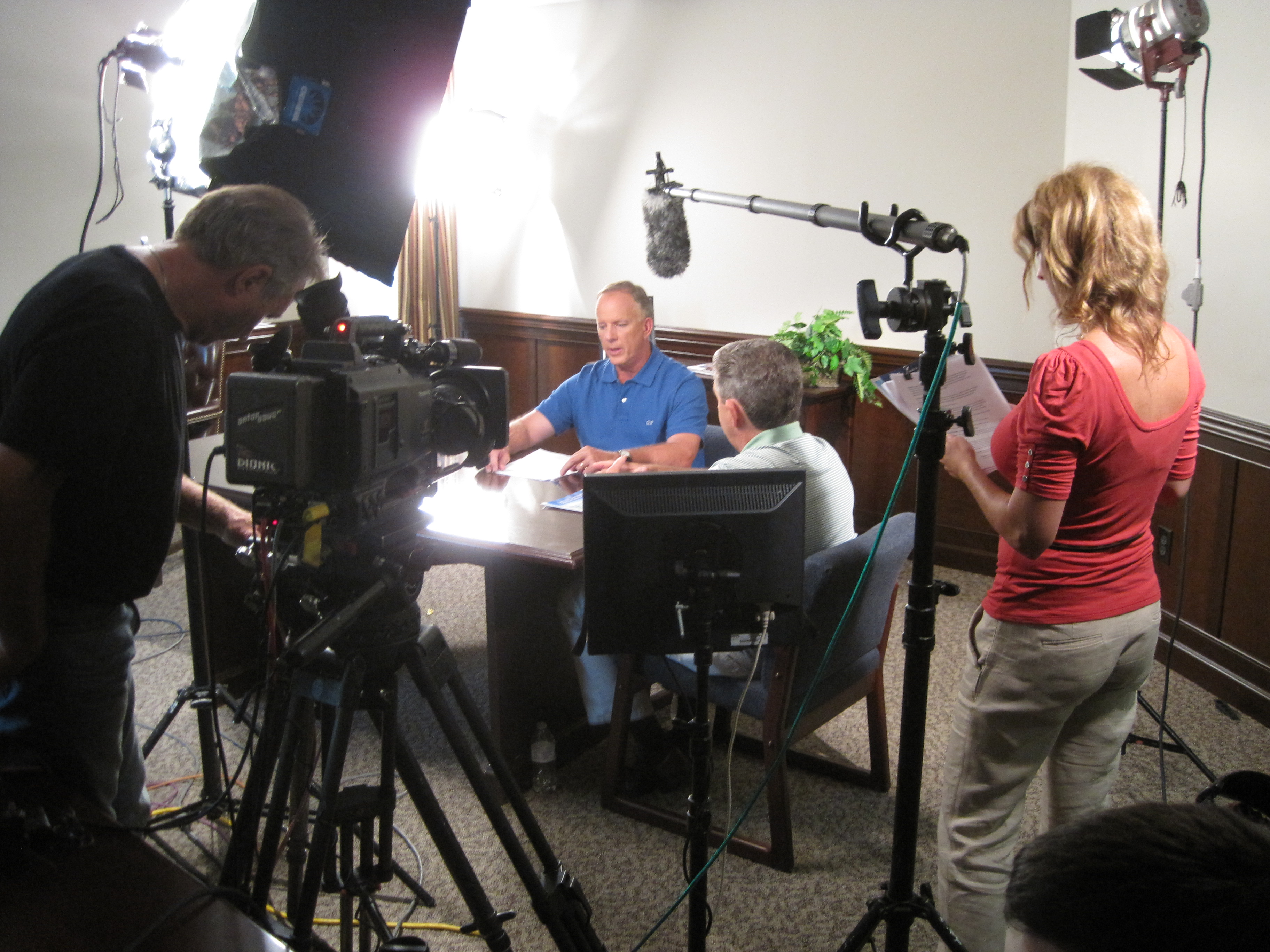
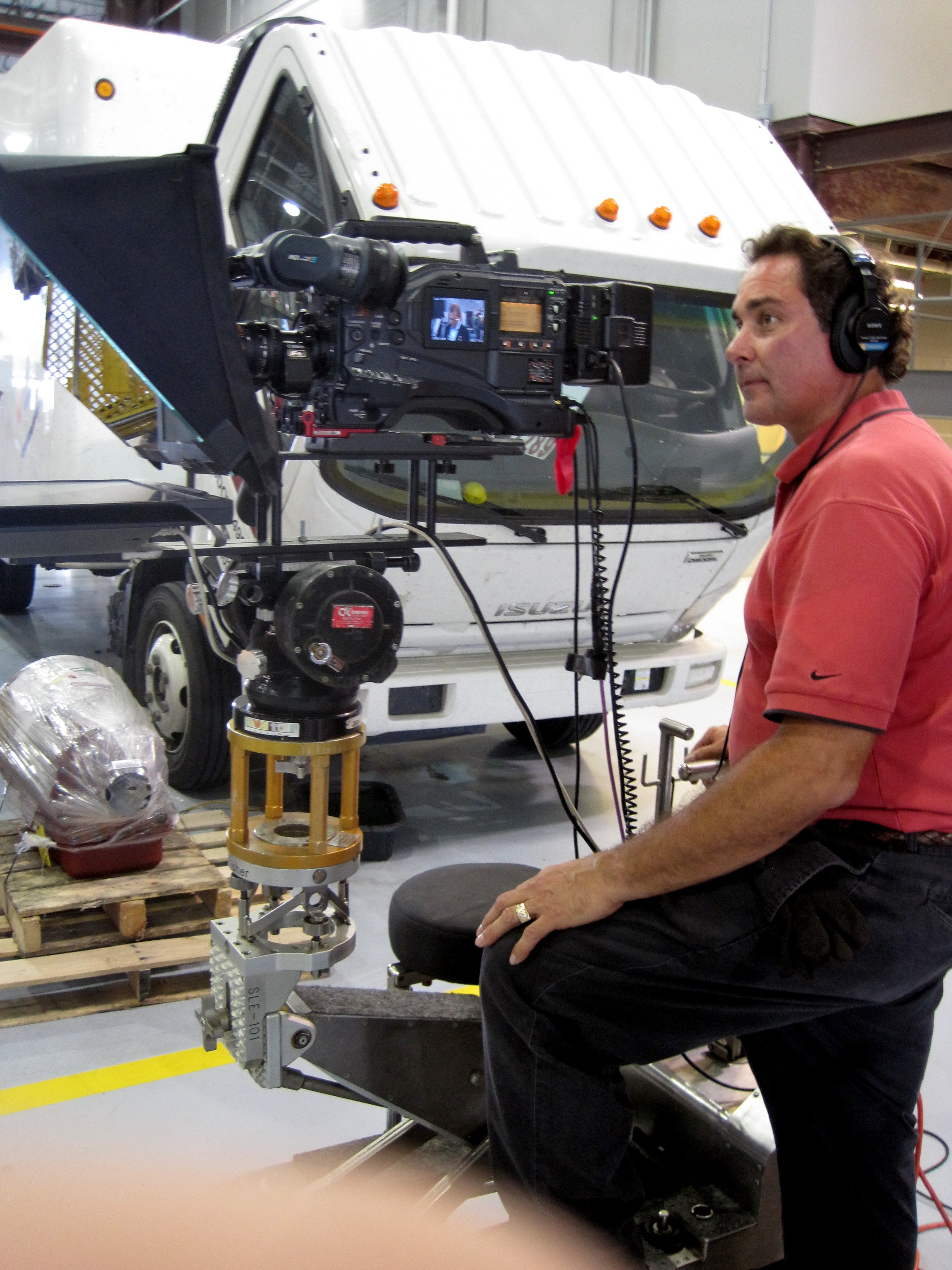
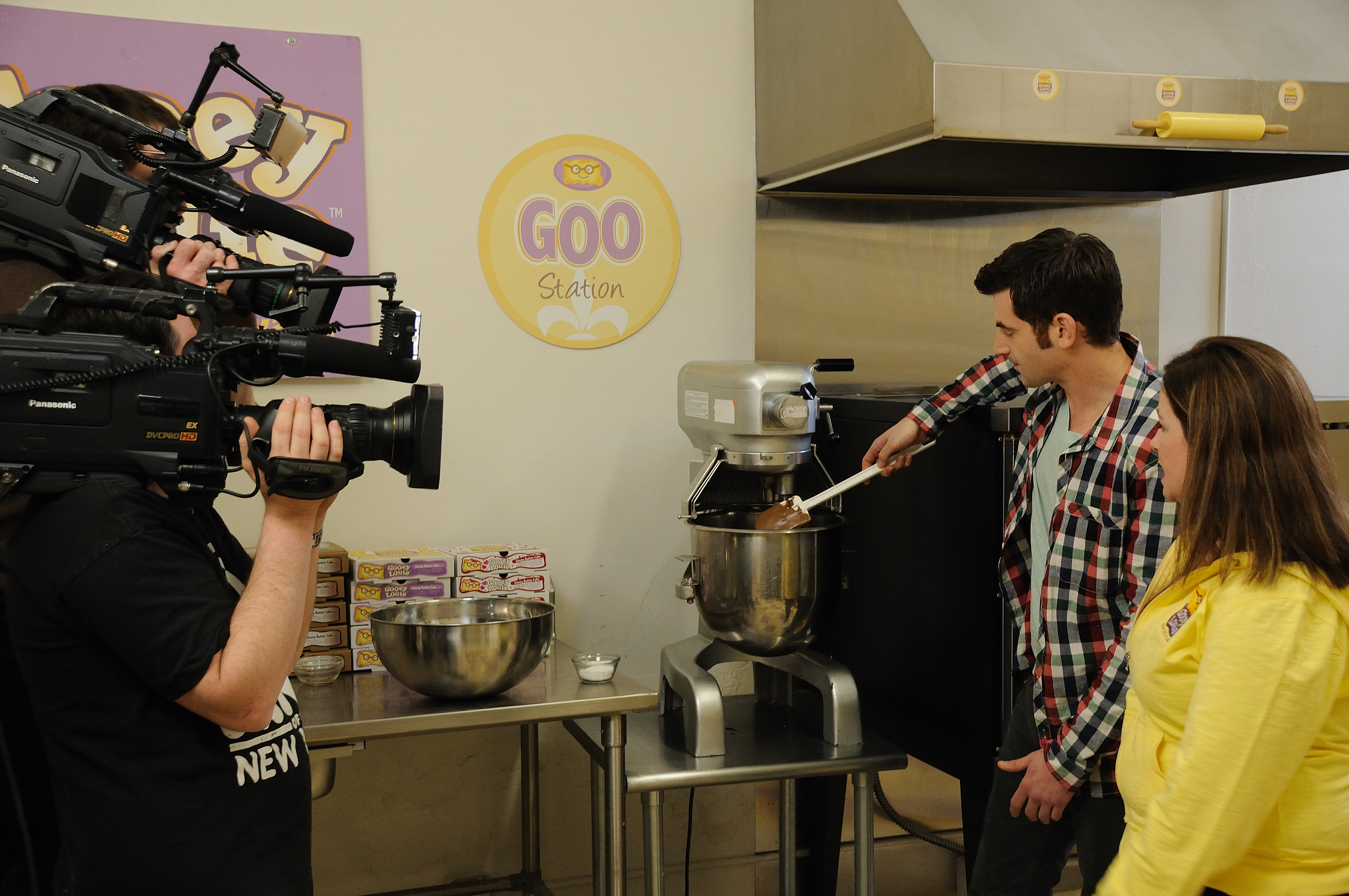
- Crew and equipment: We supply professional sound and camera operators along with the right equipment, so your next video production is seamless and successful.
- Location scouting and b-roll: Our specialists find the right settings and capture the supporting footage that gives your final video depth.
- Specialized drone services: In addition to licensed aerial coverage, we can fly specialized FPV drones indoors. Our other drone services include infrared thermal imaging, orthomosaics, and LiDAR.
Planning a conference, product launch, gala, or corporate celebration? Call 314-913-5626 or visit saintlouisbusinessportraits.com to talk through your goals with Mike Haller. We’ll build a coverage plan that captures the moment and keeps working for your brand long after the event ends. Our studio is available by appointment at 4501 Mattis Road, St. Louis, MO 63128.
314-913-5626
stlouisphotos@gmail.com
Mike Haller
Studio by appointment – 4501 Mattis Road St Louis, MO 63128

